Sixteen Gray Whales Found Dead Along Washington Coast Amid Concerns Over Food Shortages
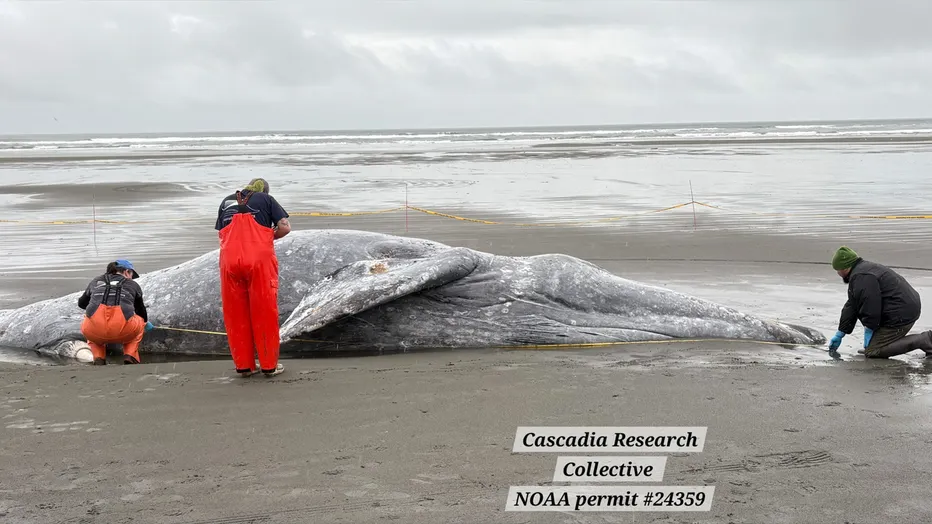
Sixteen Gray Whales Found Dead Along Washington Coast Amid Concerns Over Food Shortages
Wildlife researchers along the U.S. West Coast are raising alarms after an unusual increase in gray whale strandings this spring. As of April 28, 16 dead gray whales have been reported, with 13 of these cases occurring in April alone, highlighting a worrying spike compared to previous years.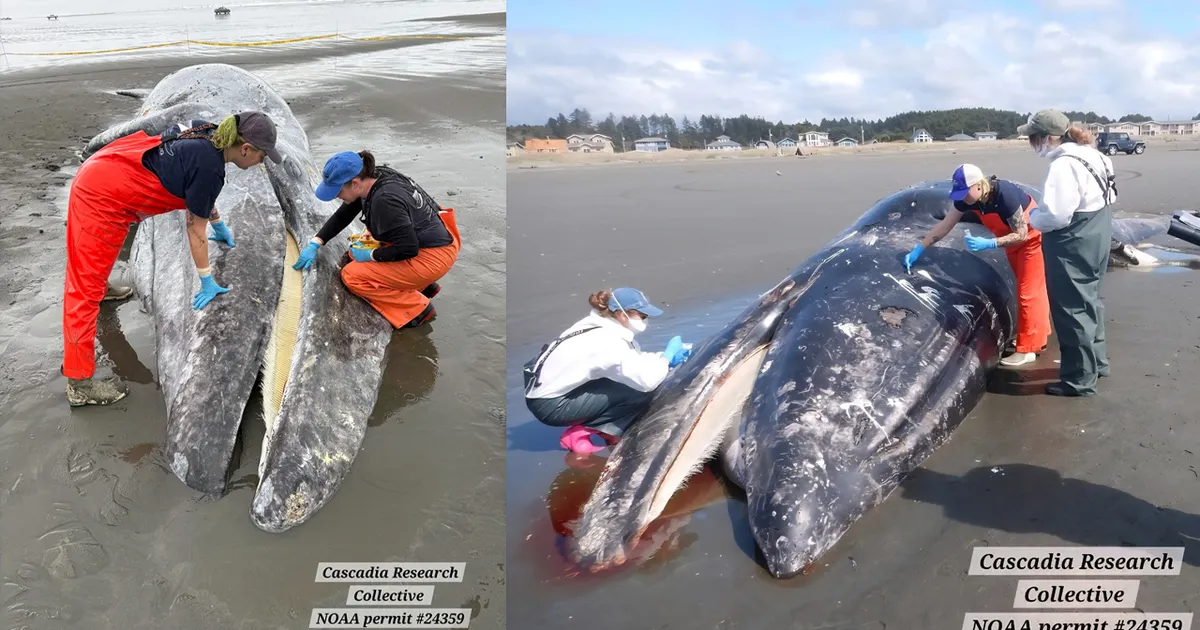
Experts suggest that food shortages may be a key factor contributing to the deaths, potentially linked to shifting ocean conditions in Arctic feeding grounds. Gray whales rely heavily on benthic prey — tiny organisms found in the sea floor sediments of their summer feeding areas — and changes in sea temperature, currents, and ecosystem balance may be affecting prey availability.
“Reduced prey availability can have cascading effects on whale health, survival, and even reproduction,” said a marine ecologist monitoring the strandings. “When whales are unable to access sufficient food, their body condition deteriorates, making them more vulnerable to disease, environmental stressors, and other threats.”
Investigations are ongoing, with scientists closely monitoring whether this pattern continues through the remainder of the season. Tissue and necropsy analyses are underway to determine contributing causes and to assess whether additional environmental factors, such as pollution or harmful algal blooms, may have played a role.
The recent strandings underscore broader concerns about how rapidly changing marine ecosystems are impacting large whale populations. Climate-driven shifts in ocean temperature and productivity, combined with human pressures such as shipping and fishing, may be creating increasingly challenging conditions for these migratory giants.
Conservationists emphasize the importance of continued monitoring and research to better understand the factors behind these deaths, as well as to develop strategies to protect gray whales and other vulnerable marine species in a rapidly changing ocean environment.