HE UNTHINKABLE STRUGGLE: HOW Pope Leo XIV FACED A PRIVATE HEALTH CRISIS AND SHARED HIS MOST VULNERABLE MOMENT WITH THE WORLD
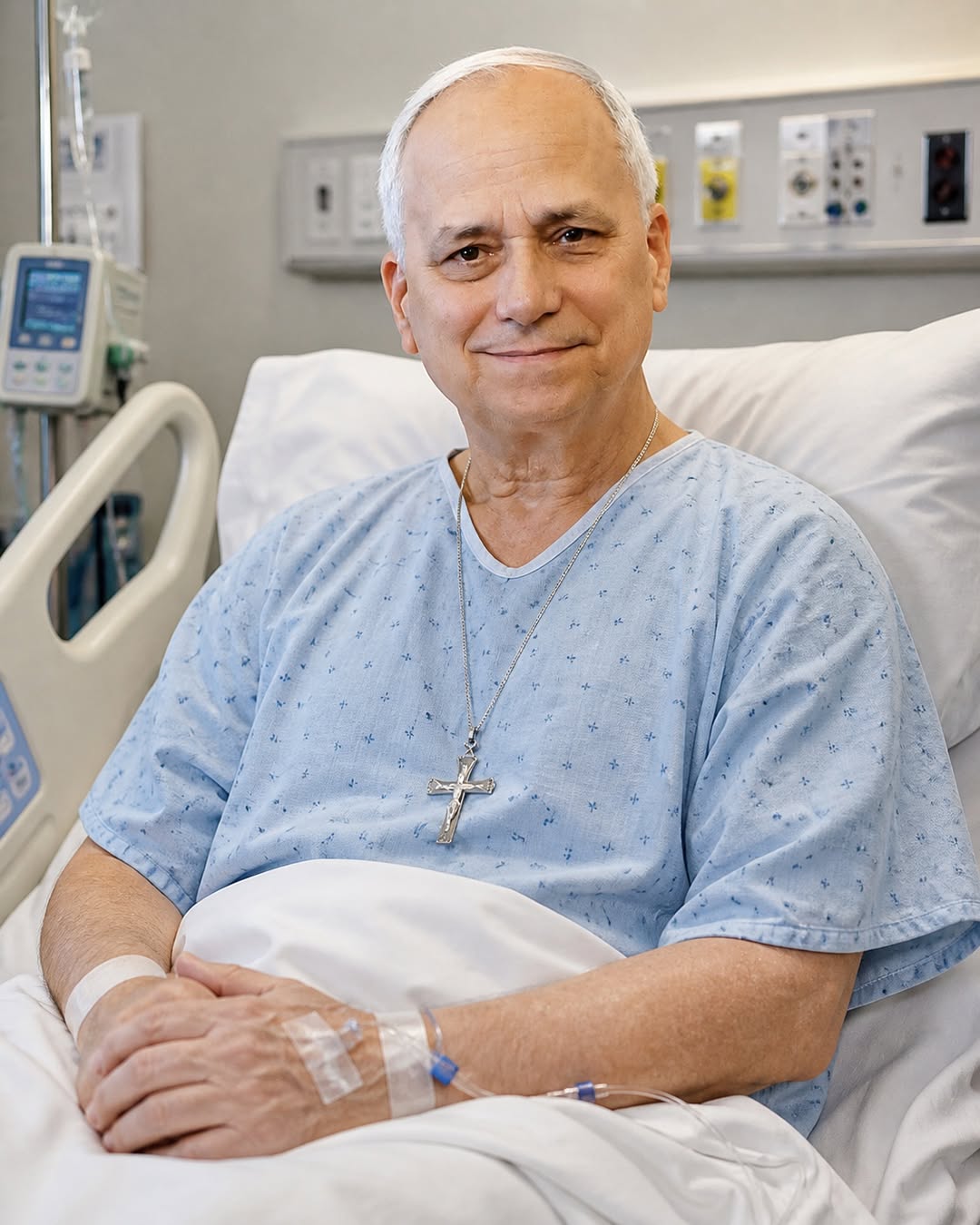
Just minutes earlier, the world had been moving at its usual pace, with headlines shifting rapidly and attention divided across countless stories, yet within a short span of time, everything seemed to pause as a single image began circulating across global platforms.
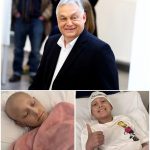
The image did not depict grandeur or ceremony, but instead showed Pope Leo XIV seated in a quiet hospital room, dressed simply, with medical equipment visible in the background, offering a rare and deeply personal glimpse into a moment far removed from public appearances.
For weeks leading up to this moment, speculation had grown steadily regarding his health, as his absence from several scheduled events prompted concern among observers and followers alike.
Official statements had remained limited, describing his condition only in general terms and assuring the public that there was no immediate cause for alarm.
However, the release of the photograph marked a turning point, replacing uncertainty with clarity while also revealing a level of vulnerability rarely seen from a figure of his stature.
Accompanying the image was a short message, composed of just a few words, yet carrying significant emotional weight.
“This is only the beginning,” the message read.

The phrasing immediately drew attention, not only because of its brevity, but because of the implications it suggested.
It did not present the situation as resolved, nor did it attempt to minimize the challenge ahead.
Instead, it acknowledged the reality of an ongoing struggle.
Shortly after the image was released, a follow-up statement from the Vatican provided additional context, confirming that Pope Leo XIV had undergone a private medical procedure that had been successfully completed.
While the procedure itself had achieved its intended outcome, the statement clarified that it represented only one stage in a broader course of treatment.
Medical advisors indicated that the condition being addressed required continued care, monitoring, and potentially further interventions in the future.
The tone of the statement was measured and factual, yet it carried an underlying seriousness that contrasted with earlier reassurances.
For many observers, this marked the first clear acknowledgment that the situation was more complex than previously understood.
The response from the global community was immediate.
Messages of support, concern, and solidarity began appearing across social media, religious networks, and public forums.
Faith leaders from different regions issued statements expressing their support, while individuals shared personal reflections on the impact Pope Leo XIV had had on their lives.
In cities around the world, gatherings were organized, with people coming together in places of worship to offer prayers and express unity during this period of uncertainty.
The significance of the moment extended beyond the medical details.
For decades, Pope Leo XIV had been associated with resilience, clarity of purpose, and a steady presence in times of challenge.
His leadership had often been defined by his ability to address complex issues with composure and conviction, offering guidance not only to members of the Church but also to broader global audiences.
Now, that same figure was confronting a challenge that was deeply personal, one that could not be addressed through public speech or institutional authority alone.

The image from the hospital room captured that reality with striking simplicity.
There were no symbols of power or ceremony, only a human presence facing a moment of uncertainty.
Observers noted the contrast between the public image of leadership and the private experience of vulnerability.
Yet for many, this contrast did not diminish his role.
Instead, it reinforced it.
By choosing to share that moment openly, Pope Leo XIV introduced a different form of leadership, one rooted in transparency and authenticity.
In the hours that followed, additional details emerged regarding the nature of his condition, though specific medical information remained limited out of respect for privacy.
Medical experts commenting generally on similar cases emphasized the importance of early intervention, consistent treatment, and strong support systems in managing complex health challenges.
While no definitive timeline for recovery was provided, the overall message indicated cautious optimism combined with recognition of the work ahead.
Within the Vatican, preparations were made to ensure continuity of responsibilities during his period of recovery.
Senior officials coordinated schedules, adjusted public appearances, and communicated updates to maintain stability within the institution.
At the same time, there was a clear effort to balance operational needs with respect for the Pope’s personal circumstances.
Those close to him described his mindset as focused and determined, emphasizing that despite the seriousness of the situation, he remained engaged and aware of his responsibilities.
They noted that his decision to release the photograph and message had been intentional, aimed at providing clarity while also connecting directly with those who looked to him for guidance.
For many followers, the message “This is only the beginning” took on a broader meaning.
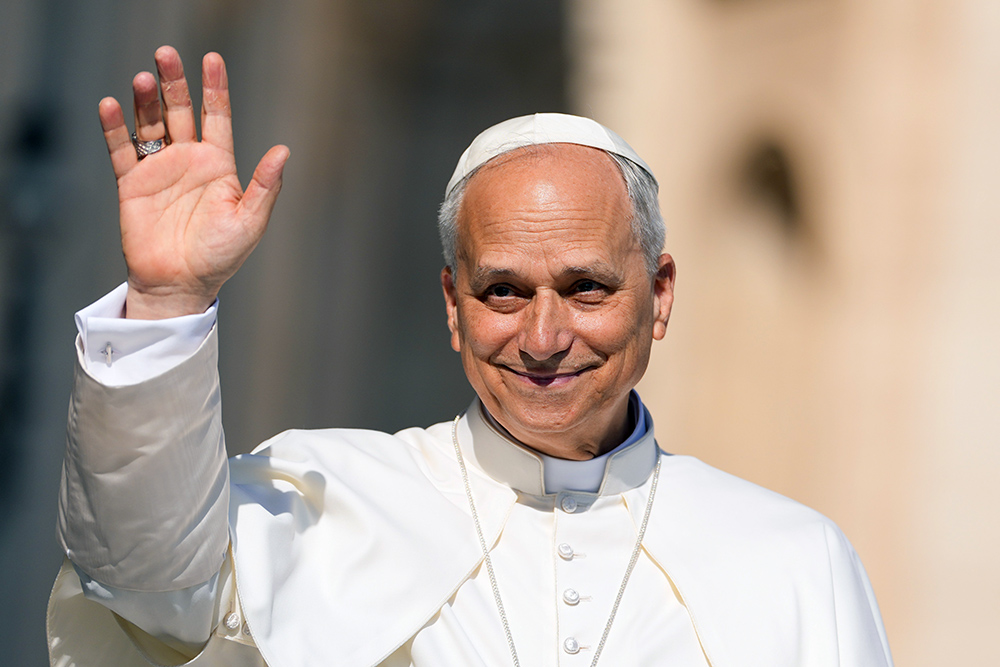
It was interpreted not only as a reference to medical treatment, but also as a reflection of resilience and forward movement.
It suggested that the current moment, while challenging, was part of a larger journey rather than an endpoint.
As days progressed, the story continued to develop, with updates providing gradual insight into his recovery process.
Public attention remained focused, not out of curiosity alone, but out of a sense of shared concern.
The situation highlighted the intersection between public leadership and personal experience, demonstrating that even the most prominent figures are not separate from the realities faced by others.
In reflecting on the moment, analysts noted that the decision to share such a personal image had shifted the narrative.
Rather than allowing speculation to define the situation, it provided a clear, direct perspective.
It also created a sense of connection, bridging the distance between a global figure and individuals observing from afar.
The long-term outcome of his health journey remained uncertain, as is often the case with complex medical conditions.
However, the immediate impact of his message was clear.
It transformed a period of speculation into one of understanding.
It replaced distance with connection.
And it reframed vulnerability not as weakness, but as a form of strength.
For Pope Leo XIV, the path ahead would involve continued treatment, recovery, and adaptation.
For the global community, it represented an opportunity to reflect on resilience, empathy, and the human dimensions of leadership.
And in that shared space of uncertainty and hope, the moment extended beyond a single image or statement.
It became part of a larger story, one still unfolding, defined not only by challenge, but by the response to it