
Alabama Case Raises Questions After Unusual Cancer Response Following Experimental Treatment
Alabama Case Raises Questions After Unusual Cancer Response Following Experimental Treatment
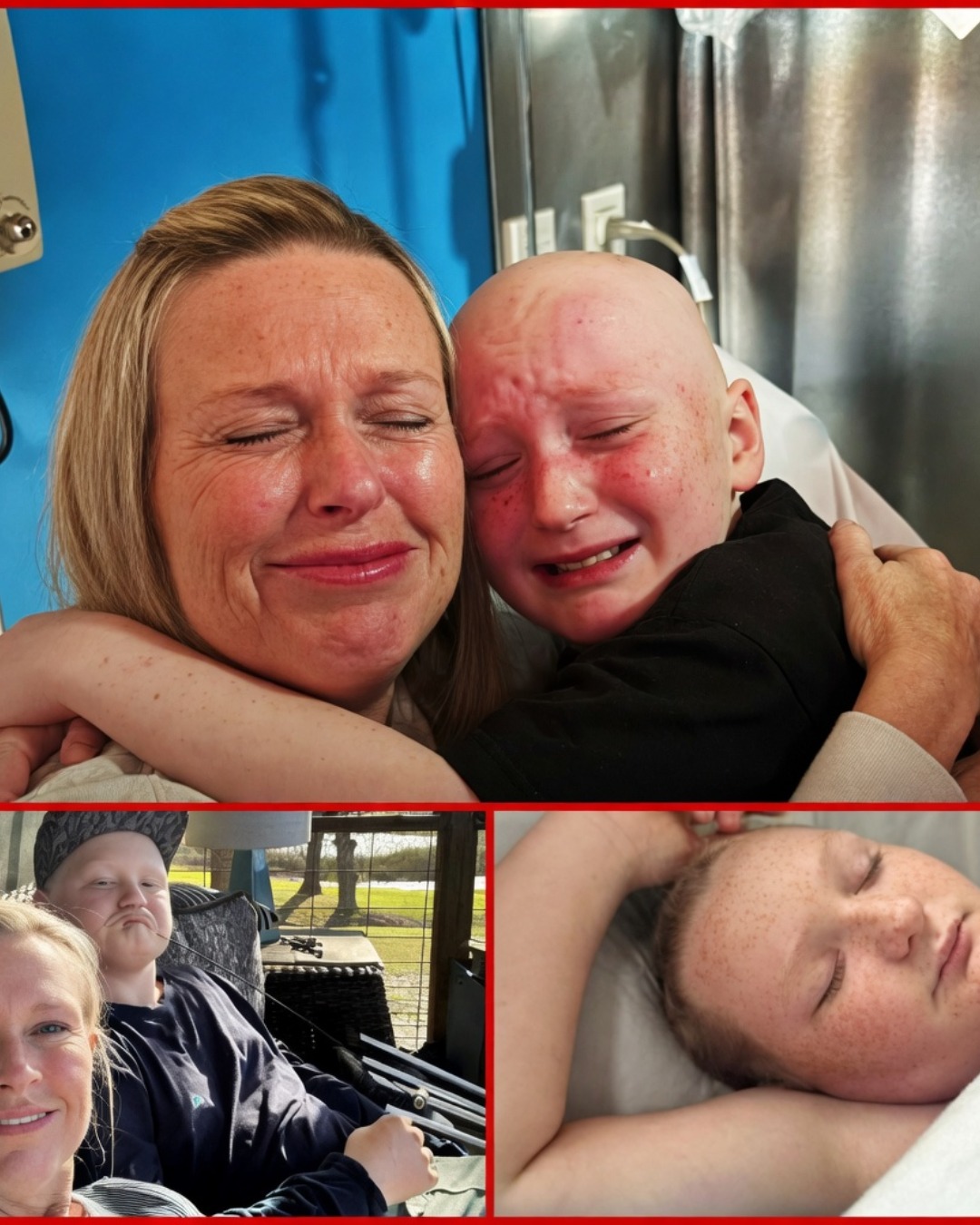
An unexpected set of laboratory results from a hospital in Alabama has prompted urgent discussions among medical professionals, after a patient undergoing experimental cancer treatment showed what doctors described as an “extraordinary and unexplained response”.
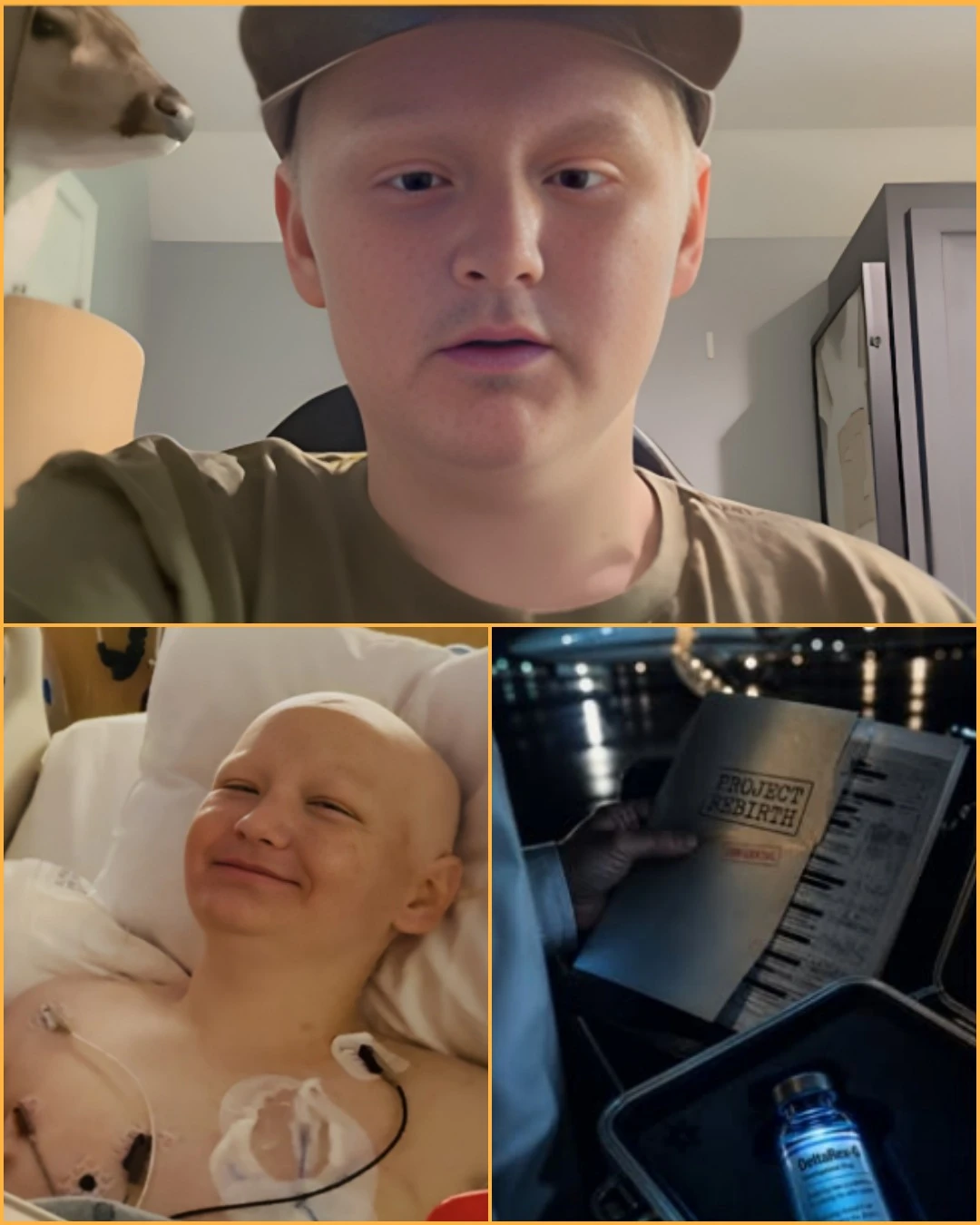
The patient, identified only as Will, had been receiving treatment for advanced-stage cancer when clinicians observed rapid changes in his condition within hours of administering a drug known as MEPACT.
While improvements are not uncommon in oncology trials, the speed and nature of the response have raised questions that extend beyond conventional medical understanding.
A rapid and unusual development
According to medical staff familiar with the case, blood samples taken approximately four hours after treatment indicated not only a reduction in cancer activity but what appeared to be a complete disappearance of malignant cells in certain areas.
Particular attention was given to the pelvic region, previously identified as one of the most severely affected sites. Imaging scans conducted earlier in the night had shown lingering signs of metastatic clusters. However, follow-up analysis suggested that those signals had vanished entirely.
Doctors initially suspected equipment malfunction or data error, repeating tests multiple times. Each iteration produced the same outcome.
“This goes beyond what we would typically expect, even in highly responsive cases,” one clinician involved in the review said, speaking on condition of anonymity. “We are seeing changes that are difficult to reconcile with established patterns of treatment response.”
A cautious medical response
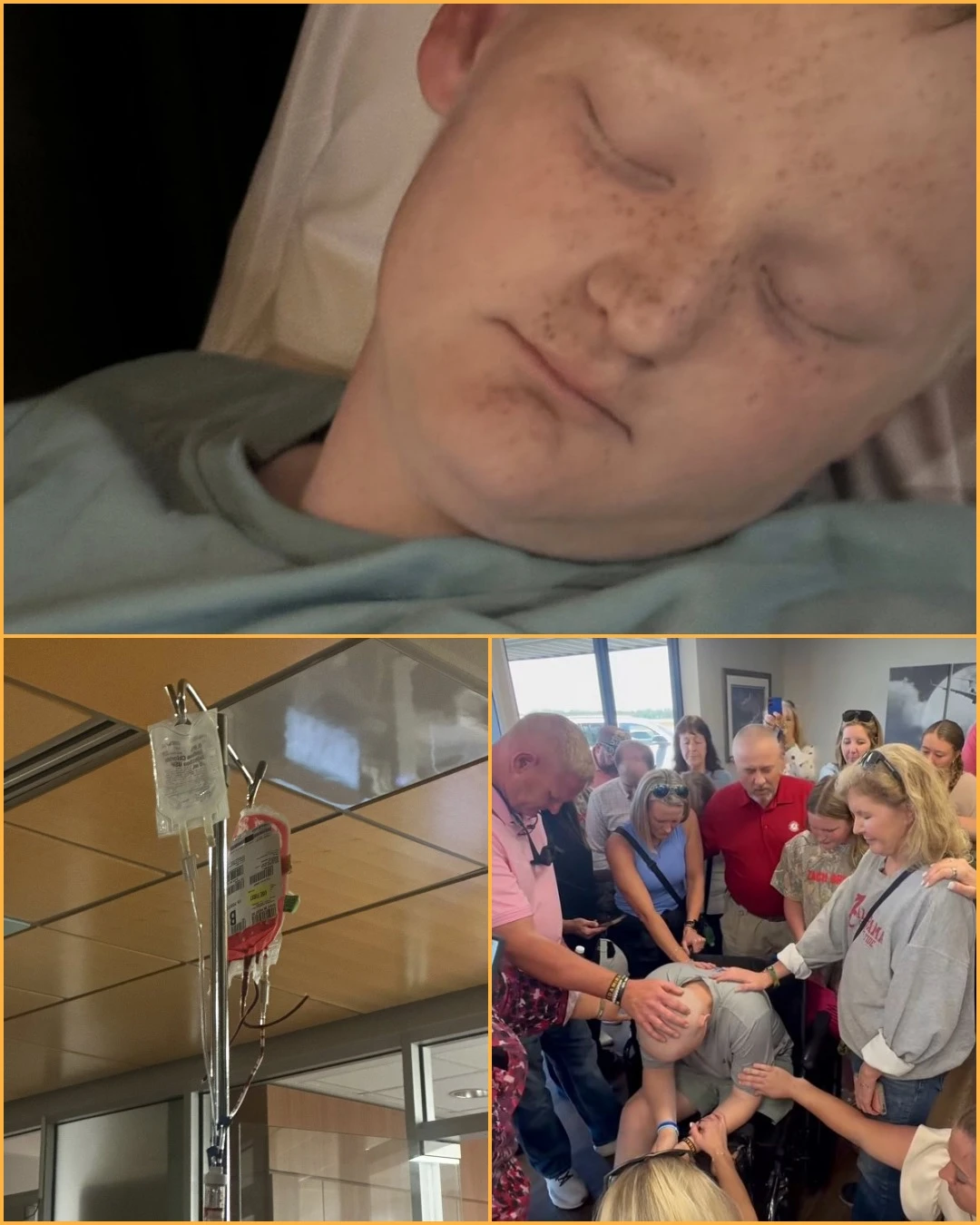
Despite the apparent improvement, specialists have urged caution. Sudden changes in tumour visibility can sometimes be influenced by technical factors or temporary biological responses that require further verification.
However, what has drawn particular attention is not only the disappearance of cancer cells, but additional findings observed at the microscopic level.
In a closed briefing, the hospital’s pathology team reviewed images of newly formed white blood cells in the patient’s bloodstream. According to individuals present, the cells appeared to exhibit structural characteristics that differed from typical morphology.
While such variations can occur under certain conditions, the reported patterns have led to internal discussions about whether the treatment may be triggering a broader systemic response within the body.
“It is too early to draw conclusions,” another specialist said. “But we are looking very closely at whether this represents a known biological mechanism or something less understood.”
Wider implications and external interest
The case has attracted attention beyond the initial hospital. A specialist team based in Santa Monica has reportedly requested that the patient be transferred to a higher-security medical facility equipped for advanced monitoring and research.

Such transfers are not uncommon in cases involving experimental therapies, particularly when results may have broader scientific implications. High-security medical environments can provide controlled conditions for further testing, as well as protect patient data and ensure compliance with regulatory standards.
The treatment itself is also under scrutiny. MEPACT, a drug that has been studied in specific cancer contexts, is not typically associated with immediate or complete remission in advanced-stage cases. Reports that the therapy in this instance may have been supported by private funding have added another layer of complexity, though details remain limited.
Balancing hope and uncertainty
For patients and families affected by cancer, stories of rapid recovery often carry a powerful emotional weight. However, experts stress that isolated cases — particularly those involving experimental interventions — must be interpreted carefully.

Medical breakthroughs are rarely the result of a single event. Instead, they emerge through repeated observation, peer review, and long-term study.
The next steps
At present, the priority remains the patient’s safety and ongoing monitoring. Further testing is expected to determine whether the observed changes are stable and whether they can be replicated or explained through known scientific frameworks.
For now, the case remains an open question — one that sits at the intersection of hope, uncertainty, and scientific curiosity.
If confirmed, such findings could contribute to new avenues of research in cancer treatment. If not, they may still offer valuable insights into how the human body can respond under extreme conditions.
Either way, the events unfolding in Alabama are likely to be followed closely by the medical community in the weeks ahead.