Jax’s Quiet Strength: The Extraordinary Fight of a Tiny Heart Warrior
Jax’s Quiet Strength: The Extraordinary Fight of a Tiny Heart Warrior
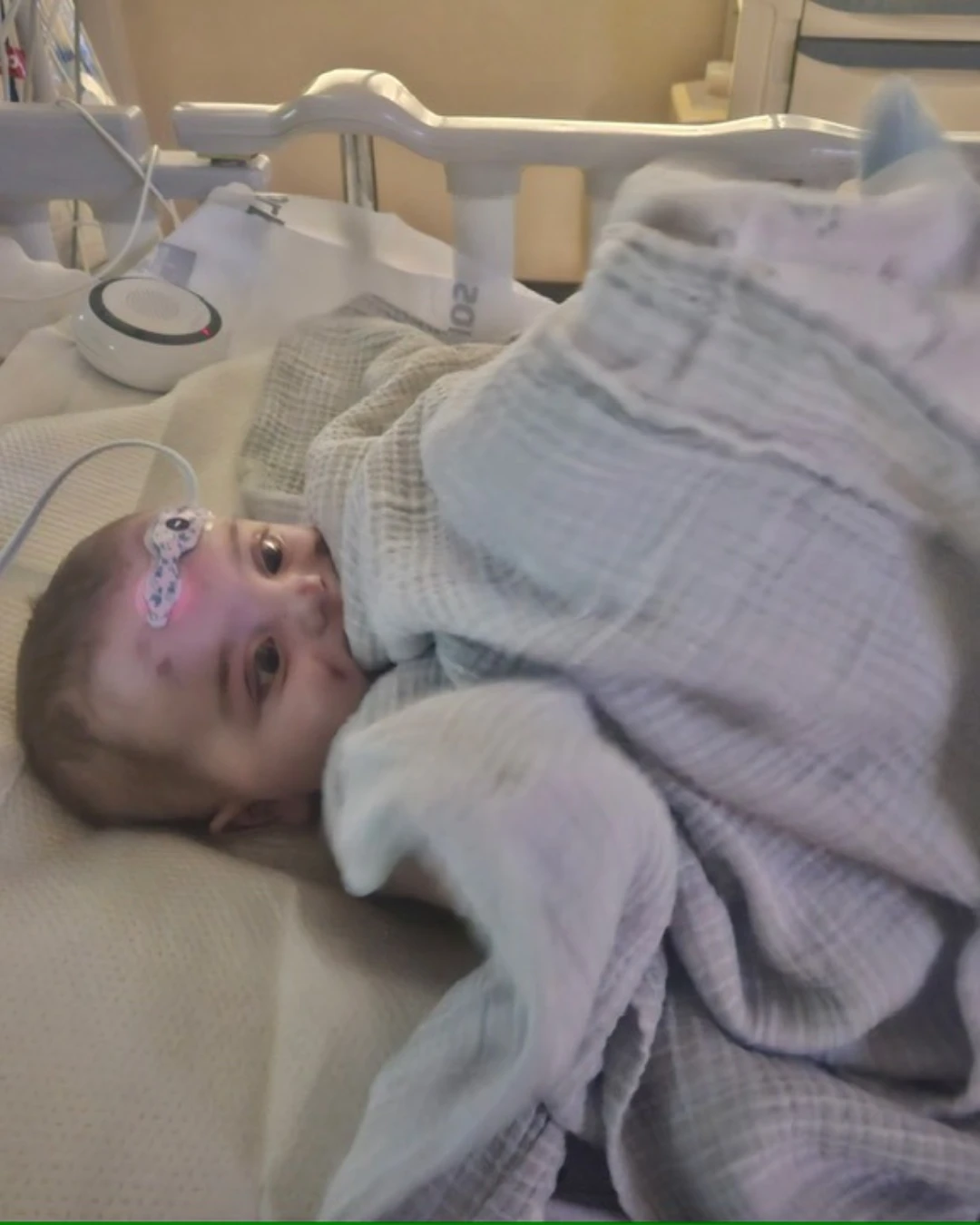
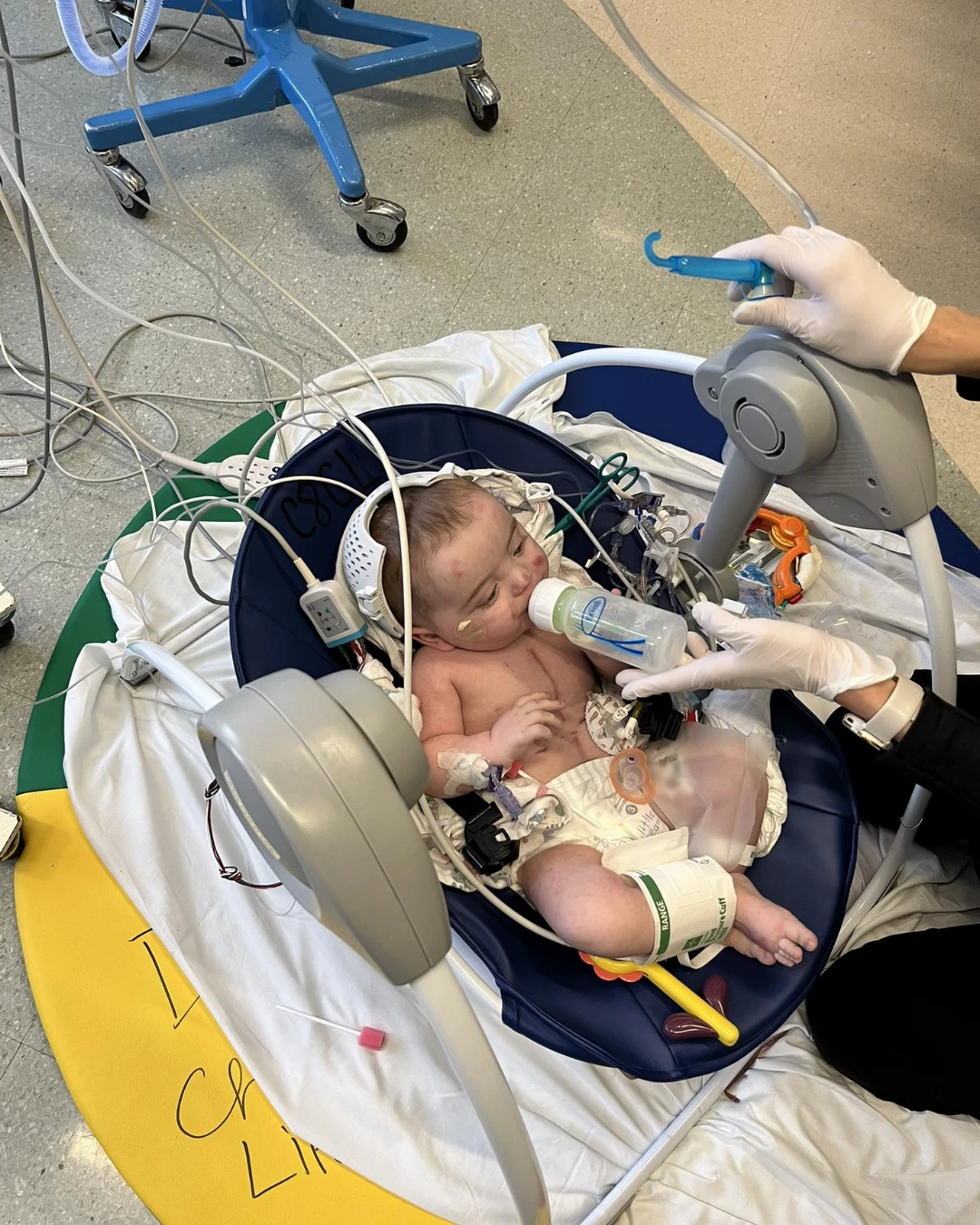
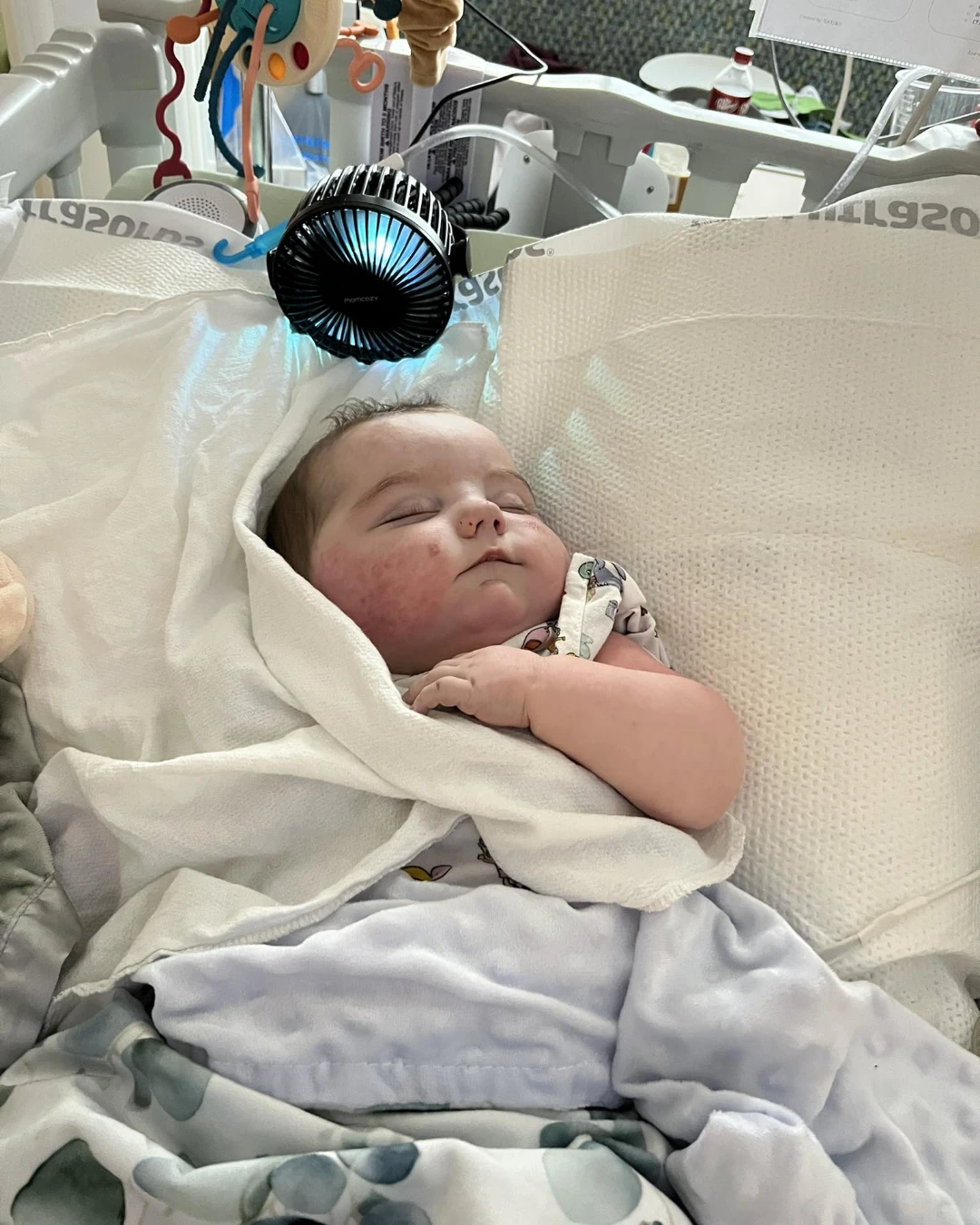
In the soft glow of the hospital lights, little Jax lies nestled amid a tangle of tubes, wires and the relentless beeping of monitors. It is not the peaceful slumber a newborn should enjoy. Instead, it is another night of silent endurance in the intensive care unit — one more long vigil in his battle against a complex congenital heart defect.
Surrounded by the gentle care of nurses and doctors, Jax rests with a resilience that belies his tiny frame.
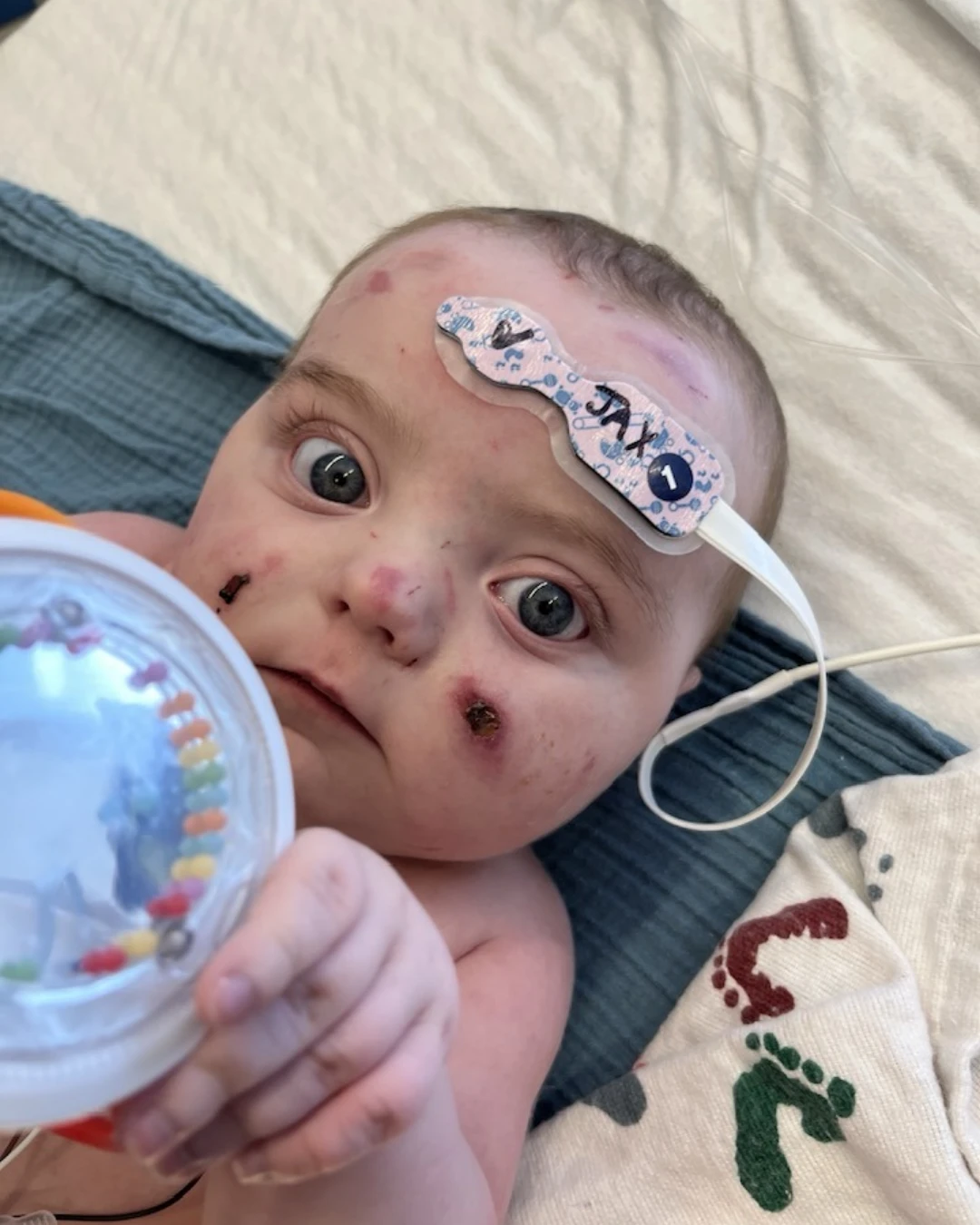
His small chest, marked by the scars of previous surgery, rises and falls with quiet determination. His bright eyes, heavy with exhaustion, stay open a little longer, as if silently absorbing a world that has demanded so much from him in his few short months of life.
A Heart That Defied the Odds
Jax Reign was born with several complex congenital heart defects — conditions that affect the structure of the heart and how it pumps blood. Congenital heart disease (CHD) is the most common birth defect worldwide, touching roughly one in every 100 babies. For many families, the diagnosis brings a journey filled with uncertainty, fear and hope.
In Jax’s case, doctors initially determined that his left ventricle — one of the heart’s two main pumping chambers — was too small and too weak to support a full repair. The prognosis pointed toward the single-ventricle pathway: a series of palliative surgeries (Norwood, Glenn, and Fontan) that reroute blood flow so one ventricle does the work of two.
hile these procedures can sustain life, they are not a cure and often come with lifelong complications.
Then came the turning point that changed everything.
Just days after receiving what felt like devastating news that Jax would likely never qualify for a biventricular repair, new assessments showed unexpected progress. His left ventricle had grown stronger. Suddenly, this baby once written off for the more limited single-ventricle route became a candidate for complex biventricular repair — a sophisticated surgery that aims to reconstruct the heart so both ventricles can function as they were meant to.
“It felt like a miracle,” his family shared in updates that have moved thousands of followers. From heartbreak to renewed hope in a matter of days, Jax’s story illustrates both the fragility and the remarkable adaptability of a young heart.
What is Biventricular Repair?
Biventricular repair represents one of the most promising advances in paediatric cardiac surgery. “Bi” means two; “ventricular” refers to the heart’s lower chambers. The goal is to create or restore a heart with two working ventricles instead of relying on just one for a lifetime.
Surgeons may enlarge small structures, redirect blood flow pathways, and sometimes “train” the weaker ventricle to handle greater workloads. When successful, it offers the possibility of more normal circulation, better oxygen levels, reduced long-term strain on the heart, and a chance at a fuller, more active life.
Not every child with borderline single-ventricle anatomy qualifies, and the procedure is highly complex. It is performed only at specialised centres with extensive experience. For families like Jax’s, being considered for this path after initially being told it was impossible feels like a lifeline.
The Human Cost of CHD
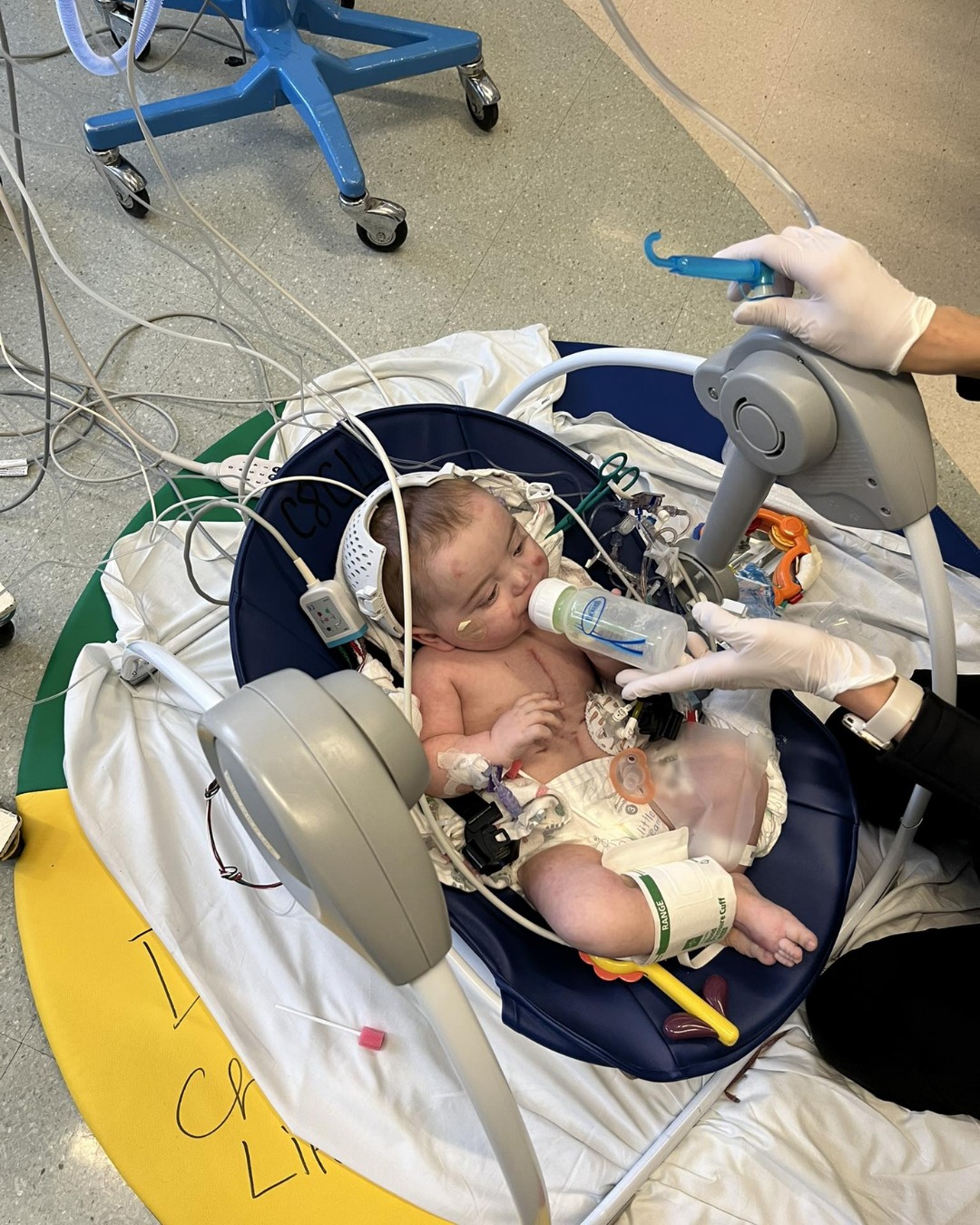
Nights like the one captured in the photograph — Jax feeding while connected to multiple lines and monitors — are familiar to thousands of CHD families worldwide. Parents describe a rollercoaster of emotions: the terror of watching your newborn wheeled into surgery, the exhaustion of sleepless hospital vigils, the quiet strength required to keep going.
Yet amid the hardship, stories like Jax’s also highlight profound courage — not just from the children, but from their families and the medical teams who refuse to give up.
Jax’s parents have openly documented every high and low on their Facebook page, Jax Reign: Beats of a Warrior. Their transparency has built a supportive community of fellow heart families, medical professionals and strangers moved by the little boy’s fight. Posts celebrating small milestones — a stable echo result, a stronger ventricle, a moment of sibling bonding — are met with thousands of messages of love and prayer.
A Broader Hope
Jax’s journey shines a light on the importance of second opinions and continued innovation in congenital heart care. What one centre deems impossible, another with specialised biventricular programmes may see as achievable. Advances in imaging, surgical techniques and post-operative care are expanding possibilities for children once considered beyond help.
For now, Jax continues his recovery. His next steps remain uncertain — more assessments, potential future surgery — but the family holds onto the hope of a two-ventricle heart that could give their son a future without the limitations of single-ventricle physiology.
In the quiet moments of the ICU, surrounded by machines and the love of those fighting alongside him, Jax reminds us of a simple yet profound truth: even the smallest hearts can carry the greatest courage.
If Jax’s story has touched you, consider following his journey, sharing awareness about congenital heart disease, or supporting organisations dedicated to CHD research and family assistance. Thousands of babies like him are born every year — each one deserving the best chance at a long, healthy life.