While dozens of children slept peacefully inside an orphanage, danger suddenly forced its way through the doors… and one man made a decision that would change everything. 💔
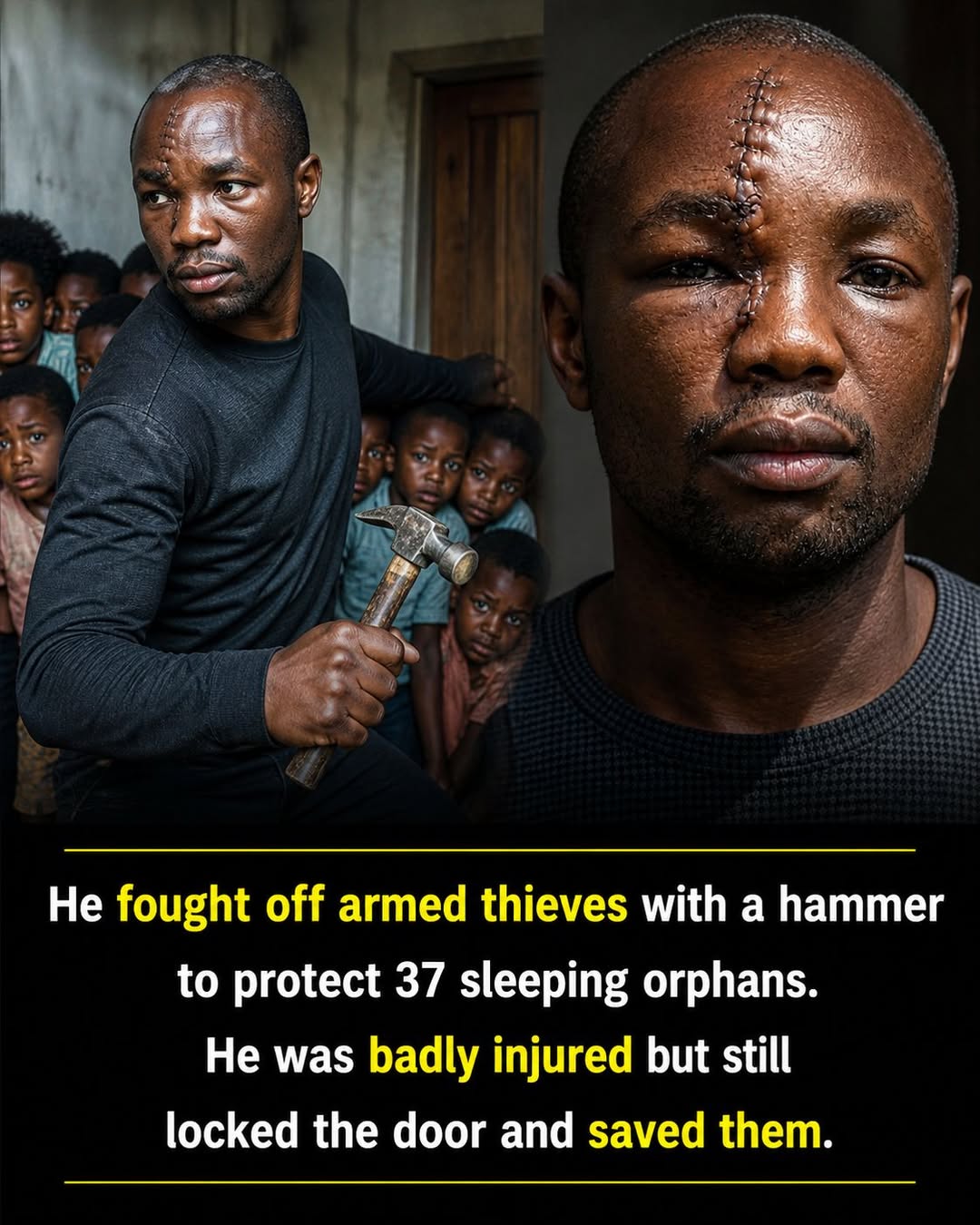
The story of the “Orphanage Protector” is one that taps into our deepest respect for self-sacrifice. It paints a picture of a man who, when faced with the ultimate choice between his own safety and the lives of 37 children, chose to become a living shield.
However, as we look closer at this specific viral narrative, it is important to separate the virtue of the story from the reality of the post.
Navigating the Truth
While stories of incredible bravery happen every day, this specific post has become a classic example of how modern AI-generated content can be used to create “emotional bait” on social media.
-
The AI Connection: The image associated with this story (which we discussed previously) is widely recognized by experts as AI-generated. The hyper-defined “scars,” the stylized lighting, and the inconsistent details in the background are hallmarks of generative tools rather than documentary photography.
-
The Missing Details: Despite the claim that the story “quickly spread far beyond the local community,” there is a notable absence of specific, verifiable facts. There is no name for the man, no specific city or country mentioned, and no reputable news outlet has ever documented a 2012 event matching these exact details.
-
The “Link in Comments” Tactic: Often, these types of emotionally charged, AI-supported posts are designed to drive traffic to specific websites or “engagement farms” by promising “full details” that never quite materialize.
The Real Heroes
While this specific viral post may be a fabrication, it shouldn’t diminish our belief in real-world heroes. History is full of people who have stood in the gap for children. From the “Righteous Among the Nations” who hid children during WWII to modern-day social workers and protectors in conflict zones, real heroism is often quieter, less polished, and carries the weight of true, documented history.
It is possible to be moved by the idea of such bravery while still being a critical consumer of information. We can honor the archetype of the protector without falling for a “story” crafted primarily to gather likes and shares.