“THE WHALE IS ALIVE” — RESCUE TEAMS STUNNED AS TRACKING SIGNAL CONFIRMS SURVIVAL
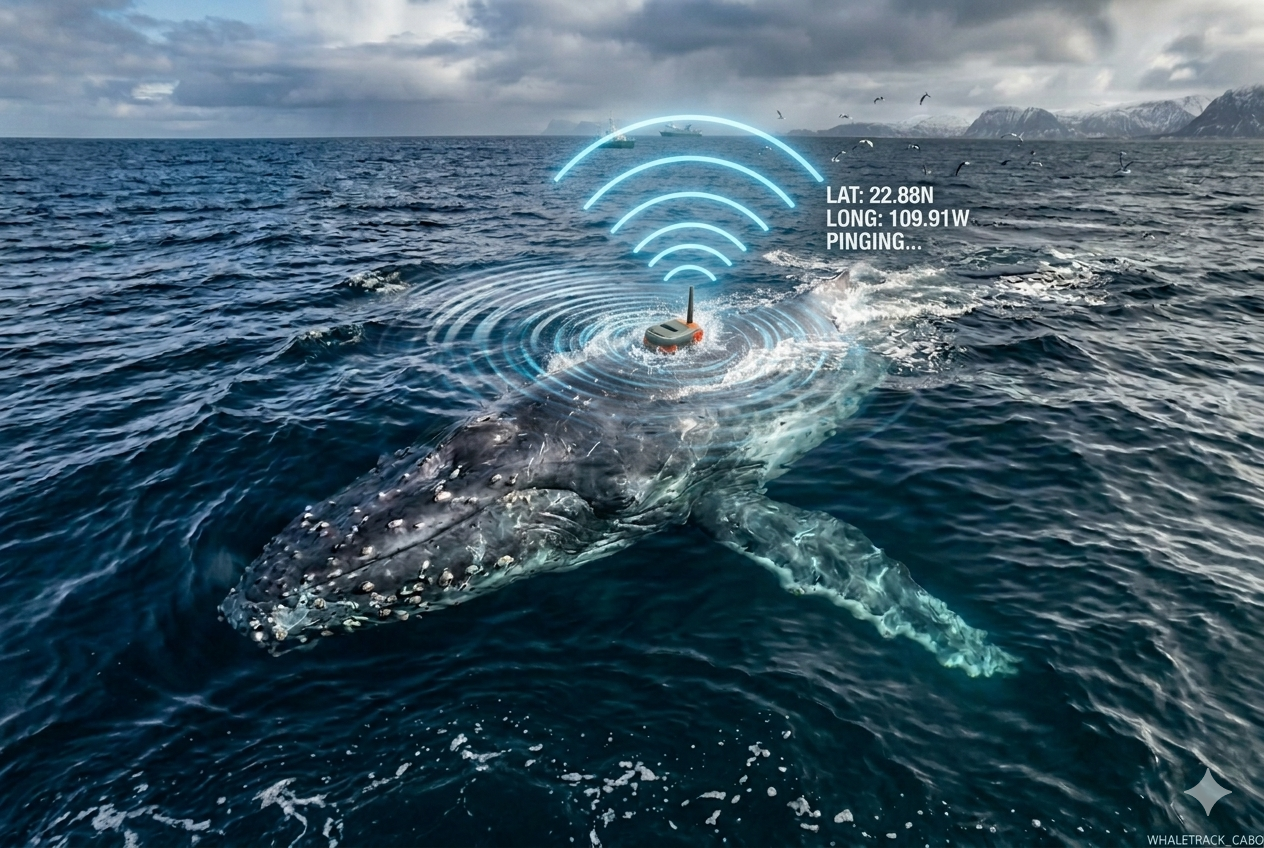
“THE WHALE IS ALIVE” — RESCUE TEAMS STUNNED AS TRACKING SIGNAL CONFIRMS SURVIVAL
In a development that has thrilled marine scientists, conservationists, and ocean lovers worldwide, Environment Secretary Till Backhaus confirmed to NDR that the whale, previously feared lost, is alive and thriving in the wild. The announcement is based on confidential but verified tracking data from an ongoing monitoring and rescue operation — a rare beacon of hope in a world where large marine mammals face unprecedented threats.
Tracking signals reveal remarkable activity. The whale is swimming freely through open waters, diving as deep as 150 meters (492 feet), and exhibiting natural, stable behavior. Experts say these movements indicate that the animal is not only surviving but behaving normally in its ocean habitat, a testament to its resilience and adaptability. 
Authorities are keeping key details strictly confidential to protect the whale:
- The specific tracking device remains undisclosed
- Exact location is withheld
- Future updates will remain limited to prevent disturbances, including so-called “sensory tourism” — human activities that can stress and disorient vulnerable marine animals.
“This is more than just a signal update,” says one marine biologist involved in the operation. “It is a landmark moment in modern marine conservation. It proves that careful coordination, advanced tracking technology, and rapid intervention can still make a real difference for individual animals, even in complex ocean environments.”
For those following the story, the whale’s journey has been both dramatic and inspiring. Rescue teams had feared the worst when the animal disappeared from earlier tracking. Weeks passed in anxious silence as ocean currents carried the whale into the vast, unpredictable North Sea. Now, each new ping from the tracker brings relief — proof that despite exhaustion, environmental stress, and the dangers of open waters, the whale has not only survived but continues to thrive.
Experts emphasize that this survival is a powerful symbol for ocean conservation. Large marine mammals like whales are not just icons of the sea; they are indicators of ocean health. The ability of this whale to endure and recover highlights the impact that targeted conservation efforts, scientific monitoring, and responsible human intervention can have.
Authorities caution that the whale’s recovery is still fragile. While the animal appears healthy and active, the team is monitoring it closely to ensure it remains safe from ship strikes, pollution, and other human-related threats. The whale’s fate reminds the world that even the largest creatures in the ocean are vulnerable and dependent on careful protection.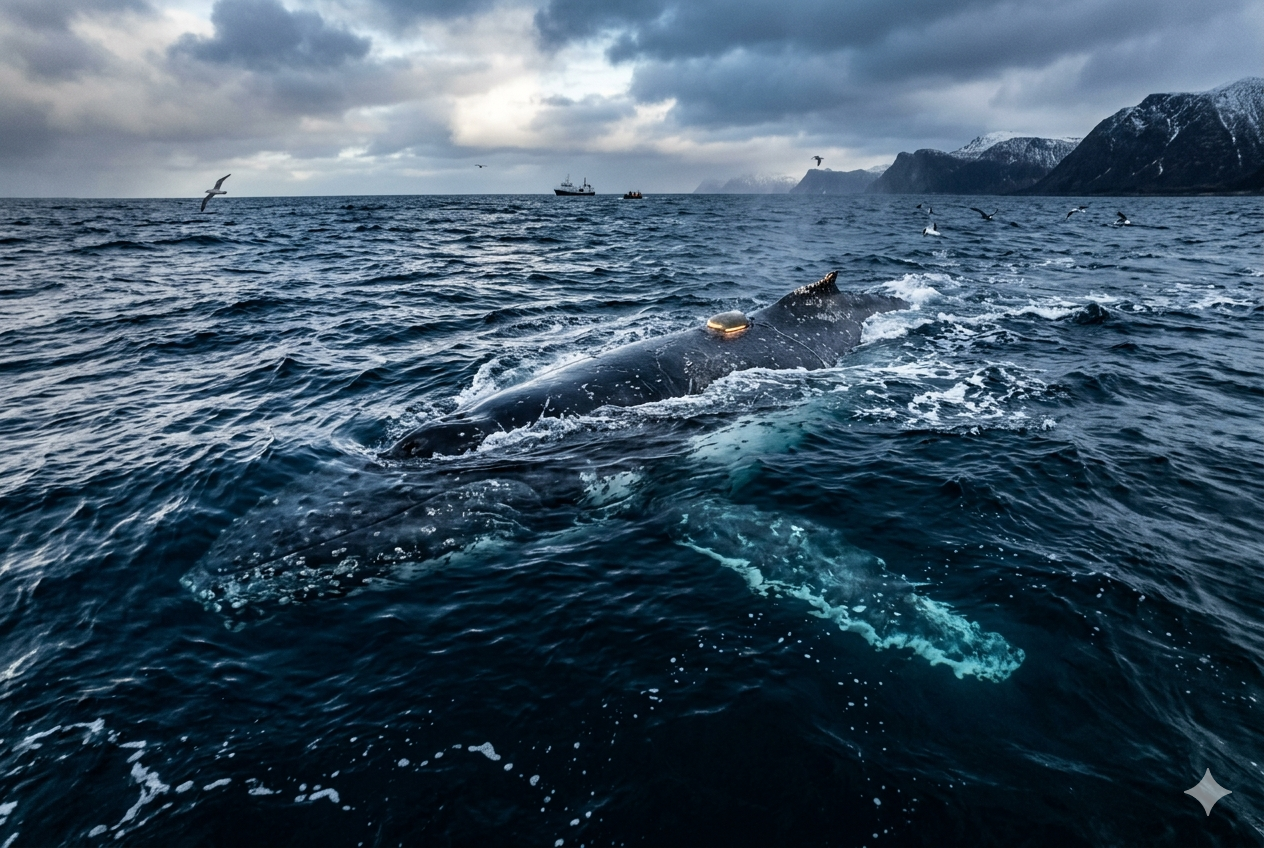
Still alive. Still moving. Still out there in the deep ocean.
This extraordinary update also sparks broader conversations about our responsibility toward marine ecosystems. Conservationists hope that stories like this will inspire global awareness and action — from reducing ocean noise and pollution to creating safer migration corridors for whales and other vulnerable species.
As the whale continues its journey through the open sea, scientists, volunteers, and the public watch with hope. Each movement captured by the tracker is a message: survival is possible, but only when humans act with knowledge, care, and respect for the natural world.
In a world filled with environmental uncertainty, this whale’s survival is a testament to resilience, science, and the power of coordinated conservation — a story of hope echoing across the waves.