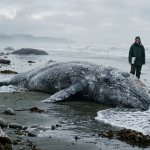
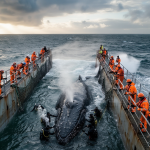
“THE WHALE IS ALIVE” — OFFICIAL STATEMENT FROM THE ENVIRONMENT MINISTRY SPARKS HOPE FOR MARINE CONSERVATION
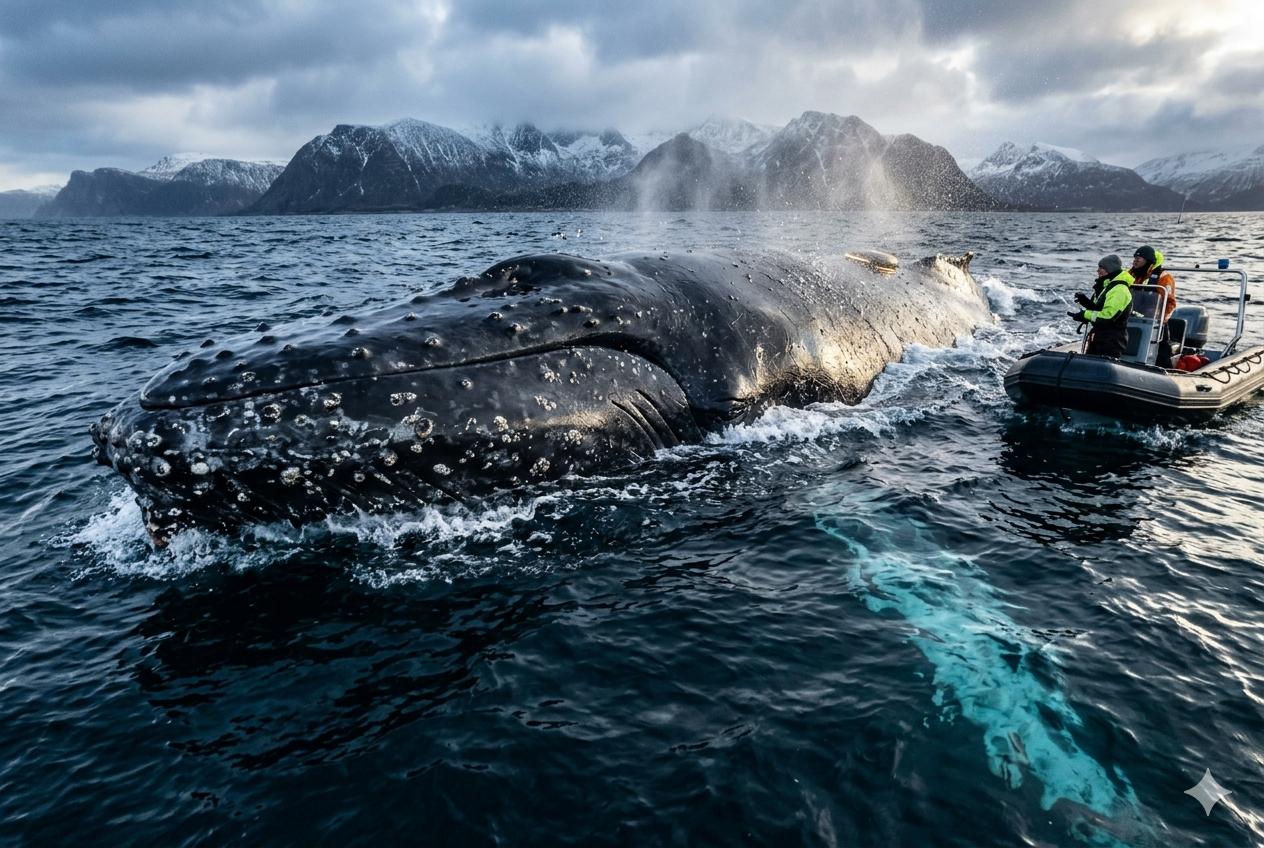
“THE WHALE IS ALIVE” — OFFICIAL STATEMENT FROM THE ENVIRONMENT MINISTRY SPARKS HOPE FOR MARINE CONSERVATION
In a remarkable turn of events, Environment Minister Till Backhaus confirmed in a detailed interview with NDR that the stranded whale — whose fate had captured global attention — is alive and actively swimming in the wild. The confirmation comes after days of uncertainty that left scientists, conservationists, and the public alike on edge.
According to authorities involved in the ongoing rescue operation, the whale’s tracking device continues to transmit signals, indicating normal, natural behaviors. The animal has been recorded diving to depths of up to 150 meters, evidence that it is navigating the open ocean independently. Experts interpret these signals as a strong indicator of recovery and survival following the initial stranding.
“The data shows the whale is moving freely and behaving naturally,” said Backhaus. “It is a significant milestone, not just for this individual whale, but for our broader efforts in marine conservation. Modern tracking technologies allow us to monitor these magnificent creatures without intrusive human interference.”
For reasons of safety and environmental protection, officials have decided to keep the whale’s exact location confidential. This precaution aims to prevent disturbance from tourism or amateur tracking efforts — a phenomenon known as “sensory tourism” — which could threaten the animal’s recovery. Authorities emphasized that even well-meaning visitors can unintentionally stress marine animals, potentially leading to secondary strandings or behavioral disruptions.
A Victory for Conservation and Technology
Marine biologists are celebrating this moment as a testament to the power of coordinated rescue missions and advanced technology. “This is a perfect example of how careful planning, scientific monitoring, and public awareness can come together to protect vulnerable marine life,” said Dr. Katrin Hoffmann, a marine ecologist with the North Sea Conservation Institute. “It’s also a reminder that these giants of the ocean need our respect and protection even after they leave human sight.”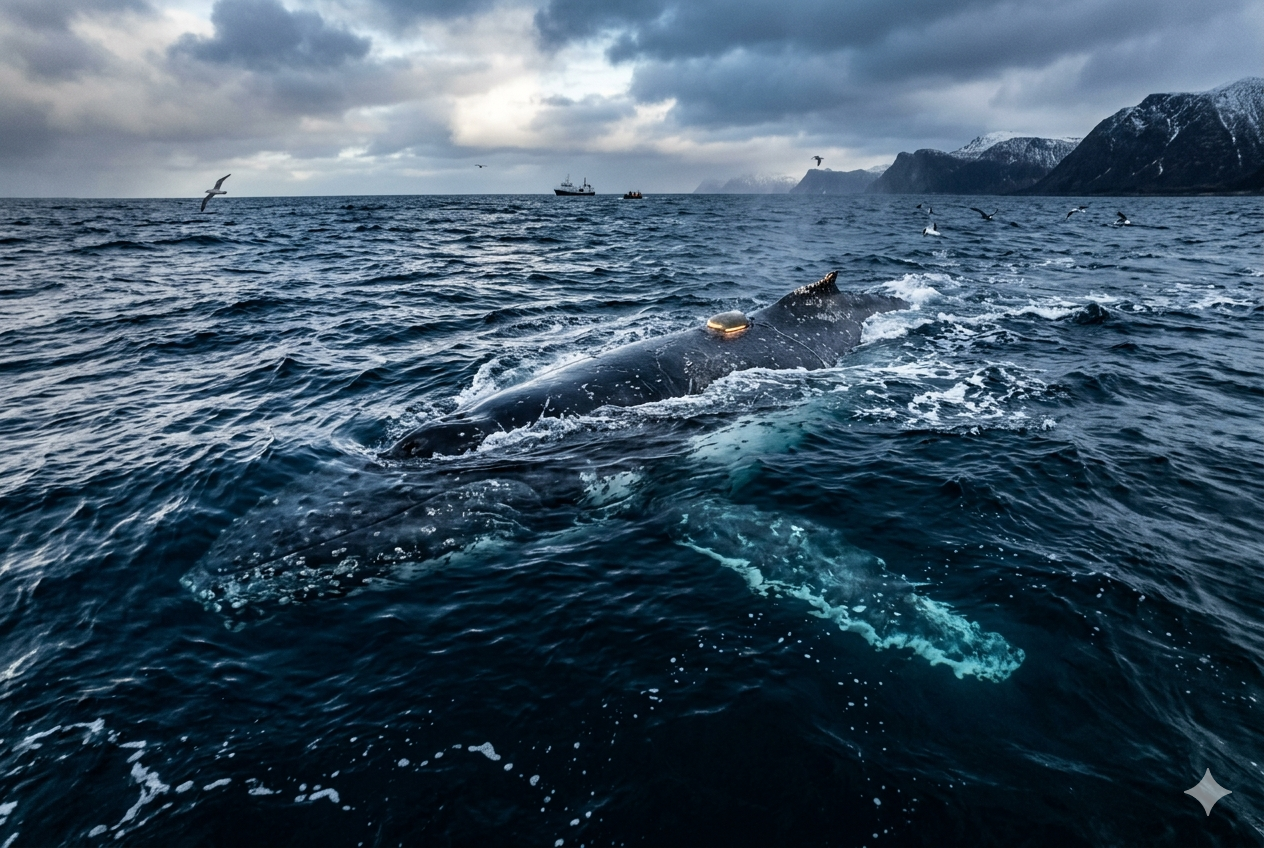
The whale’s survival story has already sparked global attention on social media, with thousands sharing messages of hope, admiration, and concern. Conservation groups are using the momentum to raise awareness about marine ecosystems, pollution, and the impact of human activity on ocean wildlife.
While the whale remains under close observation, the successful confirmation of its well-being is a symbol of hope in a world increasingly concerned about marine biodiversity loss. Experts stress that continued investment in tracking and rescue technologies, along with public education, is essential to safeguard the future of whales and other oceanic species.
Alive. Active. Protected.
This whale, once at the brink, is now swimming freely in its natural habitat — a living testament to human intervention guided by science, empathy, and responsibility. For many, it’s more than a single story; it’s a reminder that conservation works when we act together, and that hope is still alive for the giants of our oceans.