Jackson Collins Was Just a Toddler When Everything Changed — The Miraculous Recovery That Began with a Mother’s Unbreakable Hope.
The Miracle of Breath: How Twenty-Two Month Old Jackson Defied a Medical Nightmare
The quiet of a Pediatric Intensive Care Unit is a sound no parent ever wants to master. It is a silence punctuated only by the rhythmic, mechanical hum of machines and the sharp beep of heart monitors. For the mother of Jackson, a vibrant twenty-two-month-old, this sterile environment became her entire world for thirteen agonizing days. What began as a common, seasonal virus—the kind of sniffle every toddler experiences—rapidly spiraled into a catastrophic health crisis that brought Jackson to the very edge of life.
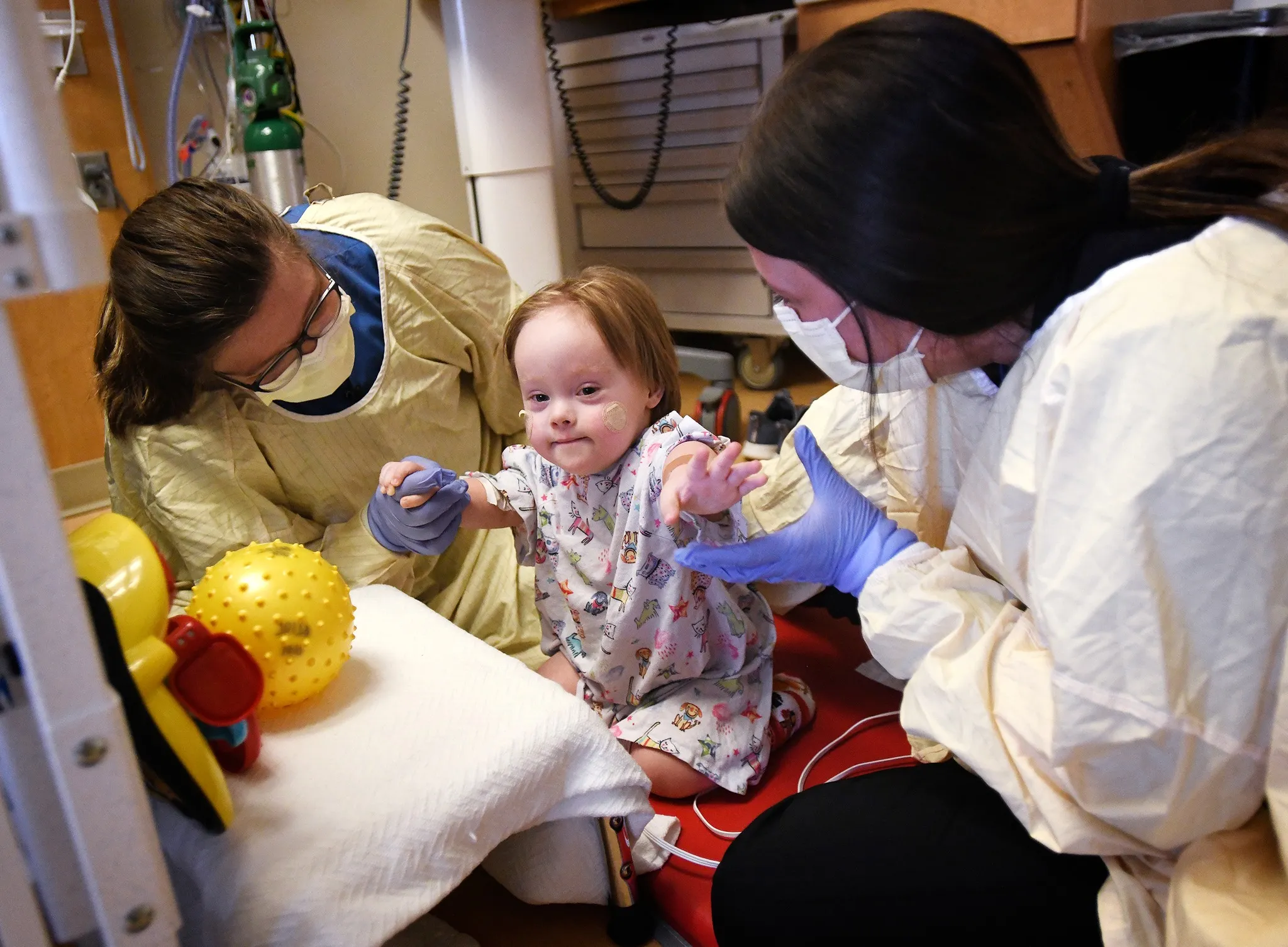
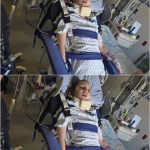
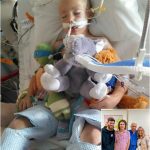
The transition from a simple cold to a life-threatening emergency happened with terrifying speed. The virus invited secondary pneumonia, which ravaged Jackson’s small frame until both of his lungs collapsed. Suddenly, the child who had been running and playing days prior was silenced, his survival dependent entirely on a ventilator. For nearly two weeks, his mother kept a vigil by his bedside, watching a plastic tube do the work his body no longer could. The physical toll was evident as Jackson’s skin turned a haunting shade of gray, a visual reminder of the immense strain his heart and organs were enduring.
Medical professionals remained guarded, unable to offer the certainties a desperate parent craves. In the “fog of medicine,” where every hour brings a new lab result or a dip in oxygen levels, Jackson’s mother lived in a state of suspended animation. She wondered if the vibrant boy she knew was lost forever behind the curtain of sedation and surgical tape. Yet, beneath the layers of medical intervention, Jackson began to wage a silent war. His vitals stabilized, his lungs slowly began to expand with newfound strength, and the mechanical breaths provided by the ventilator were no longer doing all the work.
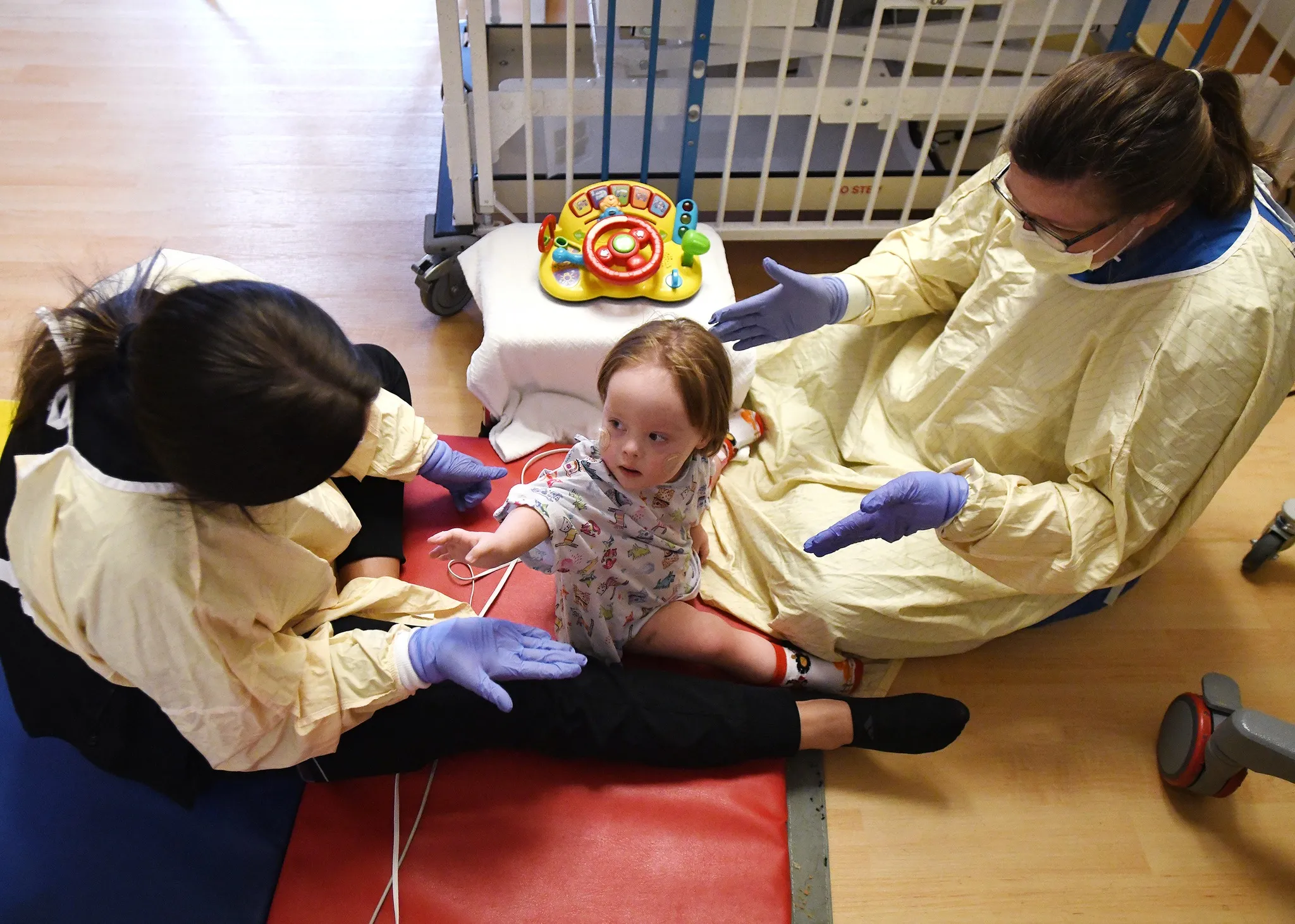
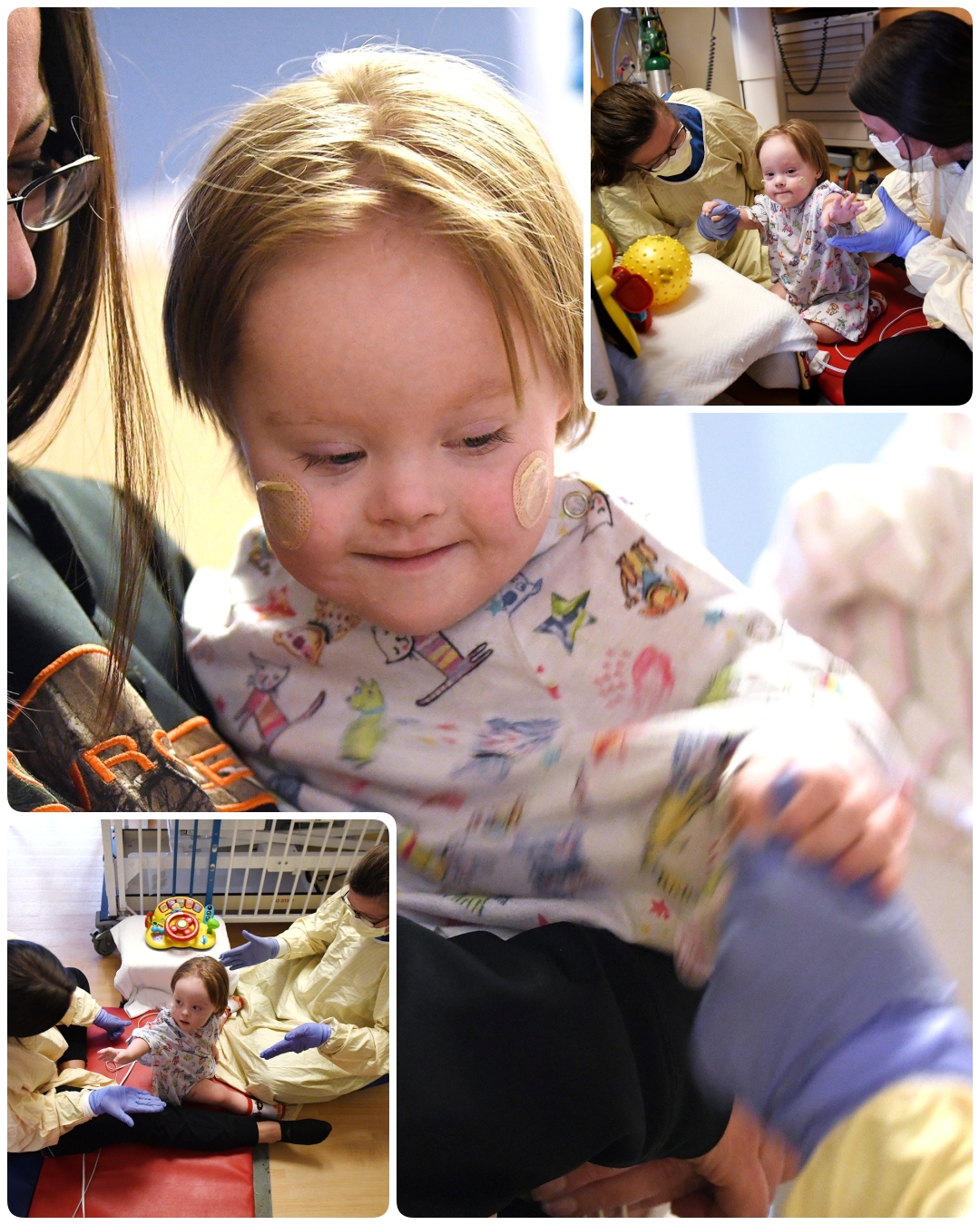
When the day finally arrived to remove the breathing tube, the transformation was nothing short of miraculous. As the sedation faded and the mechanical hum ceased, Jackson’s mother described it as meeting a completely different child. The ashen complexion vanished, replaced by the natural color of life. Though he was weak and faced a long road of physical therapy to regain his motor skills, the spark in his eyes had returned. He was no longer a patient defined by his diagnosis; he was a survivor learning to stand and breathe on his own once more. Jackson’s journey serves as a powerful testament to the resilience of the human spirit and the profound impact of medical dedication. His mother now shares his story to offer hope to others in the PICU, reminding them that even when a child’s lungs fail, their heart can still find the strength to fight back.