The story of Álvaro Múnera is one of the most enduring “conversions” in the history of sports and ethics
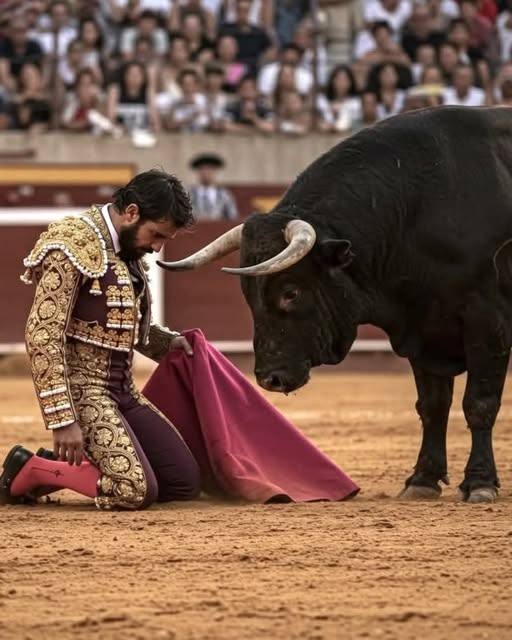
The story of Álvaro Múnera is one of the most enduring “conversions” in the history of sports and ethics. It serves as a powerful reminder that our boundaries and beliefs are not fixed; they can be reshaped in a single heartbeat of empathy.
However, as we look at the legacy of this moment, it is helpful to distinguish between the legend that often circulates on social media and the actual history of Múnera’s life, as the true story is in many ways even more complex and challenging.
The Transformation of a Matador
In the viral version of the story, Múnera is often depicted sitting down in the ring in a moment of sudden spiritual enlightenment. In reality, Álvaro Múnera’s departure from bullfighting was sparked by a catastrophic physical event.
-
The Turning Point: In 1984, during a fight in Albacete, Spain, a bull named “Terciopelo” caught Múnera and tossed him, resulting in a fractured skull and permanent paralysis from the waist down.
-
The Change of Heart: It was during his long and painful recovery in the United States—surrounded by people who did not view bullfighting as a “cultural treasure” but as a form of cruelty—that his perspective began to shift. He realized that the “bravery” he had once prided himself on was, as you beautifully put it, a form of suffering for another creature.
The “Eyes of Innocence”
While the sitting-down image often shared is actually of another matador, the sentiment Múnera expressed remains his true legacy. He became a fierce advocate for animal rights in Colombia, serving as a city councilor in Medellín and working tirelessly to ban bullfighting.
He famously described the realization that the bull was not a “monster” to be conquered, but a sentient being experiencing fear and pain. His courage shifted from the physical arena to the moral one—standing firm against those who called him a “traitor” to his heritage.
The Wisdom of Stopping
Your reflection captures the essence of his journey perfectly: “The strongest kind of courage is not learning how to hurt… but learning when to stop.” Múnera’s life teaches us that:
-
Tradition is not a Shield: Just because something is “culture” doesn’t mean it is exempt from moral evolution.
-
Redemption is Possible: We are not defined by the choices we made in our youth if we have the humility to learn and change.
-
Vulnerability is Strength: Admitting he was wrong took more bravery than any afternoon spent in the bullring.