Hawaii Demands Justice After Viral Video Shows Alleged Attack on Endangered Monk Seal

Hawaii Demands Justice After Viral Video Shows Alleged Attack on Endangered Monk Seal
A disturbing video circulating online appears to show a man allegedly attacking an endangered Hawaiian monk seal named “Lani,” sparking widespread outrage across social media and beyond.
Hawaiian monk seals are among the rarest marine mammals in the world, with only approximately 1,500 individuals remaining in the wild. Conservationists emphasize that every single seal is critical to the survival of the species, and any act of harassment or harm can have serious consequences.
Authorities have confirmed that the incident is under official review, with federal wildlife protection laws now coming into play. The growing public pressure is calling for not only stricter enforcement of existing protections but also meaningful accountability for those who threaten endangered wildlife.
Experts warn that harassment, even if brief, can cause lasting stress to these animals, affecting their health, behavior, and long-term survival. “Disturbances like this are not just momentary,” said a spokesperson from NOAA’s Office of Law Enforcement. “They can have lasting impacts on an already fragile population.”
The viral nature of the video has turned the story into a global conversation about human responsibility, wildlife protection, and ethical behavior in sensitive natural habitats. Conservation groups are urging the public to respect wildlife, follow local guidelines, and ensure that these rare species can continue to thrive in their natural environment.
As the investigation continues, the world is watching to see whether justice will be served and whether this case will set a precedent for the treatment of endangered species in Hawaii and beyond.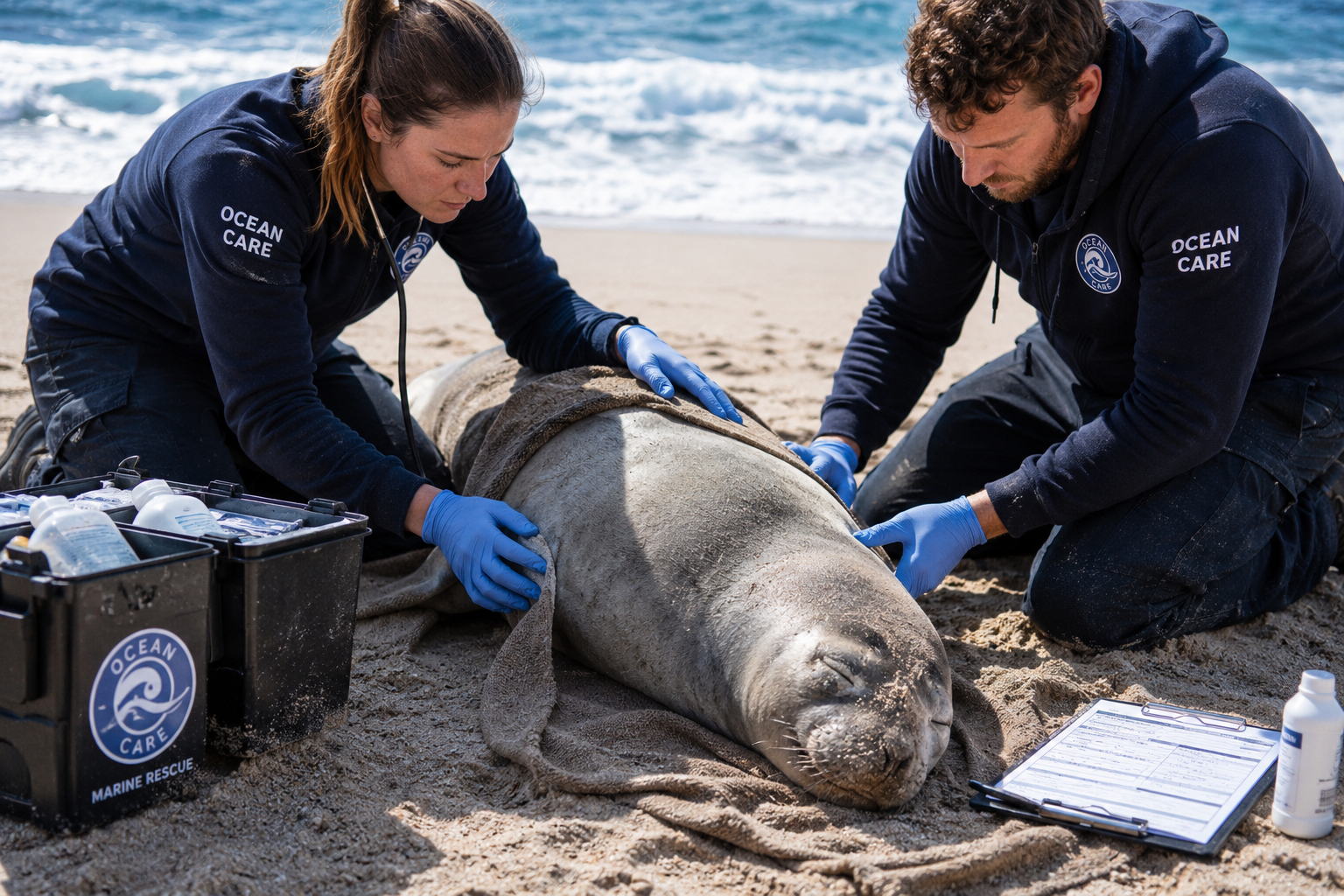
Key Facts:
- Hawaiian monk seals: fewer than 1,500 individuals remain in the wild
- Federal wildlife authorities are investigating the incident
- Conservationists stress the importance of minimizing human disturbances
- Public outrage continues to drive calls for stricter enforcement