Why Are So Many Gray Whales Dying Along the Washington Coast?
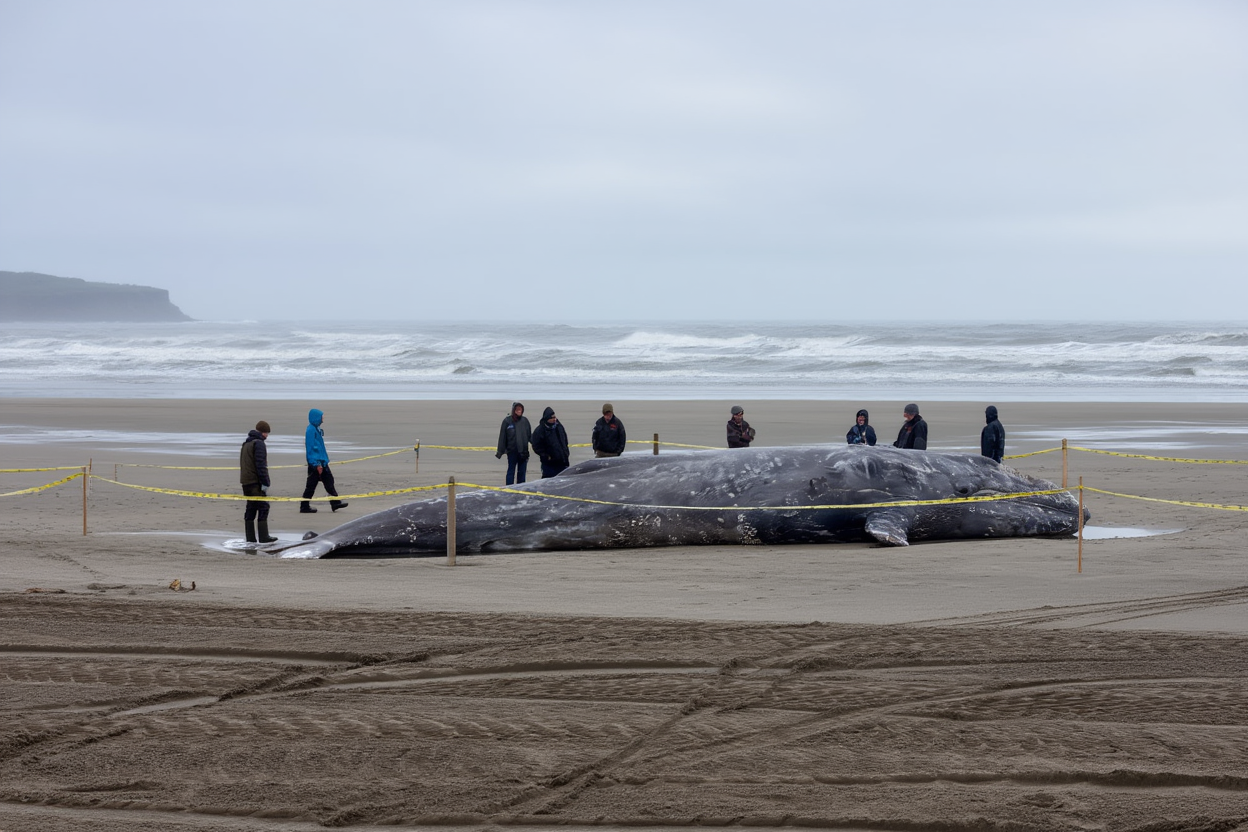
Why Are So Many Gray Whales Dying Along the Washington Coast?
Researchers have confirmed the 15th and 16th gray whale deaths of 2026 after two more carcasses washed ashore near Ocean Shores and Westport within days of each other. The alarming number of strandings has raised urgent concerns among scientists and conservationists.
Signs of Starvation Point to a Broader Crisis
Examinations of nearly every whale this season have revealed severe starvation, indicating a collapse in the Arctic food sources these migratory giants rely on. Shrinking sea ice and warming ocean temperatures are disrupting the abundance and distribution of krill, amphipods, and other small prey that gray whales feed on.
Experts warn that climate change is reshaping marine ecosystems at an unprecedented pace, and this year may mark one of the worst whale mortality events in recent memory along the U.S. West Coast.
Understanding the Threat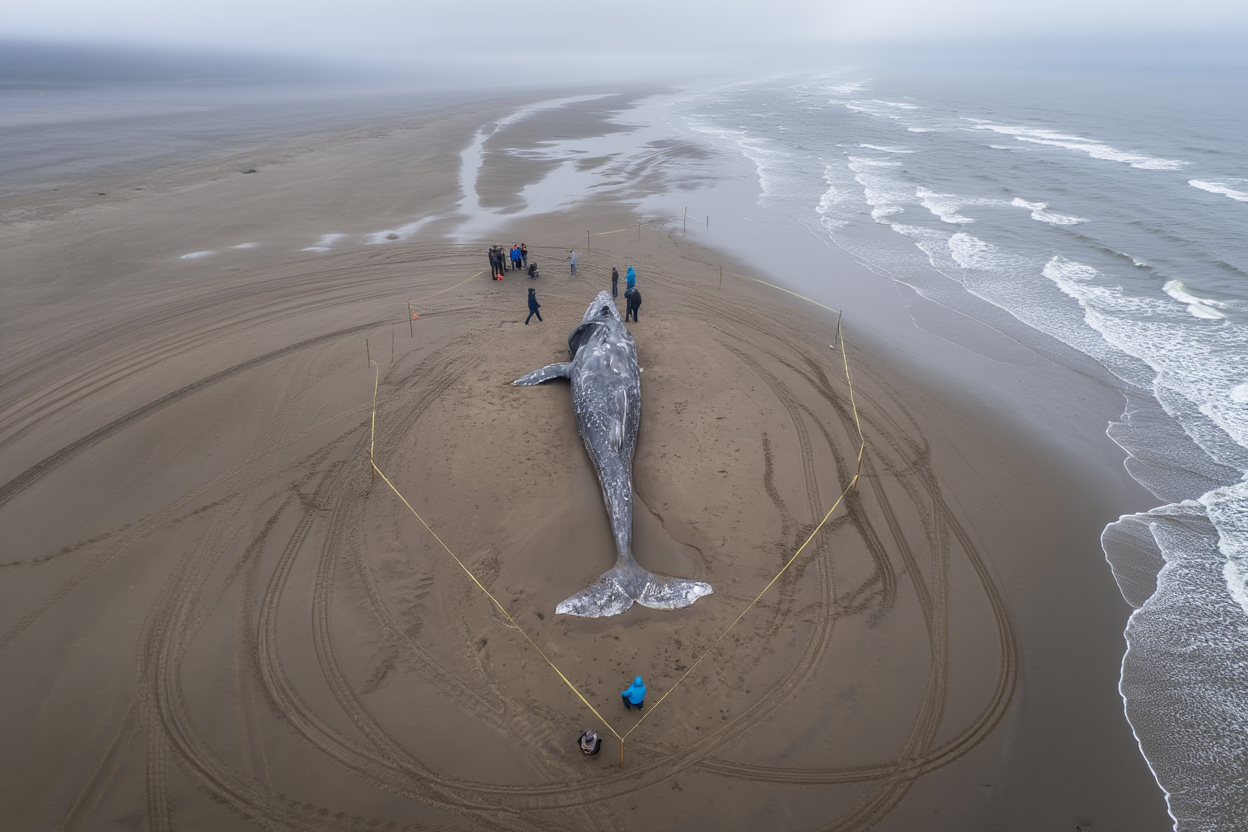
Gray whales undertake one of the longest migrations of any mammal, traveling from Arctic feeding grounds to Mexico’s lagoons each year. Starvation during this journey suggests that the whales are struggling even before they reach breeding or resting areas, putting populations at serious risk.
Marine biologists are closely monitoring the situation, noting that mortality events like this can have long-term impacts on population recovery and ecosystem balance.
Questions for the Future
As whale deaths continue to accumulate, scientists and environmentalists are asking: How many more whales will wash ashore before the oceans reach a breaking point? What steps can be taken to protect Arctic feeding grounds and mitigate the effects of climate change on marine life?
What Can Be Done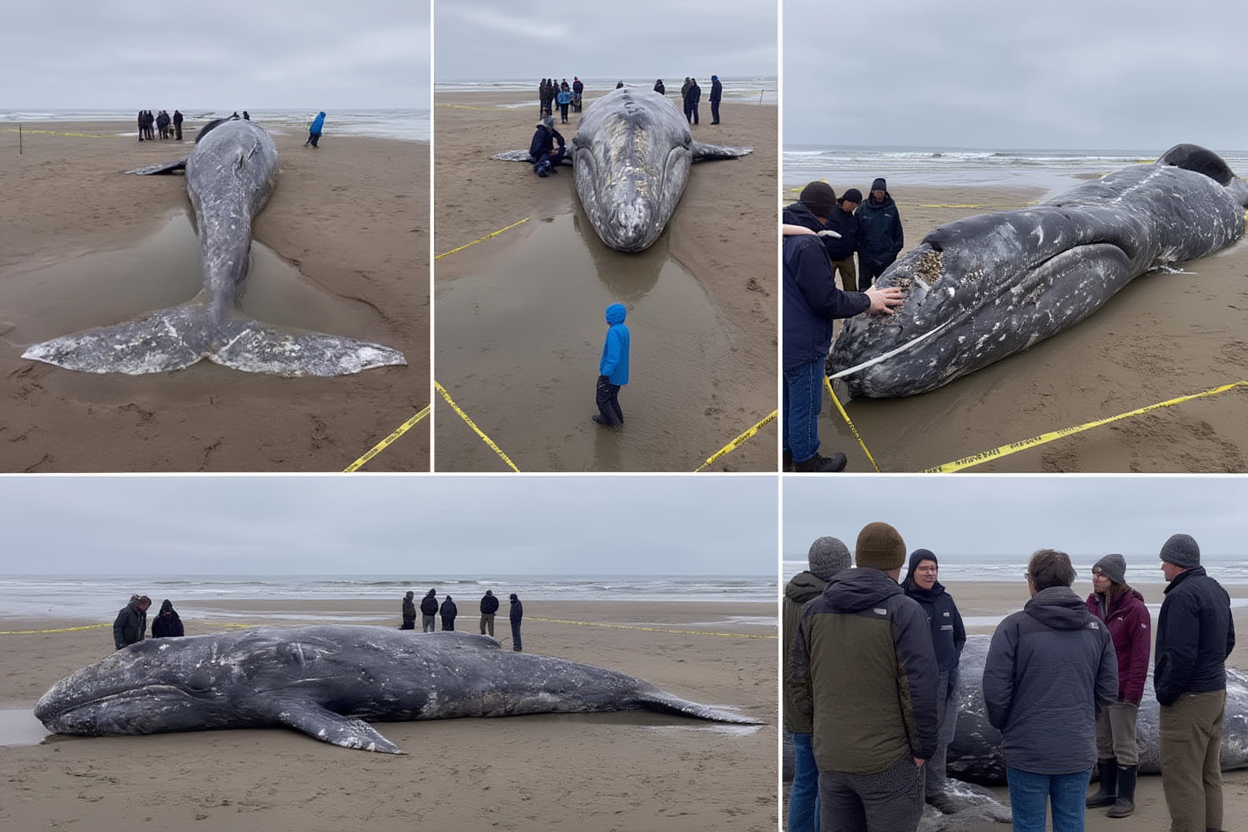
- Supporting research and monitoring programs tracking gray whale health.
- Advocating for climate policies that protect polar and marine ecosystems.
- Raising public awareness about the connection between ocean health and wildlife survival.
The loss of so many gray whales is a stark reminder of the vulnerability of ocean ecosystems in the face of warming seas, melting ice, and changing food webs. Immediate action and continued monitoring are essential to prevent further devastating losses.