Viral Hawaiian Monk Seal Incident Sparks Outrage and Federal Investigation
Viral Hawaiian Monk Seal Incident Sparks Outrage and Federal Investigation
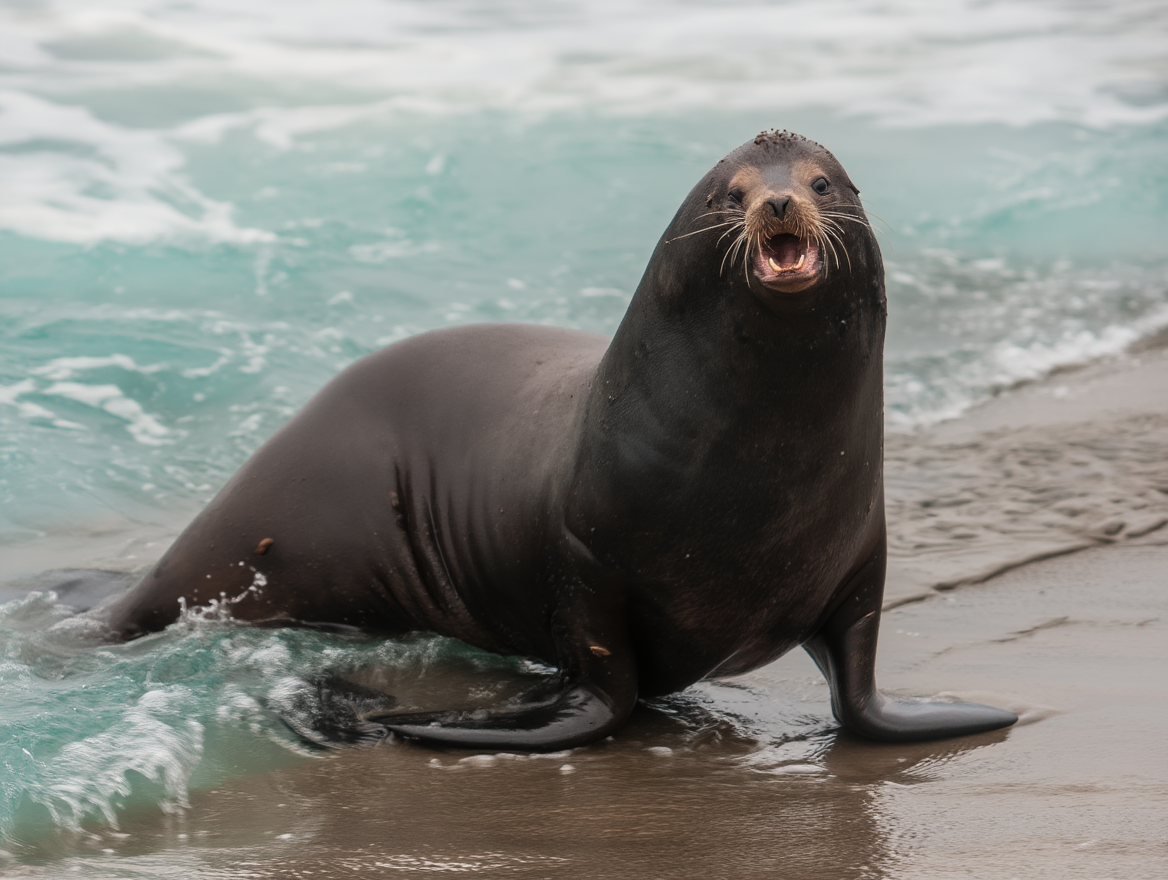
The case of “Lani,” a resting Hawaiian monk seal allegedly struck by a visitor, has ignited nationwide outrage and is now under expanded review by federal wildlife authorities. The incident, captured on video and widely circulated online, has drawn attention to the vulnerability of endangered species and the responsibilities of those who encounter them in the wild.
Federal Scrutiny Intensifies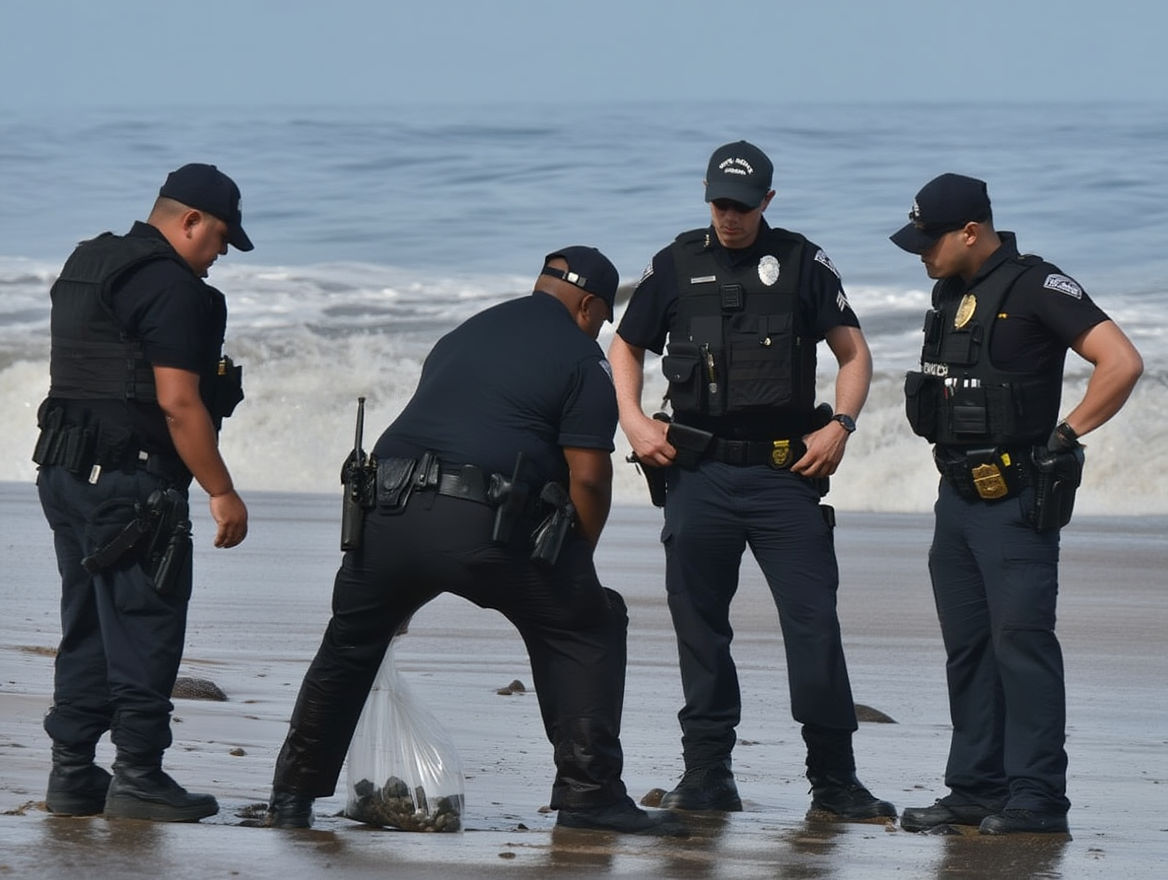
Officials are examining potential violations of federal wildlife protection laws and conducting a detailed forensic review of the video evidence. Investigators aim to determine whether criminal charges are warranted, which could include significant fines and possible prison time for the individual involved.
“This is a serious matter,” said a spokesperson for the National Oceanic and Atmospheric Administration (NOAA). “Hawaiian monk seals are critically endangered, and deliberate harm or harassment will be treated with the utmost severity under the law.”
Public Outrage and Conservation Advocacy
Across the United States, public anger has surged, with conservation groups calling for stronger accountability and stricter enforcement of wildlife protection measures. The incident has sparked broader discussion about responsible tourism, animal cruelty laws, and protections for critically endangered wildlife.
Experts emphasize that incidents like this are not only harmful to individual animals but can also have wider ecological impacts, as Hawaiian monk seals are an important part of marine ecosystems.
A Larger Debate
The Lani case has become a focal point for conversations about how far legal protections should go to safeguard endangered species. Social media discussions, public petitions, and news coverage have amplified the debate, questioning whether current laws are sufficient to prevent future abuse.
The Key Question
As authorities continue their review, the public and conservationists alike are asking: what consequences will this case bring, and who will it set an example for next? The outcome may shape the future of wildlife protection and tourism behavior in Hawaii and beyond.