Hawaiian Monk Seal Incident Sparks Nationwide Outrage and Federal Review
Hawaiian Monk Seal Incident Sparks Nationwide Outrage and Federal Review
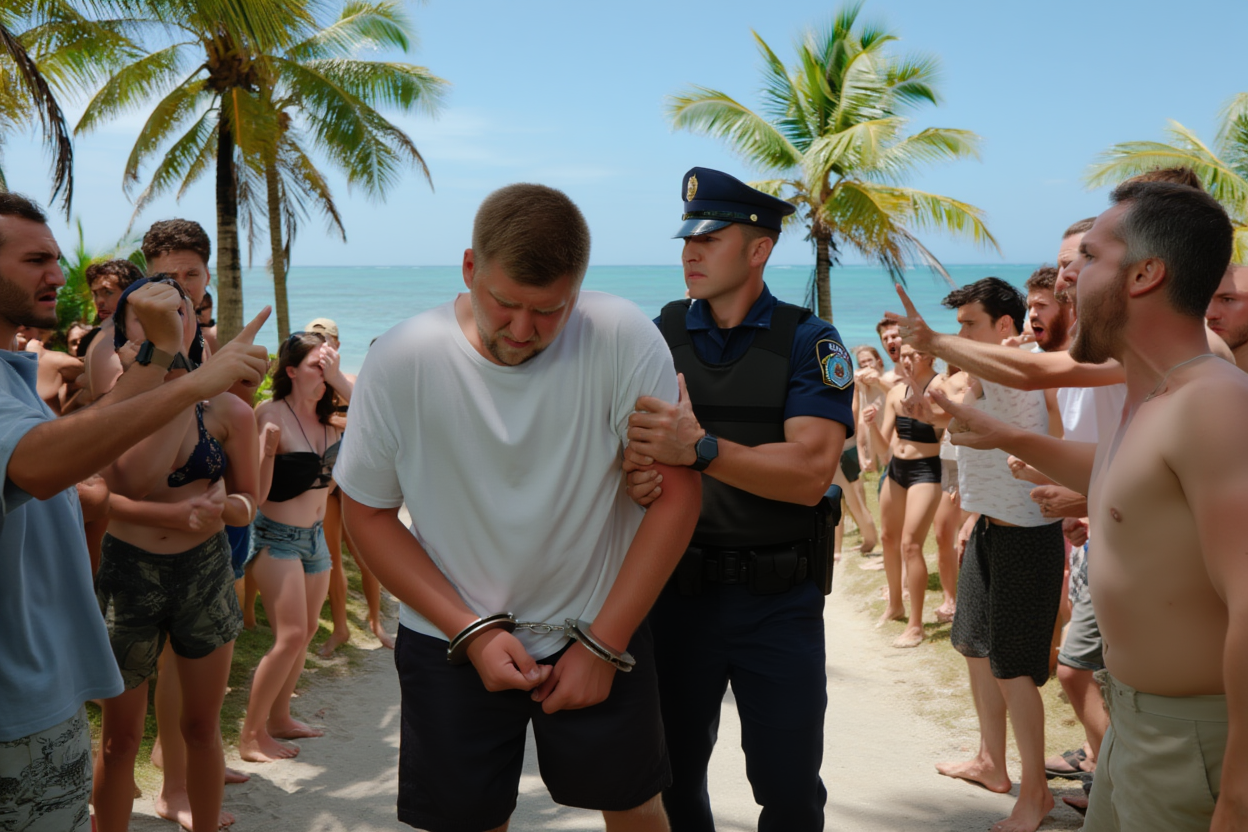
The case of “Lani,” a Hawaiian monk seal allegedly struck by a visitor in Maui, has taken a dramatic turn, capturing national attention and igniting debate across social media. Federal investigators are reviewing the incident, which was captured on video, while public pressure continues to mount for accountability.
Current Status of the Investigation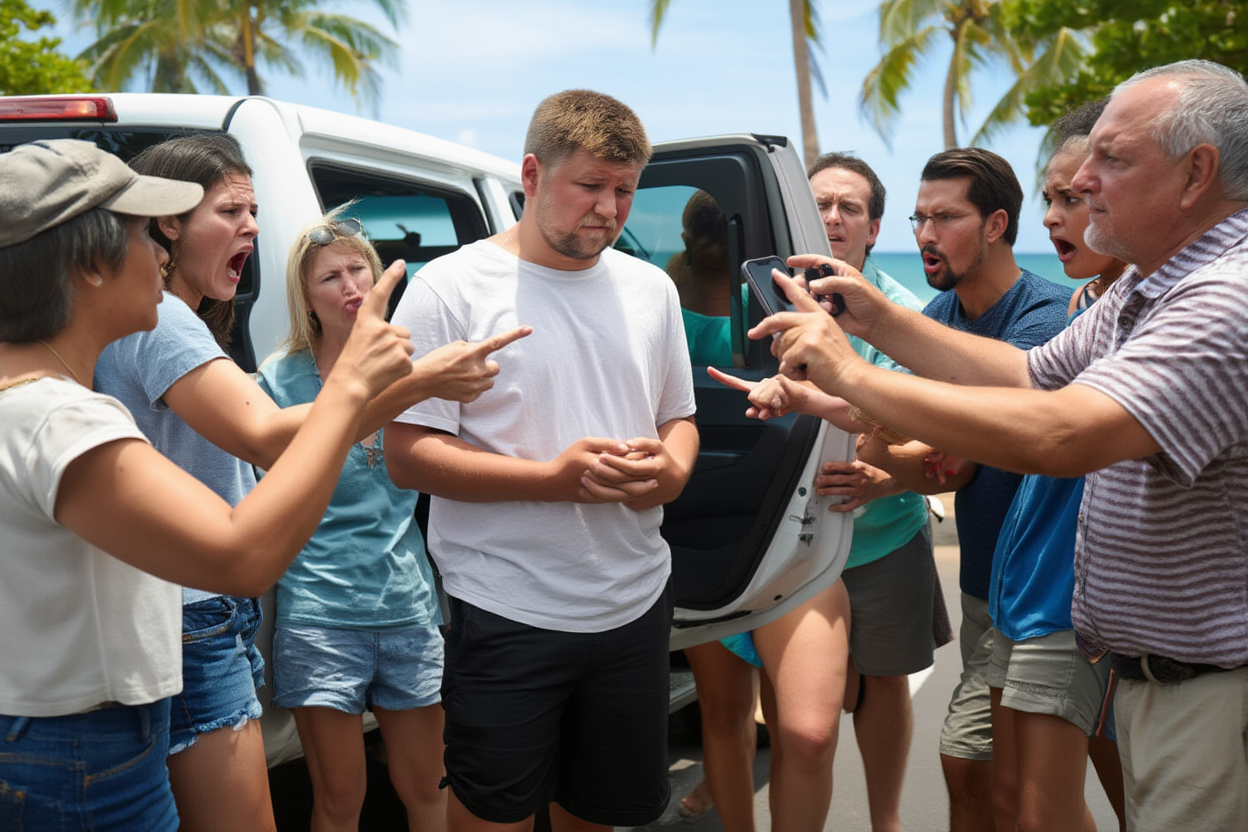
The National Oceanic and Atmospheric Administration (NOAA) is actively reviewing evidence and witness statements to determine whether federal charges are warranted. Potential violations could include harassment or harm to a critically endangered species, which carries serious legal consequences under U.S. wildlife protection laws.
Authorities have stressed that even brief interference with Hawaiian monk seals can have long-lasting impacts on the animals’ health and well-being. With only around 1,600 individuals left in the wild, these seals are among the rarest mammals on Earth.
Public Reaction and Debate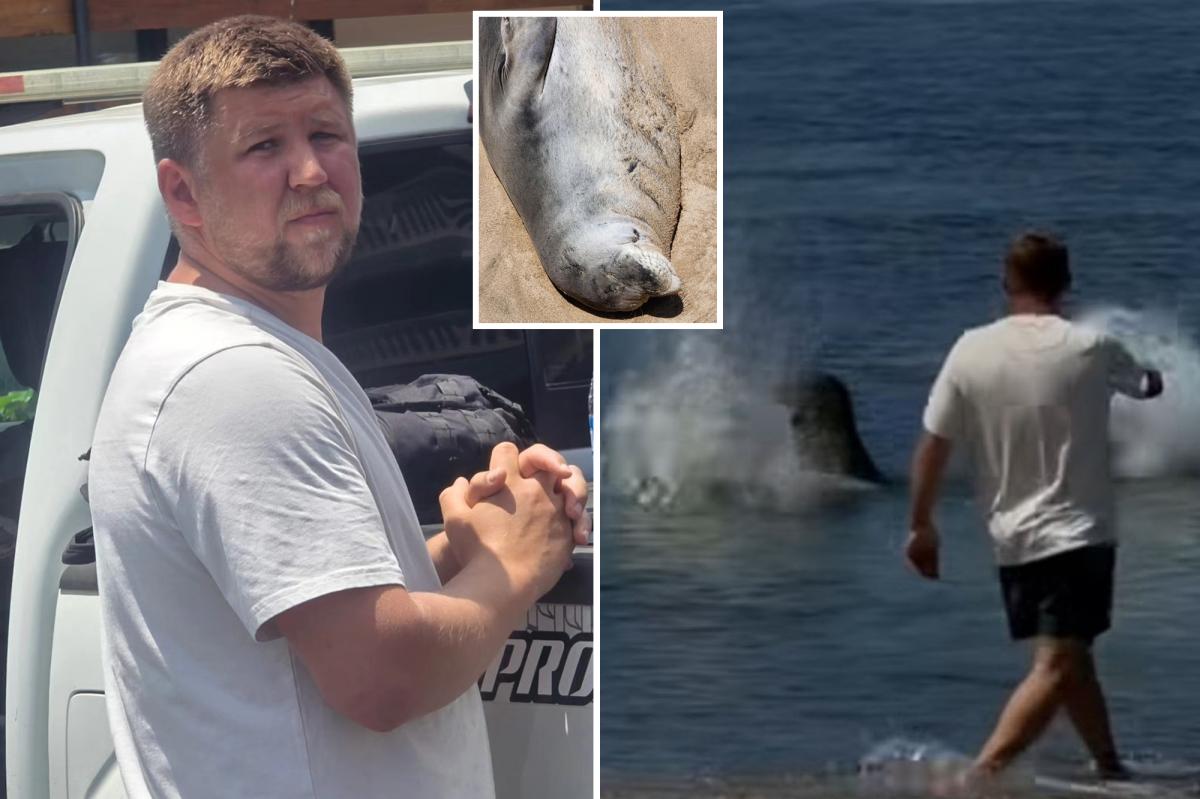
The viral video of the incident has sparked widespread outrage, dividing opinions on social media and prompting conservation groups to call for stronger legal protections. Many are asking whether this case should become a landmark wildlife prosecution, setting a precedent for how the United States treats endangered species.
“This is more than an isolated incident,” said one wildlife expert. “It is a reminder of how fragile our critically endangered species are and the importance of enforcing existing laws to protect them.”
The Larger Implications
The incident has also fueled broader discussions about tourist behavior, wildlife interaction, and the enforcement of animal protection laws. Officials and advocates are hoping the outcome of this investigation will signal to the public that interference with endangered wildlife will not be tolerated.
As NOAA continues its review, the key question remains: Will this case result in a precedent-setting prosecution that strengthens protections for endangered species across the United States?