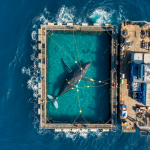
WHEN ARROGANCE MEETS ENDANGERED WILDLIFE: MAUI TOURIST FACES FEDERAL CHARGES FOR ATTACKING HAWAIIAN MONK SEAL
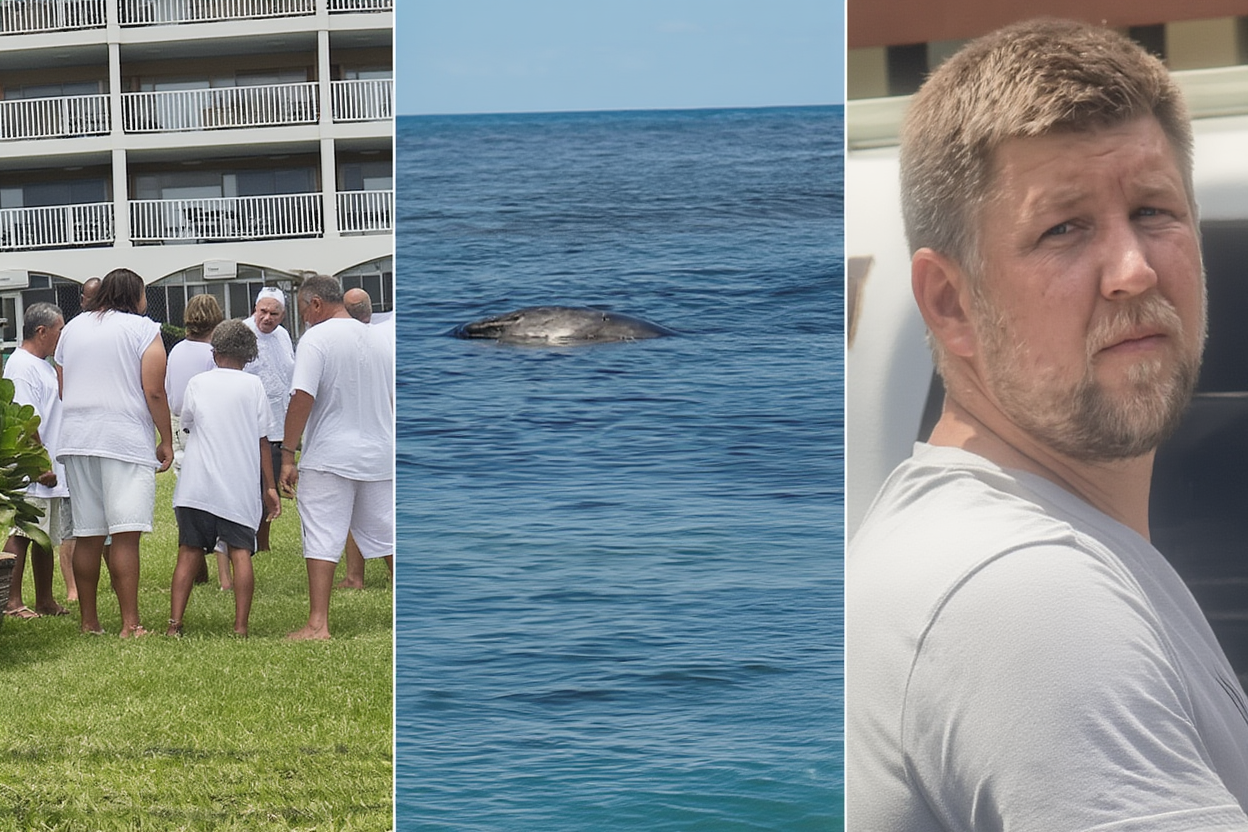
WHEN ARROGANCE MEETS ENDANGERED WILDLIFE: MAUI TOURIST FACES FEDERAL CHARGES FOR ATTACKING HAWAIIAN MONK SEAL
A shocking incident on the beaches of Maui has captured international attention and ignited outrage. A tourist named Igor Lytvynchuk was caught on video throwing a rock, reportedly the size of a coconut, directly at a resting Hawaiian monk seal, one of the rarest marine mammals on Earth. Witnesses say the seal was critically endangered, and the attack could have caused fatal injury.
According to reports, onlookers pleaded with Lytvynchuk to stop, but he allegedly brushed them off, claiming that his wealth made him immune to consequences. “I don’t care, I’m rich. I can pay any fine,” he reportedly said. His brazen attitude, however, did not go unchallenged. Local residents, fiercely protective of Hawaii’s wildlife and cultural heritage, tracked him down and confronted him, emphasizing the seriousness of his actions and the importance of respecting the sacred island and its fragile ecosystem.
Federal authorities have now taken over the investigation. Lytvynchuk faces possible violations of the Endangered Species Act and the Marine Mammal Protection Act, with potential penalties including up to a year in prison. Legal experts note that this case demonstrates how quickly federal law can act when critically endangered species are threatened, and how public vigilance plays a key role in wildlife protection.
Hawaiian monk seals are among the rarest marine mammals in the world, with only slightly over a thousand individuals remaining in the wild. Their survival is not only a matter of conservation law but also a cultural and ecological priority for the people of Hawaii. Violent acts against these animals are considered deeply disrespectful, not only to nature but also to the traditions and values of the local communities.
The incident has sparked a widespread conversation about the responsibilities of tourists, the limitations of wealth, and the importance of protecting endangered species. Many on social media have praised the locals who intervened, calling them heroes for defending Lani, the seal, and ensuring that such reckless behavior does not go unchallenged. Others have debated the ethics of citizen intervention, but nearly everyone agrees on the urgent need for awareness and education regarding wildlife protection.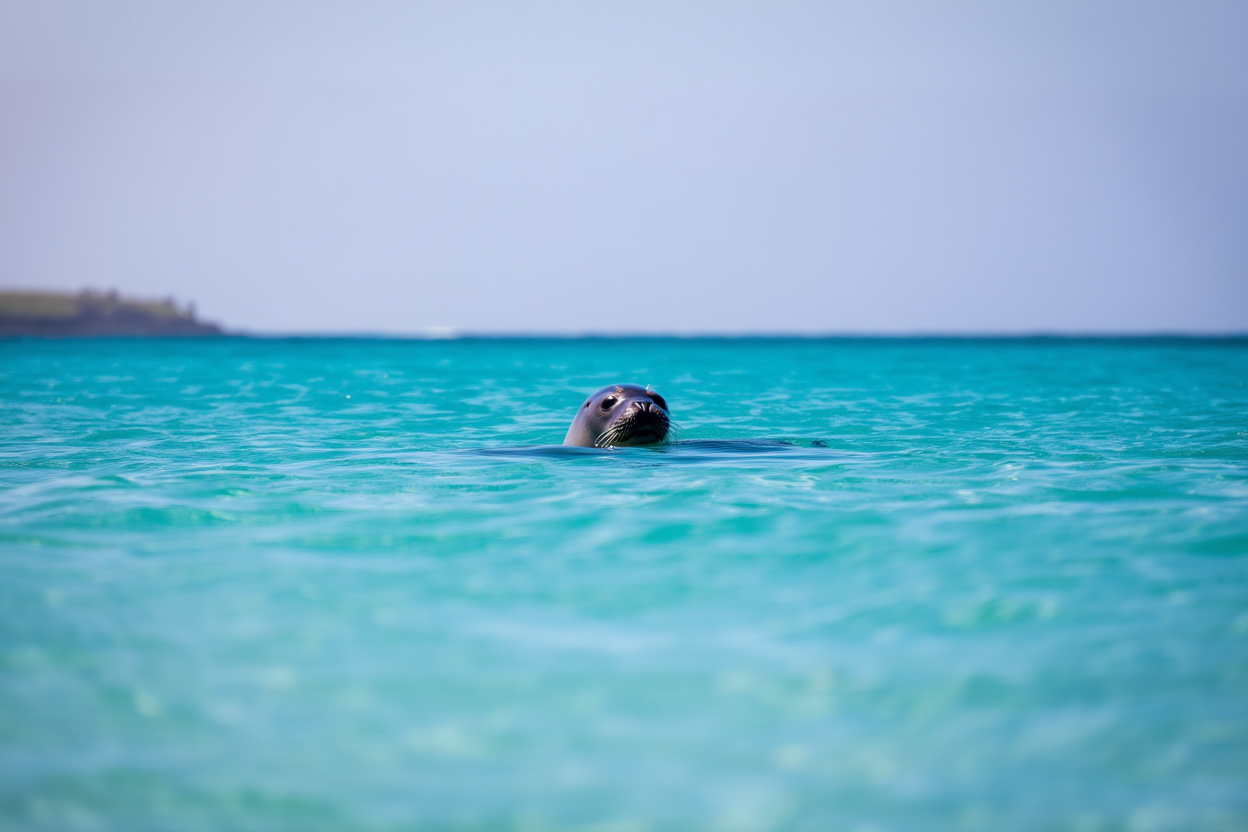
“This is a powerful reminder that money cannot buy a free pass to abuse nature,” says Dr. Leilani Kanoa, a marine conservationist in Hawaii. “Every endangered seal matters. Protecting them is not just about laws; it’s about preserving a unique ecosystem and honoring a culture that has coexisted with these animals for centuries.”
As federal authorities continue their review, this case serves as a cautionary tale for anyone visiting fragile ecosystems around the world. Disrespecting wildlife is not only illegal but also morally and culturally unacceptable. The story of Lani, the monk seal, highlights the importance of vigilance, community involvement, and legal enforcement in safeguarding the planet’s most vulnerable creatures.
The takeaway is clear: wealth and arrogance cannot override responsibility. Nature is protected not just by law, but by the people who value it — and in Hawaii, those protectors are watching.