The Warning Sign Every Parent Needs to Know: Navy Lawrence’s Fight for His Sight
The Warning Sign Every Parent Needs to Know: Navy Lawrence’s Fight for His Sight
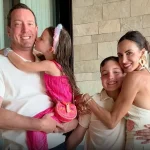
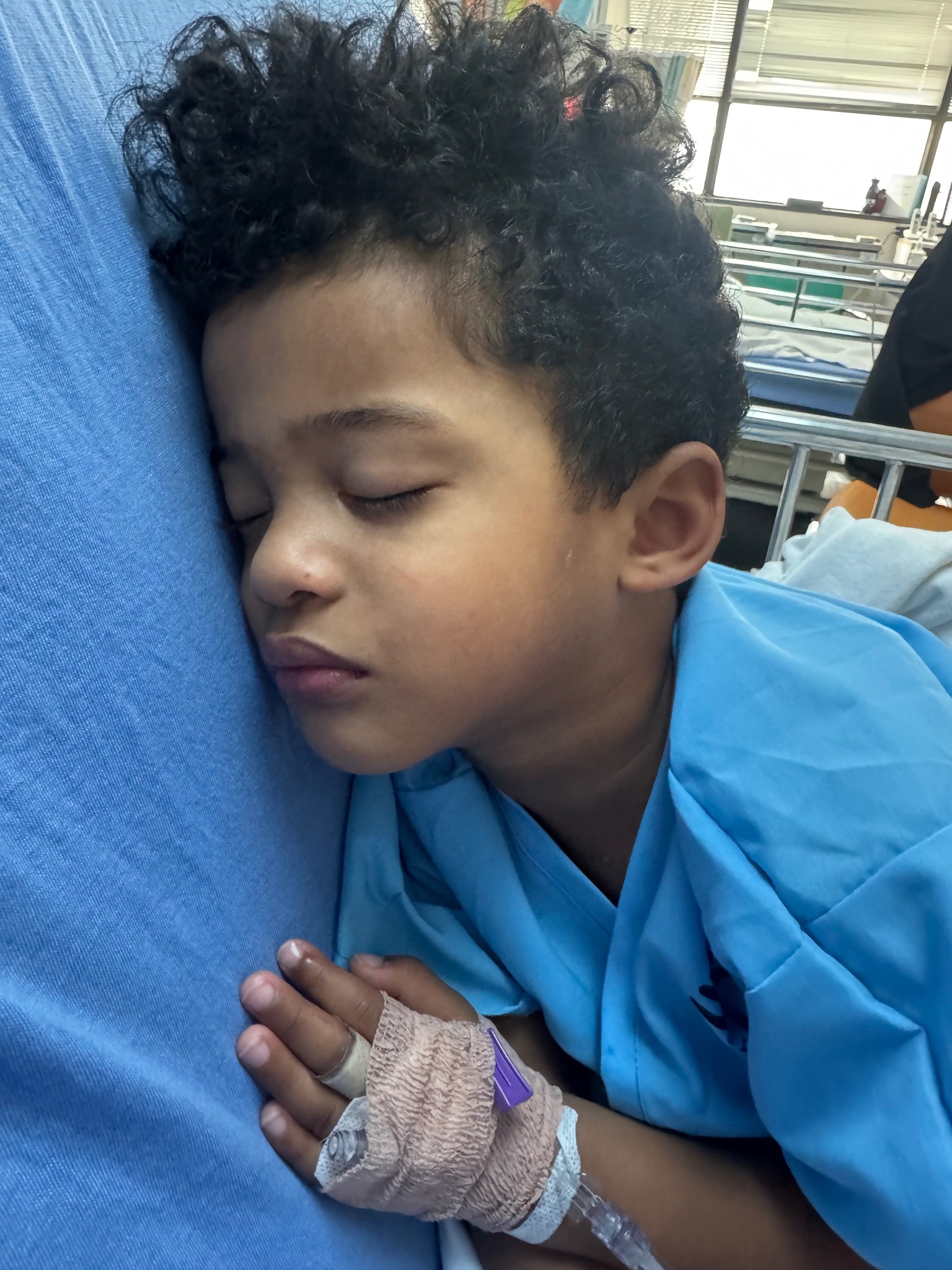
In San Antonio, Texas, a mother named Bianca is living through a reality that began with a detail so subtle it nearly went unnoticed. Her three-year-old son, Navy Lawrence, began to experience a slight inward turn of his eye. It seemed like a minor optical issue, perhaps a common childhood squint, but a mother’s intuition signaled that something deeper was wrong. That small physical shift led to an urgent emergency room visit, shattering the peace of their lives with a diagnosis no family is ever prepared to receive: Retinoblastoma, a rare and aggressive form of eye cancer.
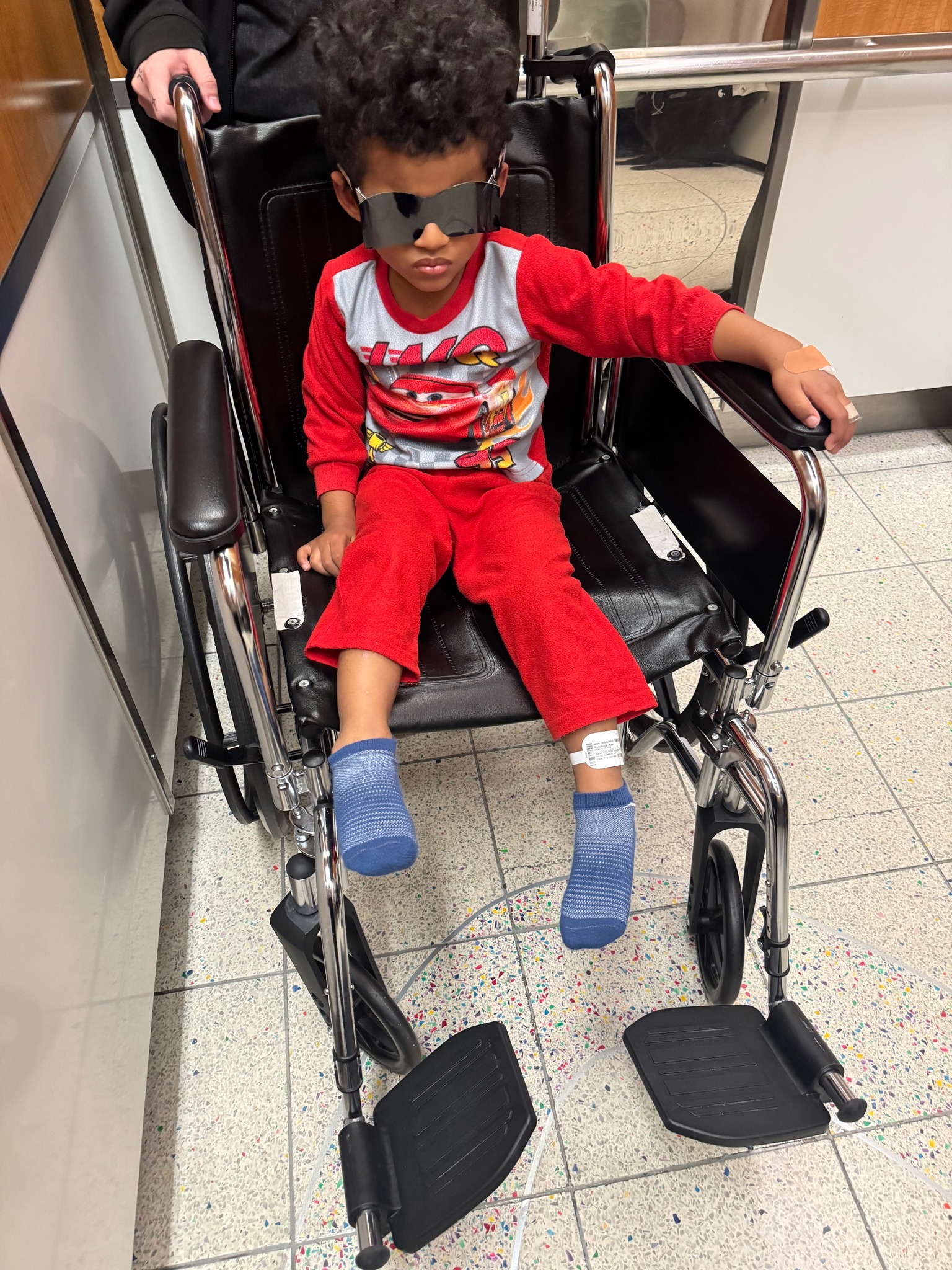
The medical journey since that day has been an exhausting marathon of physical and emotional endurance. Because San Antonio lacks the specialized pediatric oncologists required for this specific condition, Bianca and Navy must travel back and forth to Houston for treatment. During one of the most devastating consultations, doctors revealed the severity of the situation through imaging that showed Navy’s retina has become completely detached. For Bianca, describing the weight of those conversations is impossible; it is a unique kind of maternal agony to sit in a sterile room and listen to the technical details of a disease threatening your child’s future.
Adding to the family’s burden is a terrifying genetic uncertainty. Because certain forms of Retinoblastoma are linked to rare genetic mutations, doctors have mandated that Navy’s twin brother be screened immediately. The thought of one child battling cancer is enough to break a heart, but the looming possibility that his twin might face the same fate is an almost unbearable weight to carry. The family is now caught in a liminal space of waiting, praying that the mutation is not shared, even as they fight for Navy’s survival.
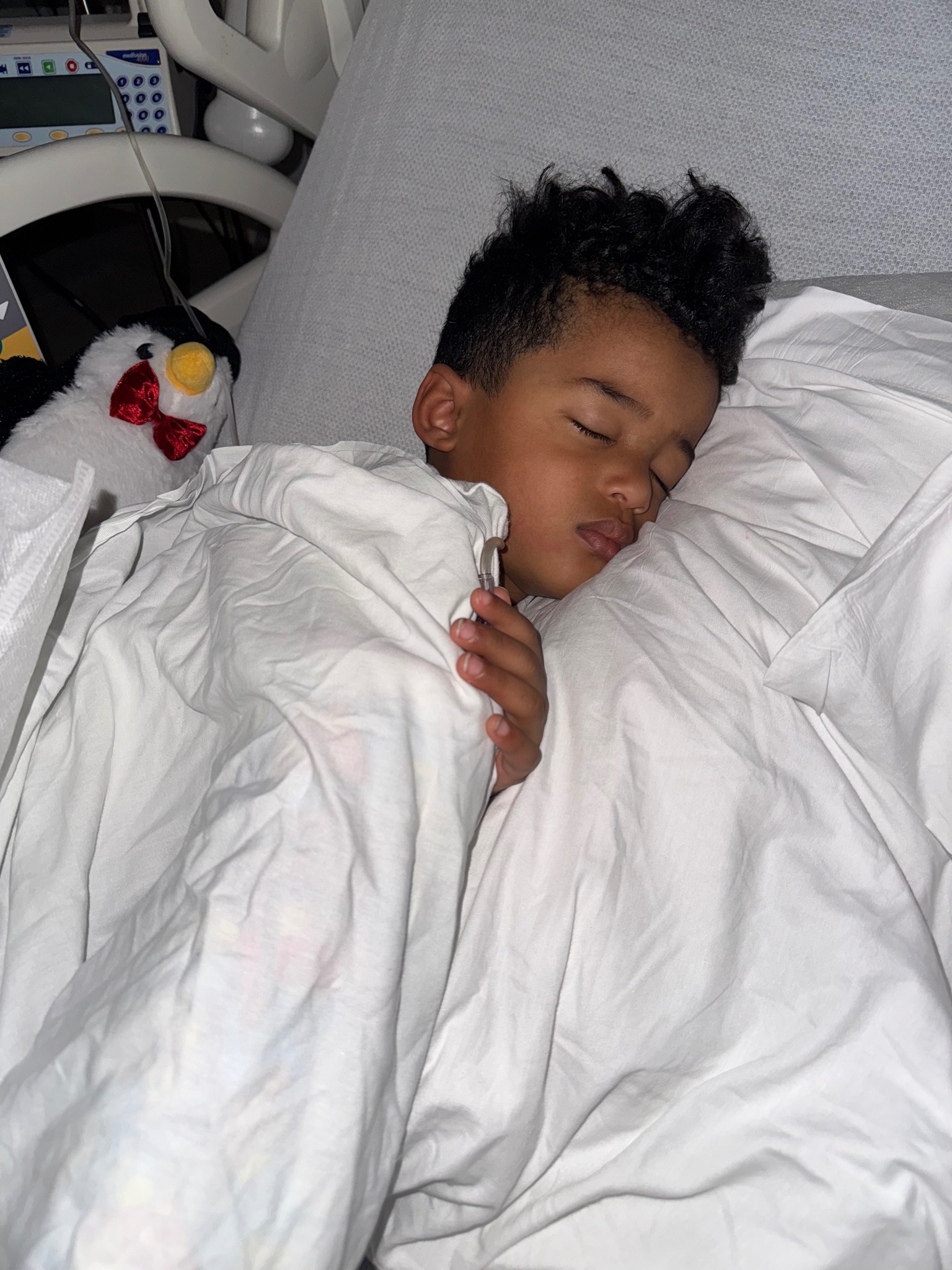
Through the fear and the overwhelming logistics of specialized medical care, Bianca remains anchored by her faith and a profound observation about her son’s spirit. She believes that Navy is shielded by his own innocence; he does not yet grasp the gravity of the machines, the long drives, or the high stakes of his diagnosis. While the adults around him carry the heavy burden of realization, Navy continues to exist in a world of childhood wonder. Bianca insists that fear will not have the final word in her son’s life, standing as a testament to the resilience of a parent who refuses to let a diagnosis define her family’s story.