Inside the Quiet Brotherhood of Sylvester Stallone and the Late John Amos
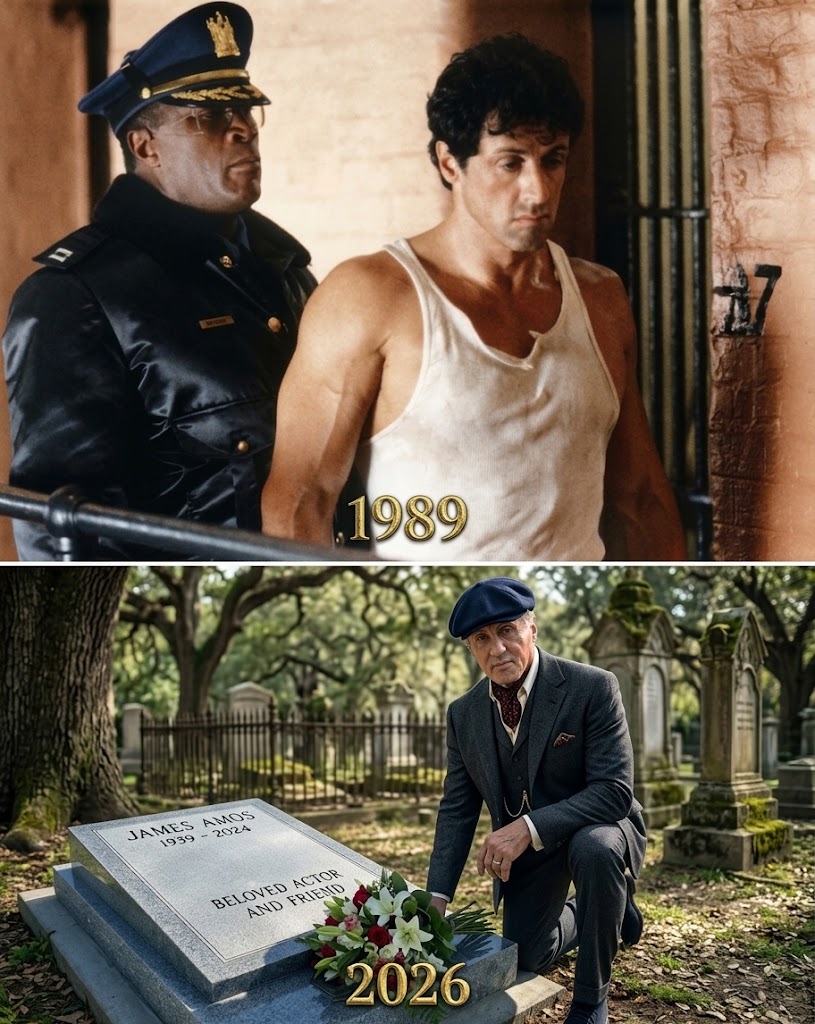
Inside the Quiet Brotherhood of Sylvester Stallone and the Late John Amos
Some films are built entirely on massive explosions. Others are built on the quiet, unyielding strength of men. The 1989 prison drama Lock Up was one of those rare films. Released at the absolute peak of Sylvester Stallone’s global fame, the movie arrived during an era when audiences expected him to be an invincible, almost mythological figure. He was the face of modern action cinema, a name that could sell out theaters anywhere in the world. But Lock Up did something entirely different; it stripped away the Hollywood mythology and placed Stallone behind cold steel bars.
Inside that pressure cooker of cinematic violence stood John Amos. As Captain Meissner, Amos brought something incredibly rare to the screen: true authority without the need for theatrical performance. He possessed a deep, measured voice that could instantly quiet a room. Whether audiences knew him from Roots or Coming to America, Amos had a gift for making every character feel human, dignified, and layered. In Lock Up, his scenes with Stallone gave the film its emotional gravity, creating a powerful dynamic based on restraint rather than shouting.
That shared on-screen tension forged a deep, lifelong mutual respect that lingered long after the cameras stopped rolling. Both men understood the reality of professional struggle. Stallone knew the humiliation of poverty before Rocky changed his life, while Amos spent decades navigating an industry that underestimated Black actors. They both fought for their success. Decades later, when John Amos passed away at the age of eighty-four, the loss hit Stallone deeply, marking the end of a quiet brotherhood.
Stallone’s subsequent private visit to Amos’s final resting place carried immense weight precisely because it was done without media attention or social media performance. It reflected a bygone Hollywood generation that valued loyalty and character over digital clout. Stallone knew that Amos had made him a better actor simply by sharing the frame with him. In the end, that quiet moment at the grave was a final, dignified salute between two cinematic warriors who survived the pressures of fame without ever losing their humanity.