Why a Single 1994 Street Fighter Set Photo Still Haunts an Entire Generation
Why a Single 1994 Street Fighter Set Photo Still Haunts an Entire Generation
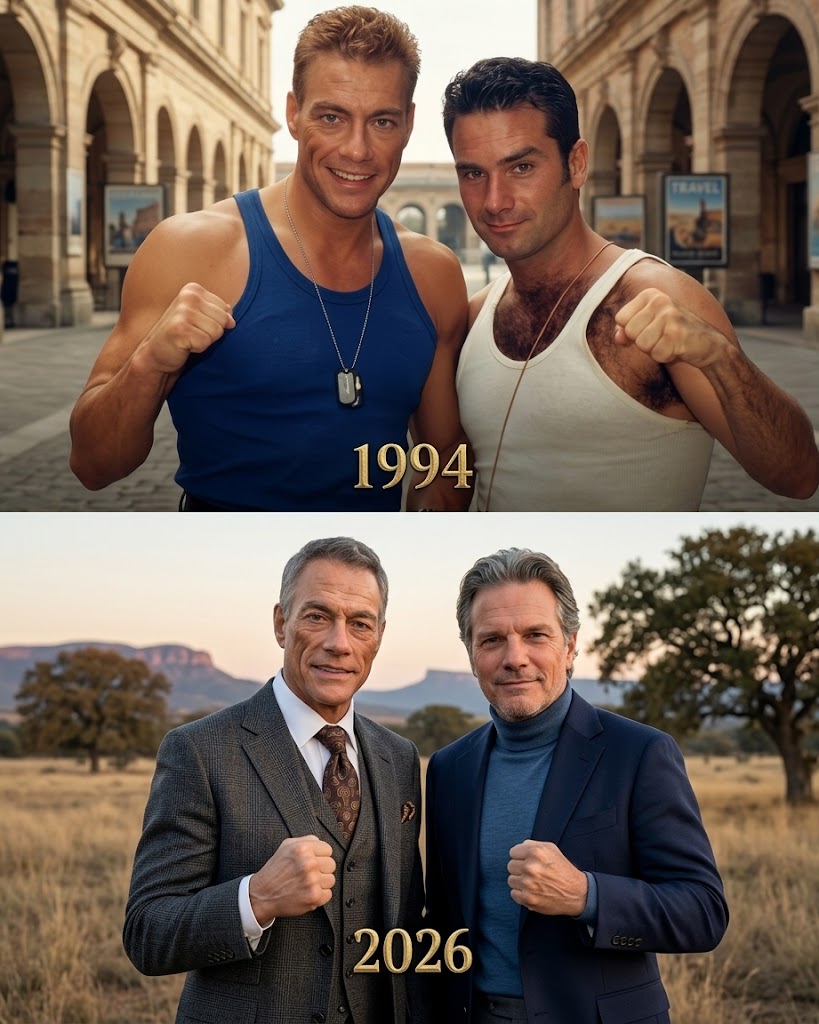
There is a particular kind of magic hidden inside behind-the-scenes photographs from the 1990s—the kind that captures not only actors promoting a movie, but an entire era standing confidently in front of the camera before the world changed forever. This image from the set of Street Fighter in 1994 does exactly that. Jean-Claude Van Damme and Damian Chapa raise their fists side by side, smiling with the easy confidence of two men fully aware they are participating in something enormous: the collision between arcade culture and Hollywood action spectacle at the precise moment both were dominating popular culture.
At first glance, the photograph feels simple. Two actors. Two fists raised. Two iconic characters brought to life. But the longer you look at it, the more it becomes a time capsule from an era when action movies were loud, colorful, unapologetically theatrical, and completely sincere about heroism.
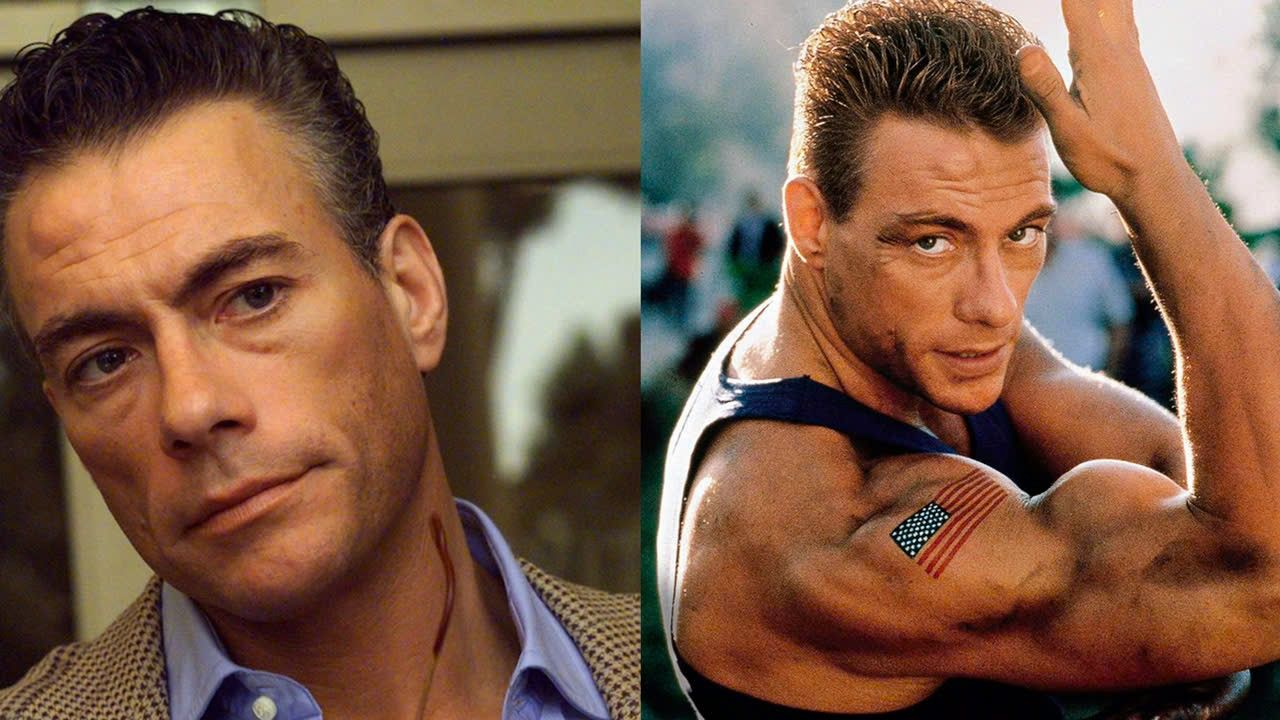
Jean-Claude Van Damme stands on the left as Colonel Guile—the American military hero with the impossible blond flattop haircut, the broad shoulders, and the unmistakable physical presence that defined action cinema during the late 1980s and early 1990s. By the time Street Fighter entered production, Van Damme was no longer simply a martial artist trying to break into Hollywood. He had already become one of the defining faces of the genre itself through hits like Bloodsport, Kickboxer, Lionheart, Double Impact, Universal Soldier, and Timecop.
In Street Fighter, he transformed Guile from a collection of video game pixels into a full-scale action hero designed for the giant screen. Standing beside him is Damian Chapa as Ken Masters, one of the franchise’s most beloved fighters. If Guile carried military precision, Ken represented freedom and swagger. Damian Chapa brought exactly that energy into the film. Younger, looser, more rebellious, his performance carried the spirit of an era when action heroes could still smile in the middle of explosions and throw punches with complete confidence that good would somehow prevail in the end.
What makes this photograph so nostalgic today is not whether Street Fighter succeeded critically. It is the atmosphere surrounding it. The film belongs to a period when studios genuinely believed video games could become giant cinematic adventures powered by charisma, muscles, practical effects, and sheer entertainment value. Before superhero universes dominated theaters, movies like Street Fighter existed in a strange, glorious space where martial arts stars, arcade legends, oversized villains, and explosive set pieces could all coexist without apology.
Looking back more than thirty years later, this image carries another layer entirely: youth frozen permanently inside a frame. Van Damme at the peak of international stardom. Damian Chapa stepping into one of the biggest productions of his career. Two men standing shoulder to shoulder before audiences fully understood how nostalgic the 1990s itself would eventually become.
Because nostalgia changes everything. What once looked like ordinary studio publicity now feels like evidence from another cinematic age—an era of practical explosions, crowded arcades, VHS rentals, martial arts heroes, and action films that wore their sincerity proudly. There is no irony in their expressions here. No self-awareness. Just excitement, confidence, and the belief that movies were supposed to entertain as loudly as possible.
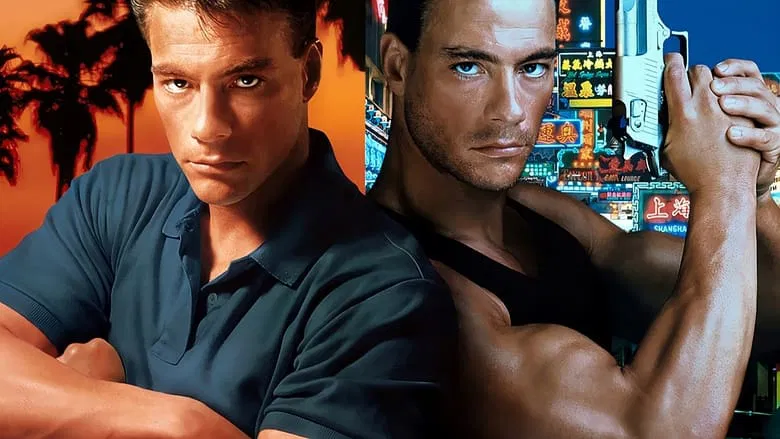
And perhaps that is why photographs like this continue to survive online decades later. Not because Street Fighter was flawless, but because it reminds people of who they were when they first watched it. The theaters. The arcade machines. The posters on bedroom walls. The afternoons spent memorizing special moves and arguing over favorite characters. The years when heroes stood with raised fists and impossible confidence beneath bright studio lights. Some films survive through awards. Others survive through memory. And somewhere inside this 1994 photograph, Jean-Claude Van Damme and Damian Chapa are still standing together between takes—smiling, fists raised, completely unaware that decades later an entire generation would look back at that moment not just as promotion for a movie, but as a surviving fragment of the last great age of classic action cinema.