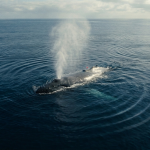
TIMMY THE HUMPBACK WHALE – A TALE FROM THE NORTH SEA
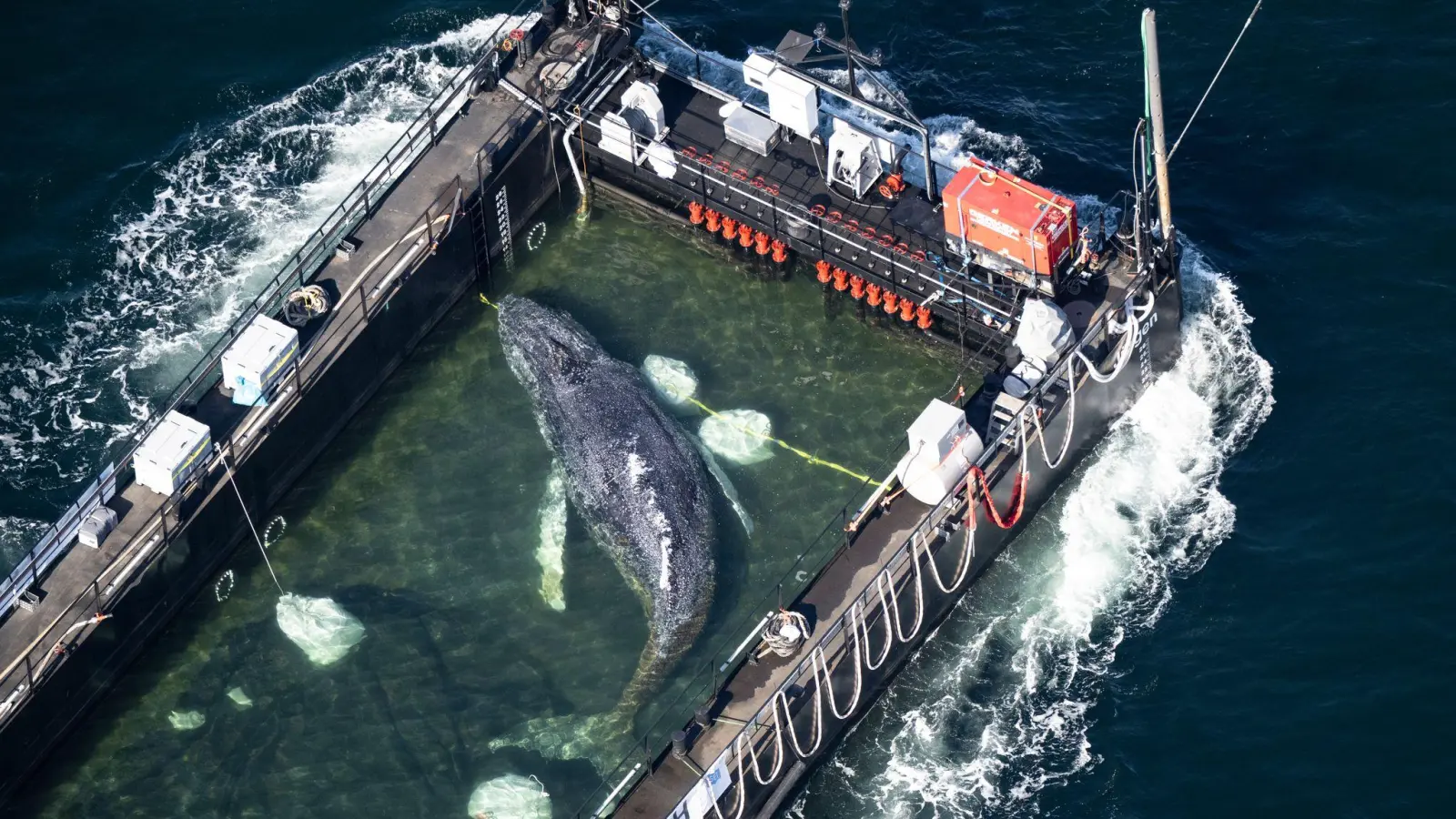
TIMMY THE HUMPBACK WHALE – A TALE FROM THE NORTH SEA
The story of Timmy, a humpback whale in the North Sea, continues to capture attention in Denmark and across the world. Recently, the Danish Environmental Agency decided not to recover the whale carcass, allowing nature to take its course. Rather than being moved or preserved for display, Timmy will become a vital source of food for marine life, contributing to the natural ecological cycle. 🪸
Yet, the story doesn’t end there. A closer examination of Timmy’s underside revealed that the whale is likely female, raising questions about reproduction, population, and the survival of the species.
Slow Response and Lessons from Nature
Timmy was initially monitored with hopes of rescue. However, the case highlights a hard truth: rapid coordination can make a life-or-death difference in whale strandings. Experts emphasize that timely ntervention could have altered the outcome, offering a critical lesson on preparedness, response, and collaboration when dealing with nature.
Humans – The Hidden Threat
Beneath the tragedy lies a more troubling reality: human activity remains a major threat to marine life. Many whale strandings are linked to human impact:
- Ghost nets: abandoned fishing nets continue to entangle whales and other marine animals.
- Ship strikes: high-speed vessels on busy sea routes injure or kill whales.
- Pollution and underwater noise: disrupt whales’ navigation, communication, and survival.
This serves as a stark reminder that our oceans and marine creatures are not immune to human influence, and every decision in protecting the environment counts.
Timmy – More Than a Whale
Timmy has now become a symbol of ecological responsibility and awareness. The whale represents not just a single life, but a call to action for the global community to protect oceans and wildlife. The story encourages everyone—from local communities and fishermen to scientists and policymakers—to work together to reduce risks to marine life.
The Future of Whale Strandings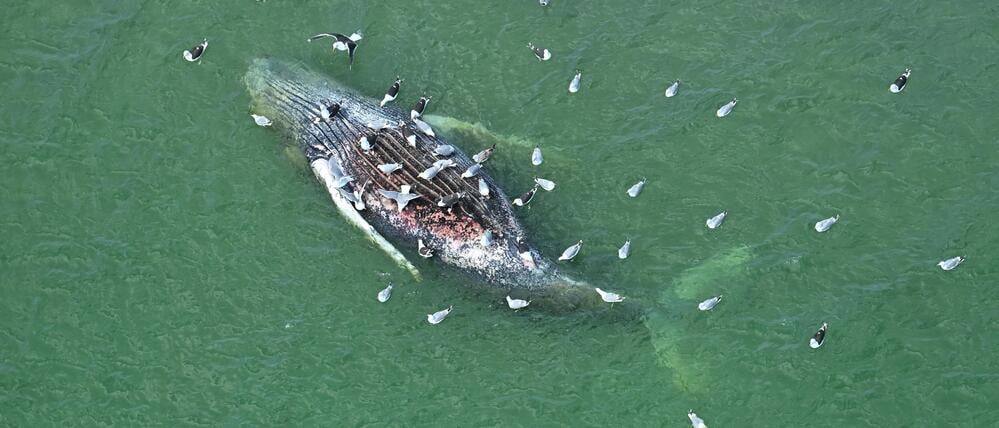
Experts recommend several measures to reduce whale strandings and fatalities:
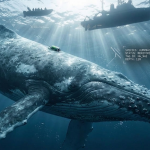
- Enhanced ocean monitoring: using drones, GPS trackers, and new technologies to monitor whales.
- Professional rescue teams: ready to intervene immediately with proper equipment and training.
- Community awareness programs: educating about ghost nets, plastic pollution, and responsible interaction with marine life.
While Timmy will serve as a food source for marine creatures, its story carries a far deeper lesson for humanity: we can learn from nature, but we must also protect it from our own impacts.
Timmy’s story is not just a marine news report – it is a global reminder of human responsibility toward the ocean and the species facing extinction.