RIP Timmy: The Journey of a Whale and the Compassion of Humanity
RIP Timmy: The Journey of a Whale and the Compassion of Humanity
Timmy – the lost humpback whale in the Baltic Sea
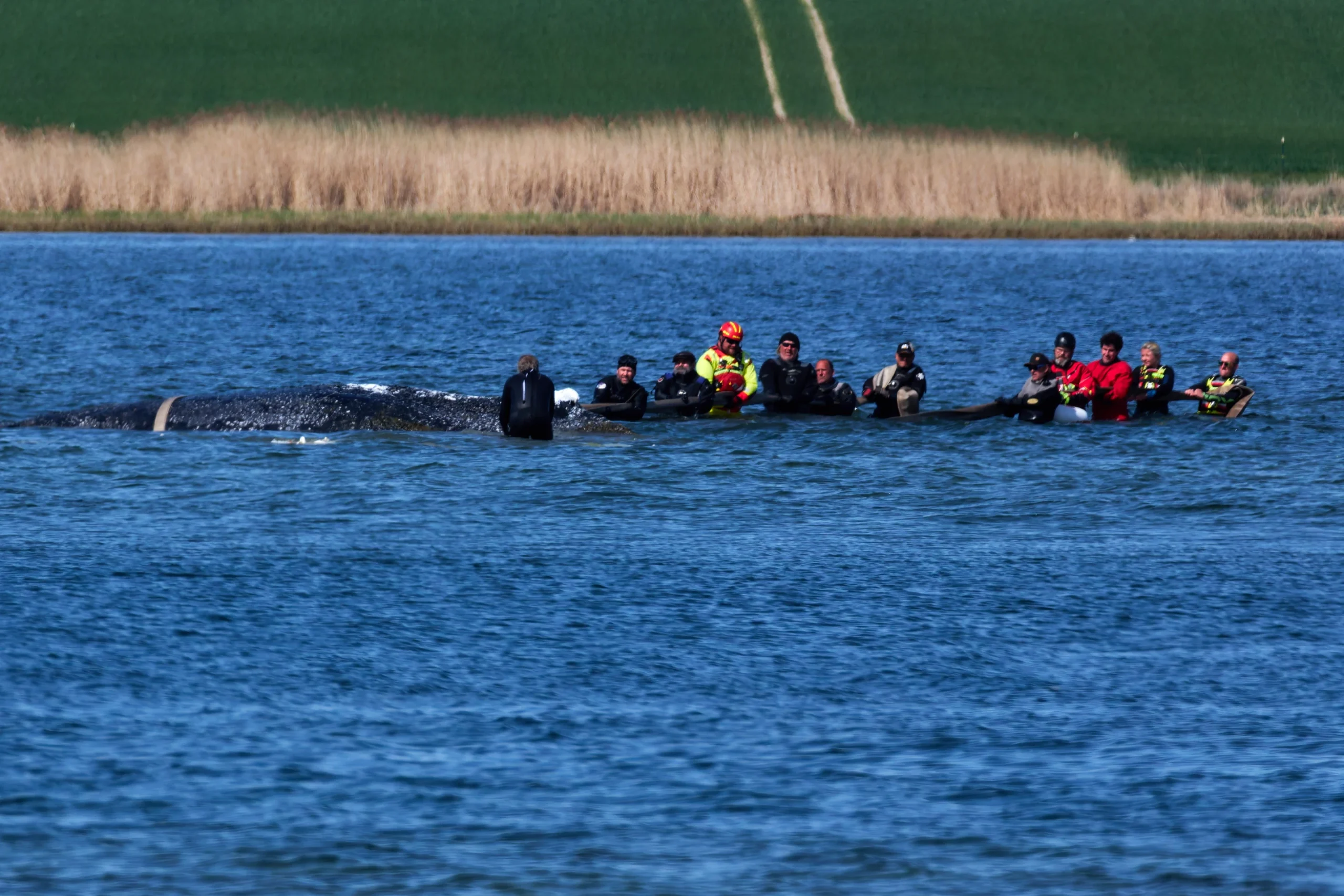
In the early days of [insert exact date], residents along the northern German coast noticed a “giant stranger” swimming in the cold waters of the Baltic Sea. The humpback whale, later named Timmy, had ventured far from its natural habitat, appearing in areas of shallow mudflats and coastal waters unfamiliar to its species.
Immediately, images and videos of Timmy spread like wildfire across social media. Some asked: “Was it worth rescuing a whale stranded like this?” But for many, the answer was clear: “If we can do something, we should.”
A race against time and bureaucracy
Timmy’s rescue effort was far from simple. Authorities and wildlife rescuers faced numerous challenges: lengthy administrative procedures, legal restrictions, and the immense difficulty of moving a massive marine mammal without causing further harm. Weeks of hesitation increased the risks to Timmy’s health.
Experts have suggested multiple possible causes for Timmy’s death: natural illness, a digestive system blocked by plastic debris, or stress from the rescue operations. Although the exact cause remains unknown—no autopsy has been publicly released—Timmy did not die on the muddy shore, where every eye would have witnessed a slow, painful end.
Human compassion – a small miracle
Even though Timmy did not survive, its story awakened humanity. Captain Paul Watson, a renowned conservationist, reflected:
“Some said leave the whale to die; death was inevitable. Others rallied, for different reasons. What was encouraging was the public’s sentiment: people cared, and some cared enough to get involved physically to try to save Timmy.”
Millions around the world followed every movement, every struggling swim of the whale. Media outlets and social platforms became a bridge between humans and nature, a reminder that even small acts of concern and action carry immense meaning.
A bigger message from one small life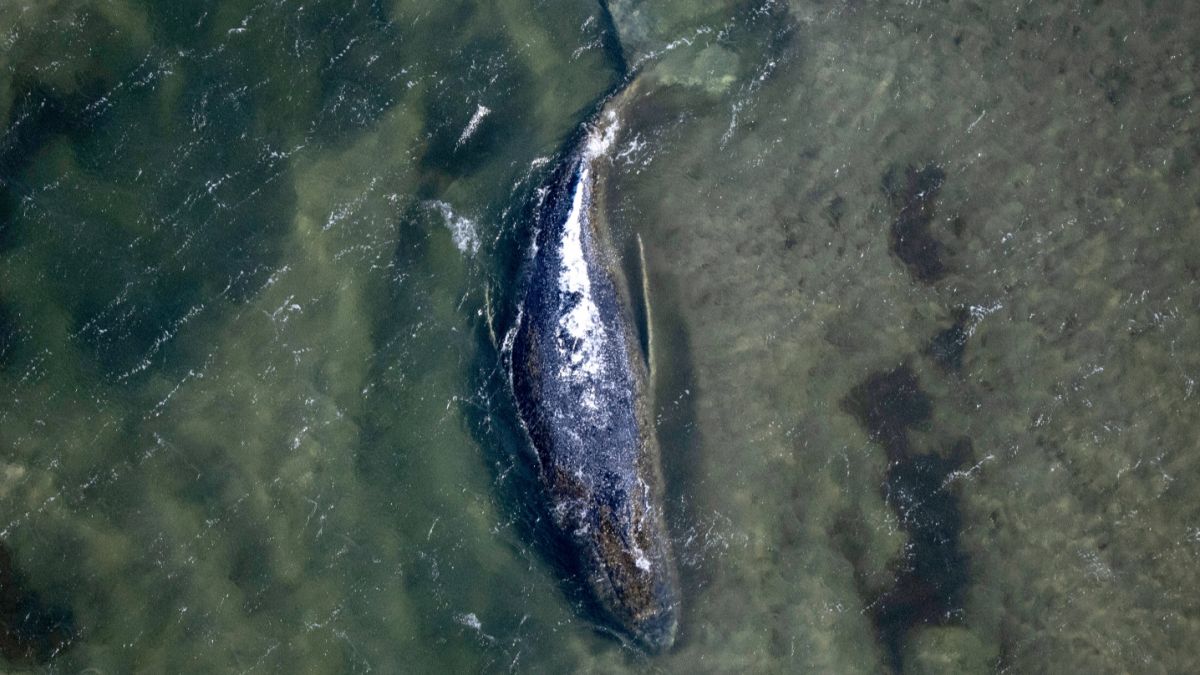
Timmy’s story is not just a tragedy of a lost whale; it’s a reminder of the thousands of marine creatures dying in fishing nets, suffocating on plastic waste, or threatened by climate change. It raises a pressing question: how much more can we do to protect the voiceless creatures of our planet?
A few weeks of concern and effort may plant a seed in the human heart. Timmy, though gone, leaves an invisible legacy: compassion, empathy, and awareness of our responsibility to the Earth.
Conclusion
Timmy is no longer with us, but its story lives on. From the cold shores of Germany to every corner of the globe, the message resonates: if we care, if we act, we can make the world a better place—not just for one whale, but for all living beings on this planet.