ANIMAL CRUELTY — A DEBATE THAT TOUCHES THE HEART OF SOCIETY
ANIMAL CRUELTY — A DEBATE THAT TOUCHES THE HEART OF SOCIETY
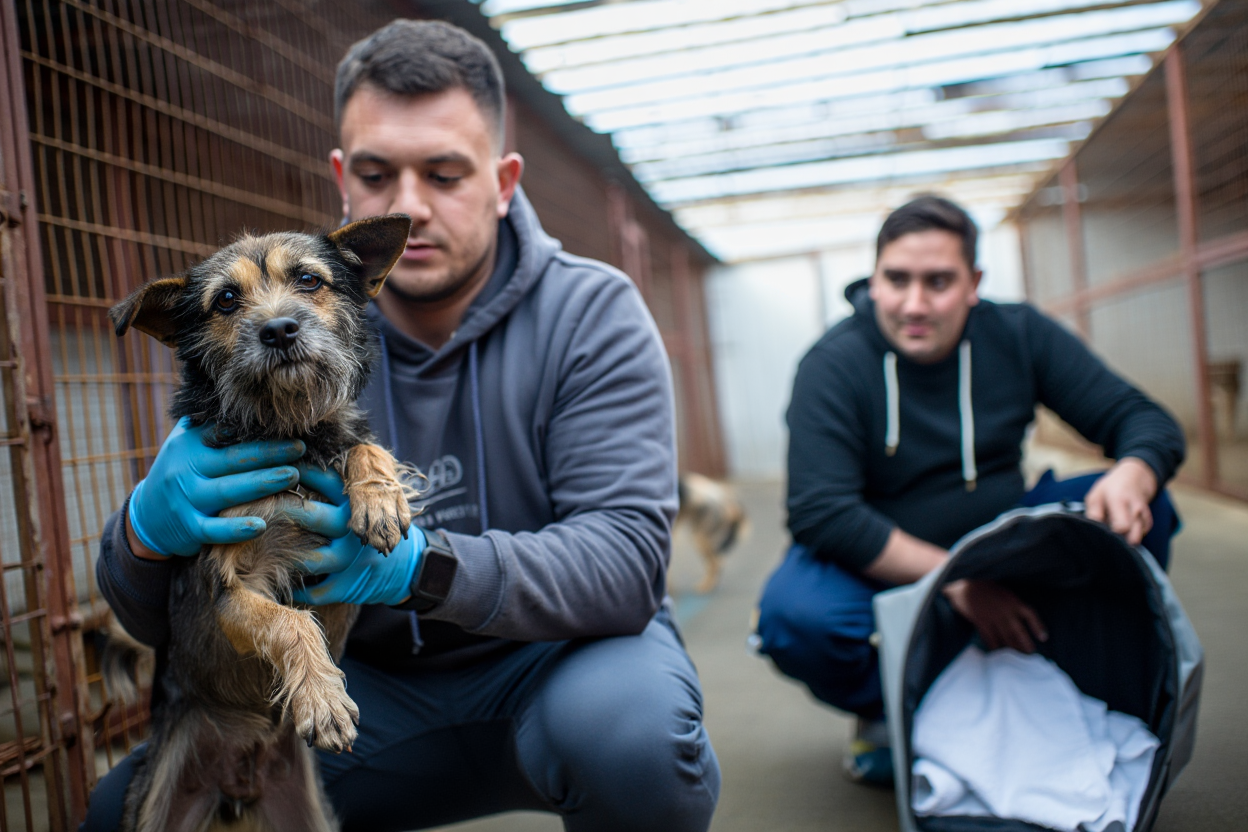
Animal abuse is one of the most distressing and emotional issues in modern society. Every year, countless cases emerge worldwide — from neglected pets to deliberately harmed animals — prompting a difficult but crucial question: Should people who commit serious acts of cruelty ever be allowed to own pets again?
Supporters of lifetime bans argue that animals are fully dependent on humans for their survival. When abused, they can suffer long-term physical injuries, psychological trauma, and emotional scars. Allowing a known abuser to own animals again is seen as putting innocent lives at risk. Veterinarians, animal behaviorists, and welfare organizations often stress that the consequences of abuse are not always visible immediately, but they can affect an animal’s behavior and trust for years. 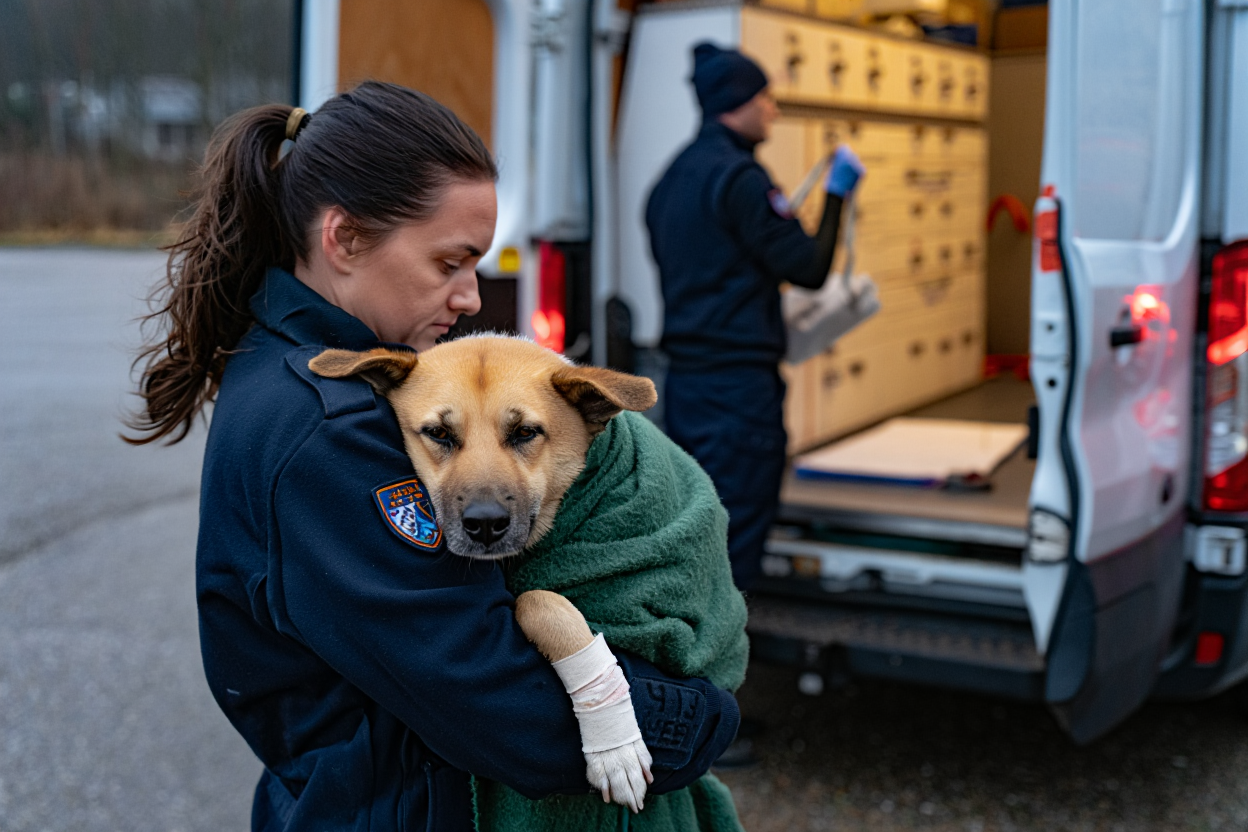
However, some legal experts and animal welfare advocates urge a more nuanced approach. They argue that any law should consider:
- Rehabilitation: Many offenders respond positively to therapy, education programs, and structured interventions. Could proper rehabilitation prevent future abuse?
- Accountability: The justice system should ensure that punishments fit the crime, balancing the need for public safety and animal welfare with the possibility of reform.
- Public Safety: Some abusers are also a danger to people. Laws and restrictions should protect both humans and animals.
- Second Chances: While controversial, some believe in giving reformed individuals the opportunity to demonstrate responsibility — under supervision or with strict conditions.
Animal welfare groups worldwide are pushing for stronger laws and better protective systems. In countries like the UK, Australia, and parts of the U.S., lifetime bans exist, but enforcement can be inconsistent. Advocates call for national registries of offenders, mandatory education programs, and stricter penalties to ensure animals are truly protected.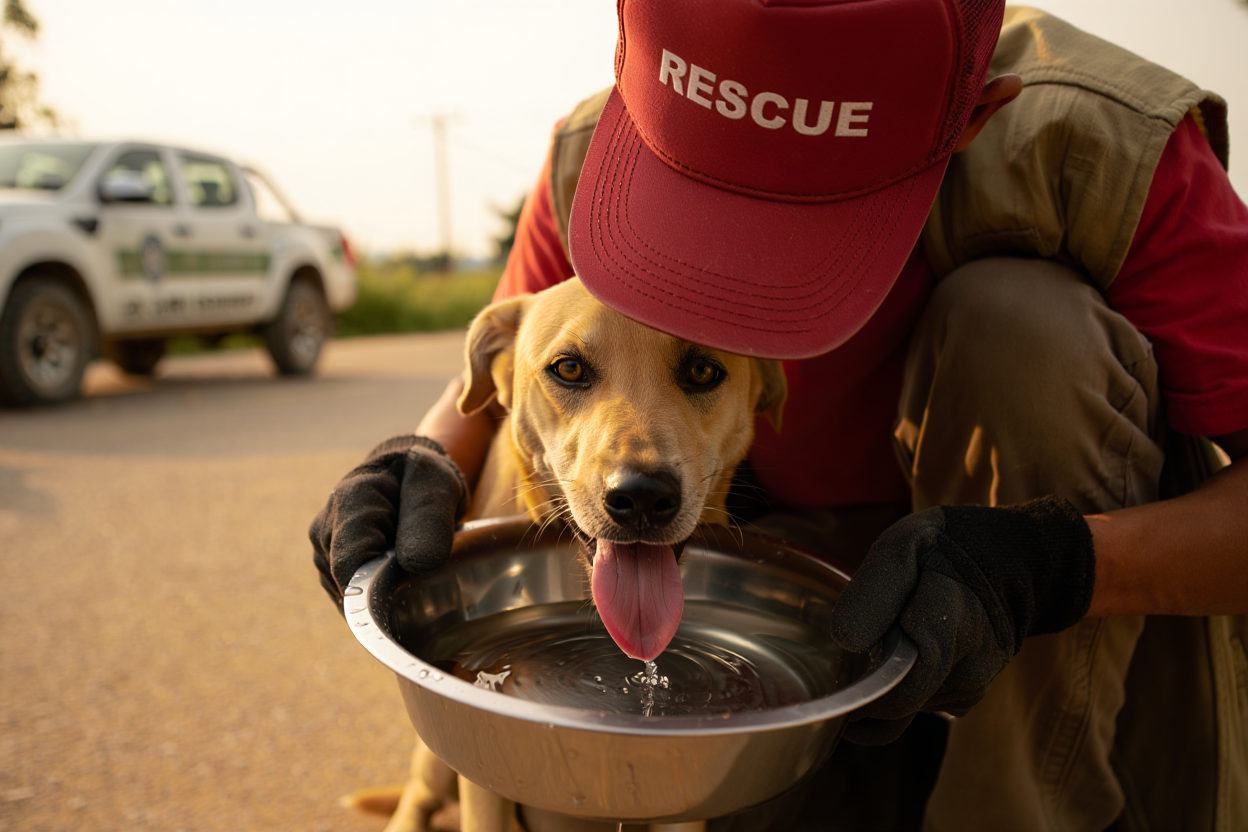
The human side of this debate is equally compelling. Stories of rescued animals who have survived horrific abuse often go viral, sparking outrage and empathy. Families who have lost pets to abuse emphasize the emotional devastation that cruelty causes — not just for animals, but for the people who love them. One volunteer at an animal shelter shared:
“Every time we take in an abused animal, we’re reminded that compassion is not optional. We owe them safety, care, and respect.”
Yet, cases of “rehabilitated abusers” who successfully care for animals again also exist, raising difficult moral and legal questions. Can a person truly change, and if so, how can the law balance protection, fairness, and rehabilitation?
Ultimately, the debate highlights a universal truth: animals deserve protection, dignity, and compassion, no matter what. They cannot speak for themselves, and society has a responsibility to act on their behalf.
The question remains open to discussion: Should severe animal abusers face lifetime bans from owning pets, or should the law allow paths for rehabilitation and monitored second chances?
Your opinion matters. Every conversation, every shared story, and every thoughtful discussion can help shape stronger policies to protect animals and ensure that abuse is never tolerated.