Noah’s Ark Was Impossible to Build — What They Erased About the Engineering
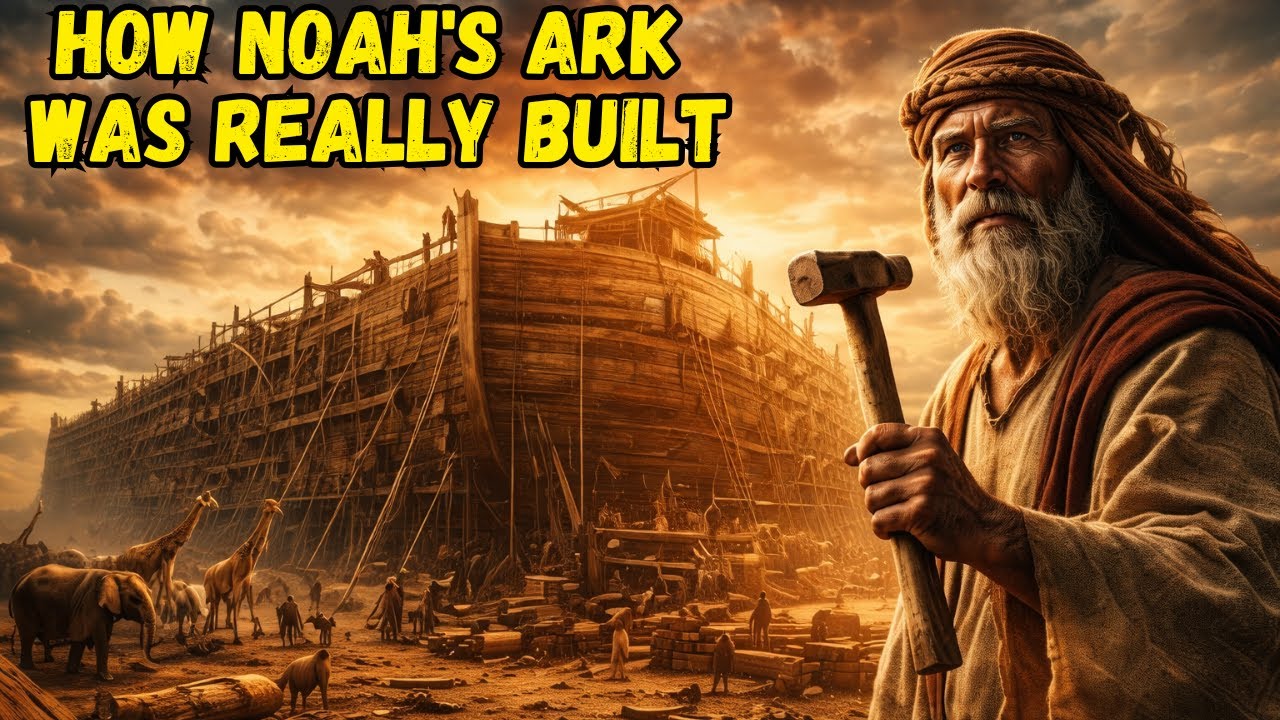
Noah’s Ark Was Impossible to Build — What They Erased About the Engineering
The story of Noah’s Ark has sparked debate for centuries, but one question continues to fascinate engineers and historians alike: could a wooden vessel of the Ark’s reported size actually have been built using ancient technology?
According to the Book of Genesis, the Ark measured 300 cubits long, 50 cubits wide, and 30 cubits high. Depending on the cubit used, this would make the vessel approximately 135 meters (443 feet) long—larger than most wooden ships ever constructed in recorded history.
Many modern naval architects argue that a wooden ship of this scale would face enormous structural challenges. As vessels become longer, they experience increasing stress from waves, cargo weight, and the natural flexing of the hull. Without modern steel reinforcement, large wooden ships can suffer from twisting, cracking, and leakage.
Historical examples support these concerns. Some of the largest wooden ships built during the 18th and 19th centuries struggled with structural instability despite benefiting from advanced tools, iron bracing, and centuries of shipbuilding experience unavailable in ancient times.
Yet the debate is far from settled.
Some engineers note that the Ark described in Genesis was not intended to function like a traditional sailing ship. Its proportions resemble those of a massive barge designed primarily for flotation and stability rather than speed or maneuverability. Computer simulations and scale-model studies have suggested that such dimensions could provide remarkable buoyancy in rough seas.
The biblical account also describes features that would improve survivability, including multiple decks, internal compartments, and waterproof pitch coating. Supporters of the Ark’s feasibility argue that extensive internal bracing and heavy timber construction might have helped distribute structural loads.
The phrase “what they erased” often appears in sensational headlines, implying that evidence of the Ark’s engineering has been deliberately hidden. Historians and archaeologists, however, emphasize that there is no evidence of a cover-up. The disagreement stems from differing interpretations of ancient texts, engineering limitations, and the absence of verified physical remains.
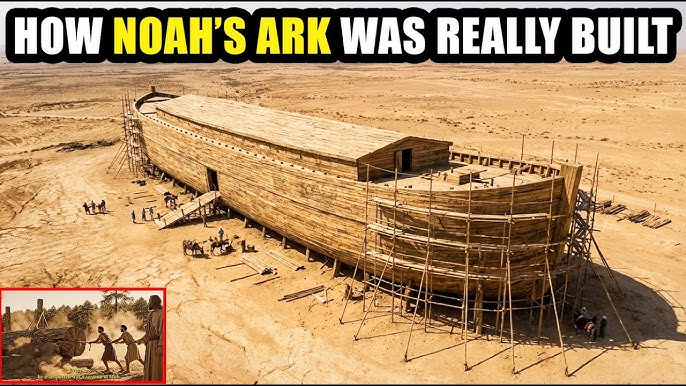
To date, no conclusively authenticated remains of Noah’s Ark have been discovered. Claims of discoveries near Mount Ararat remain controversial and have not gained broad scientific acceptance.
What makes the Ark story enduring is not merely whether the vessel existed exactly as described, but how it intersects faith, history, engineering, and human imagination. The engineering debate continues because the Ark represents one of history’s most ambitious construction concepts—one that challenges both believers and skeptics to consider the limits of ancient technology.
Whether viewed as literal history, symbolic narrative, or cultural tradition, Noah’s Ark remains one of the most discussed engineering mysteries ever recorded.