The Antikythera Shipwreck Mystery — Ancient Greek Treasure Lost Beneath the Sea for 2,000 Years
The Antikythera Shipwreck Mystery — Ancient Greek Treasure Lost Beneath the Sea for 2,000 Years
Deep beneath the waters between the Greek islands of Crete and Antikythera lies one of the most extraordinary archaeological discoveries ever made. The Antikythera Shipwreck, which sank around the 1st century BC, has fascinated researchers for more than a century due to the remarkable treasures preserved within its remains.
The wreck was first discovered in 1900 by sponge divers who stumbled upon a seabed littered with bronze statues, marble sculptures, jewelry, glassware, and luxury goods. What initially appeared to be a typical ancient shipwreck soon revealed itself as one of the richest archaeological finds from the classical world.
A Floating Treasure House
Researchers believe the vessel was a large Roman-era cargo ship transporting valuable Greek artworks and luxury items across the Mediterranean. The cargo likely included statues destined for wealthy Roman patrons during a period when Greek art was highly prized throughout the Roman world.
Among the recovered artifacts were life-sized bronze statues, intricate pottery, coins, and decorative objects that provided an unprecedented glimpse into ancient trade and craftsmanship.
The Discovery That Shocked Historians
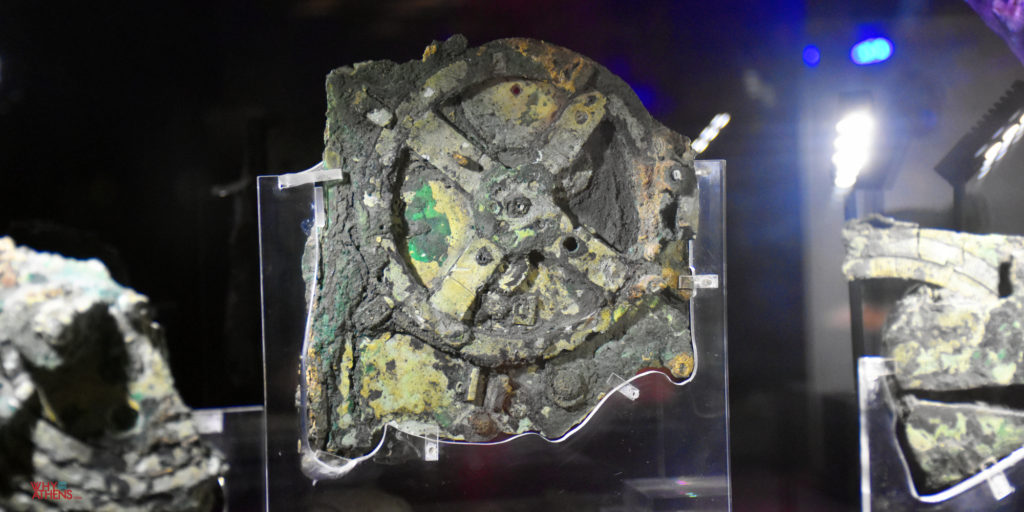
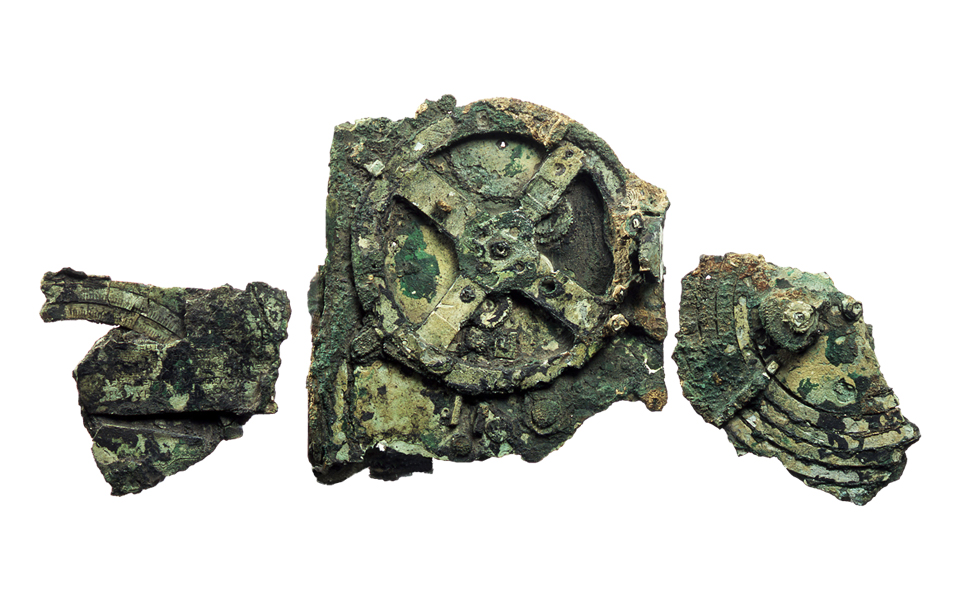
The most famous object recovered from the wreck was the Antikythera Mechanism.
At first, it appeared to be little more than a corroded lump of bronze. Decades later, detailed analysis revealed a complex arrangement of gears capable of predicting astronomical events, tracking celestial movements, and calculating eclipses.
Often described as the world’s first known analog computer, the mechanism demonstrated a level of engineering sophistication far beyond what historians once believed ancient civilizations possessed.
Why the Wreck Still Matters
Modern expeditions continue to investigate the site using advanced diving technology, robotic vehicles, and 3D mapping systems. Researchers believe large portions of the wreck remain buried beneath sediment, potentially hiding additional artifacts and clues about the ship’s final voyage.
Each new discovery helps historians better understand:
- Ancient Mediterranean trade networks
- Greek and Roman engineering
- Maritime navigation techniques
- The movement of art and luxury goods across the ancient world
A Mystery Beneath the Waves
Questions still remain about the ship’s exact route, ownership, and why it sank. Storms, navigational hazards, and overloaded cargo have all been suggested as possible causes.
What is certain is that the Antikythera Shipwreck preserved a priceless snapshot of the ancient world, frozen beneath the sea for nearly 2,000 years.
Today, it stands as one of archaeology’s greatest underwater discoveries — a reminder that some of history’s most astonishing treasures remain hidden beneath the ocean, waiting to be found.