130,000-Year-Old Mastodon Discovery Challenges the Timeline of Human History
130,000-Year-Old Mastodon Discovery Challenges the Timeline of Human History
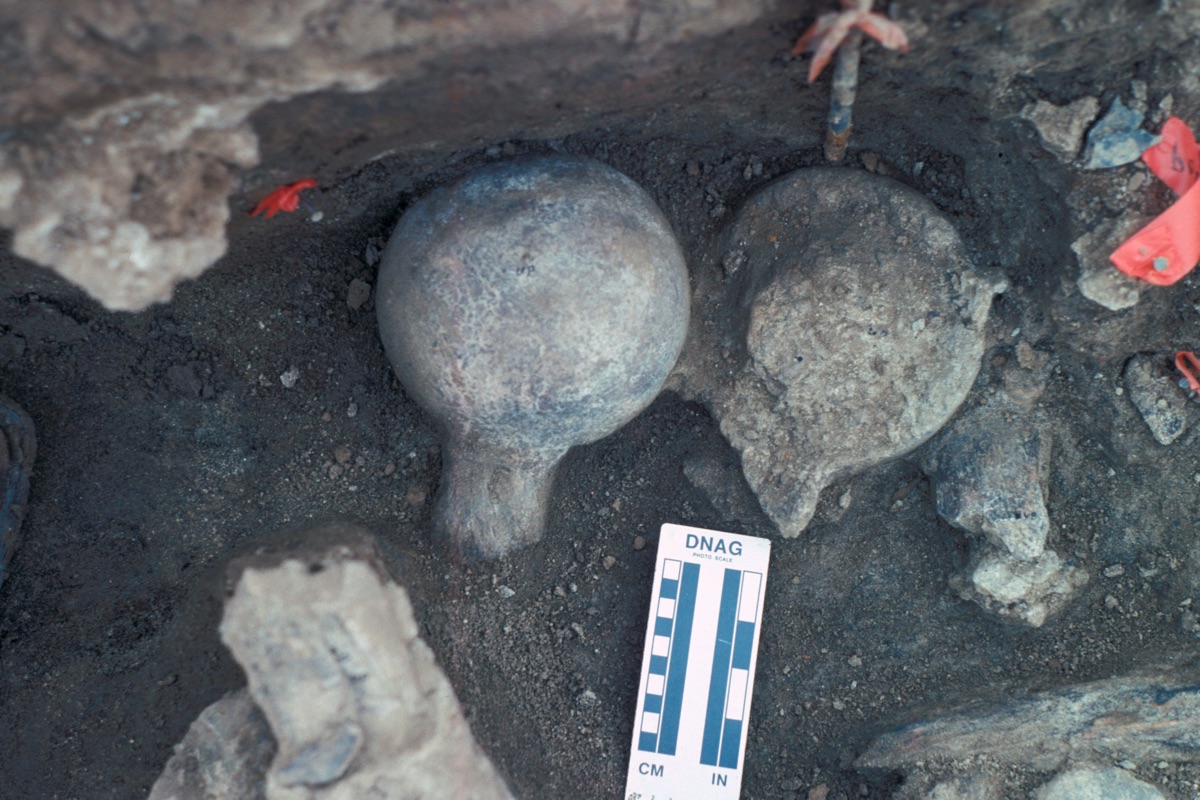
A newly reported discovery involving a mastodon specimen dated to approximately 130,000 years ago has sparked renewed discussion among researchers about ancient ecosystems and the early presence of humans in prehistoric environments.
The remains, belonging to a member of the extinct genus Mastodon, were found in a well-preserved condition that allows scientists to study not only the animal itself but also the environmental conditions of the late Pleistocene era.
What Was Found
The site reportedly includes:
- Partial skeletal remains of a mastodon
- Evidence of long-term preservation in sediment
- Associated plant material and soil layers
- Possible signs of environmental interaction with other ancient species
Researchers are analyzing the context carefully to determine whether the remains show any signs of human interaction or are purely natural accumulations.
Why the Discovery Matters
Mastodons lived across North America during the Ice Age and became extinct roughly 10,000 years ago. A specimen dated to 130,000 years ago places it deep within the Pleistocene epoch, a period when multiple large mammals coexisted with early human ancestors.
Finds of this age are valuable because they help scientists reconstruct:
- Ancient climate conditions
- Migration patterns of megafauna
- Evolution of ecosystems during glacial cycles

Does It “Change Human History”?
Despite dramatic headlines, most paleontologists emphasize that such discoveries do not automatically revise the timeline of human evolution.
Modern humans (Homo sapiens) are believed to have emerged roughly 300,000 years ago in Africa, while mastodons were widespread across parts of the Americas during later periods of the Ice Age. These timelines overlap only partially and do not inherently conflict.
In cases like this, the phrase “challenges human history” typically refers to:
- Unusual preservation conditions
- Unexpected geographic distribution
- New evidence of environmental interaction
- Improved dating accuracy of ancient layers
What Scientists Are Looking For
Researchers will focus on several key questions:
- Are there cut marks or signs of human activity on bones?
- Are tools or artifacts present nearby?
- Does sediment analysis confirm the dating?
- What does pollen and plant data reveal about the environment?
Only clear archaeological evidence of human interaction would suggest a revision of established timelines.
Natural History vs. Sensational Claims
Experts caution that prehistoric megafauna discoveries are often misinterpreted in popular media. While mastodon finds are scientifically significant, they rarely indicate unknown civilizations or rewritten timelines.
Instead, they contribute to a clearer understanding of Earth’s Ice Age past and the ecosystems that existed long before recorded history.
A Window Into the Deep Past
Ultimately, the 130,000-year-old mastodon remains represent a remarkable snapshot of a vanished world—one shaped by shifting climates, migrating species, and evolving landscapes.
Rather than overturning human history, the discovery adds detail to the long and complex story of life on Earth, reminding researchers how much of the prehistoric world is still waiting to be uncovered.