Shocking Belfast Footage Sparks Outrage: The Brutal Knife Attack That Has the UK Talking
Shocking Belfast Footage Sparks Outrage: The Brutal Knife Attack That Has the UK Talking
A newly released video of a horrific knife attack in north Belfast has sent shockwaves across the United Kingdom, with viewers horrified by the sheer brutality captured on camera and the disturbing questions it raises about safety on British streets.
On the evening of Monday, 8 June 2026, in Kinnaird Avenue, north Belfast, a man in his 40s — later identified as Stephen Ogilvie, an NHS radiographer — was subjected to a sustained and savage knife assault. The victim suffered catastrophic injuries, including the loss of his left eye, deep lacerations to his face, neck, and back. He remains in hospital in serious condition.
The suspect, 30-year-old Hadi Alodid, a Sudanese national who entered the UK in 2023 and was granted leave to remain until 2028, was arrested at the scene. He has been charged with attempted murder, threats to kill, and possession of a knife. Alodid appeared in Belfast Magistrates’ Court via video link, made no reply to the charges through an Arabic interpreter, and was remanded in custody with bail denied.
The Footage That No One Can Look Away From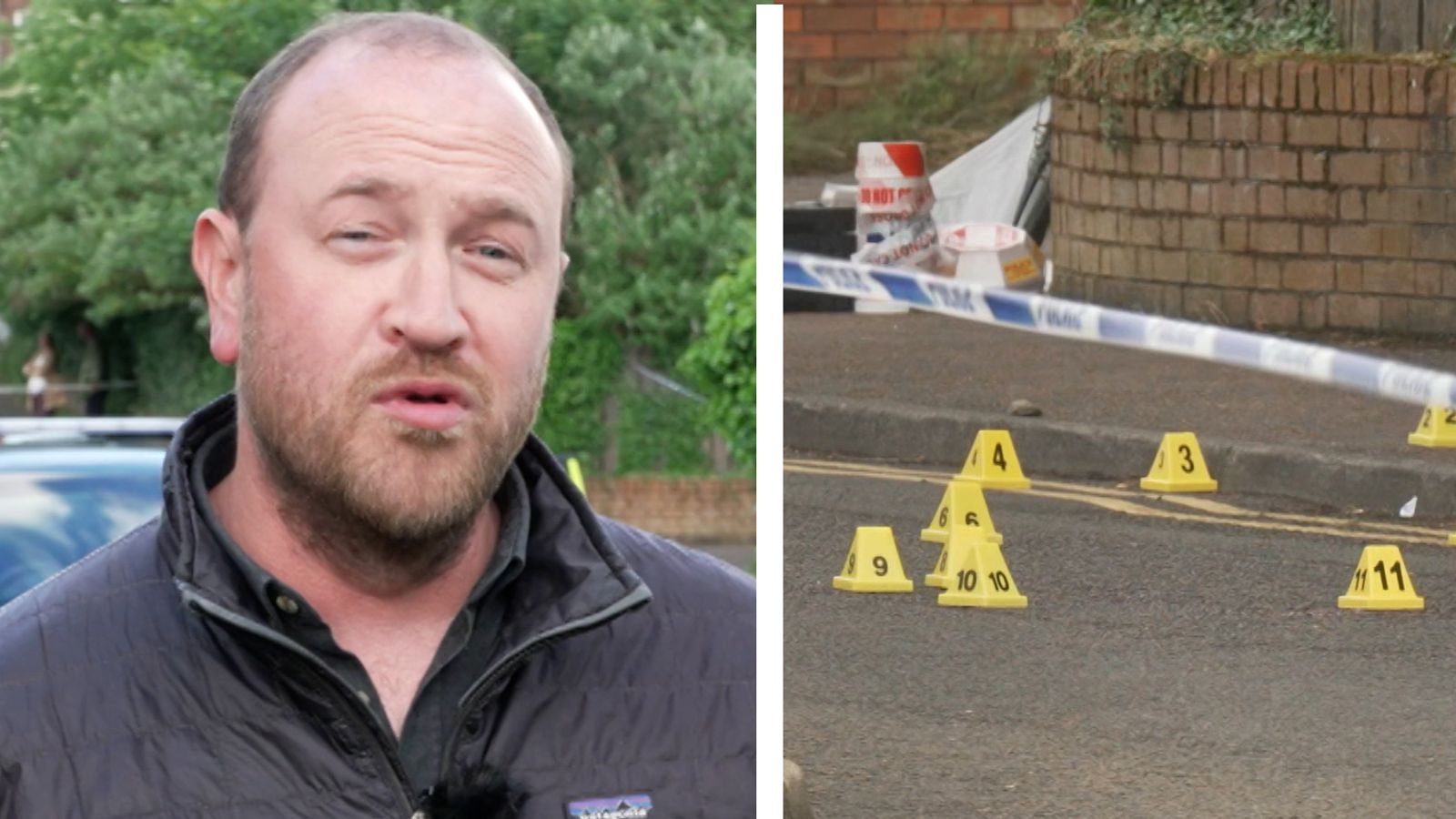
What has gripped public attention is the graphic video footage that quickly went viral on social media. The clip shows the suspect straddling the victim on the street and repeatedly slashing at his head and neck area with a kitchen knife in what many have described as an attempted beheading.
Witnesses and those who viewed the footage have spoken of the sustained nature of the attack and the chilling demeanor of the attacker. The video has left many viewers deeply disturbed, with some saying they cannot stop thinking about the images and what they reveal about the level of violence that unfolded in a quiet residential street.
A local man, Maitiu Mág Tighearnán, heroically intervened during the assault, using his son’s hurling stick to help stop the attack and allowing police to arrive and detain the suspect. His quick thinking is widely credited with preventing an even worse outcome.
Public Fury and Violent Backlash
The release and rapid spread of the footage has ignited intense public anger. Many people are demanding answers: How could such a brutal attack happen? What was the suspect’s background and mental state? Why was he in the country?
The incident has added fuel to the already heated national conversation around immigration, asylum policy, and community safety. However, the anger has also spilled over into violence. In the days following the attack, masked groups staged protests across Belfast and other parts of Northern Ireland. Cars and buses were set on fire, properties were targeted, and there were clashes with police. Dozens of sites saw disorder, with multiple arrests and officers injured.
Northern Ireland’s First Minister Michelle O’Neill condemned the violence, describing it as “outright thuggery” and calling for calm. The victim’s family has also spoken out against the disorder, urging people not to use the tragedy as an excuse for further violence.
A Nation Watching Closely
As the investigation continues, the footage remains at the centre of online discussion. People are sharing their reactions, analysing every frame, and debating what the images say about the state of the country. Some have pointed to specific moments and possible words or sounds in the video that they find particularly chilling, adding another layer to the horror for those who have watched it.
The victim, Stephen Ogilvie, is no stranger to trauma — he previously survived a horrific burning attack in 2001. His family and the wider community are now hoping for justice and a full recovery.
Police have urged anyone with information to come forward, while politicians across the spectrum have called for calm and condemned both the original attack and the subsequent rioting.
What Happens Next?
The case is expected to return to court in July. In the meantime, the images from that night in Belfast continue to circulate, forcing uncomfortable conversations about violence, integration, and how society protects its most vulnerable.
One thing is clear: the footage has left an indelible mark on everyone who has seen it. The brutality, the speed with which it unfolded, and the questions it leaves behind mean that people cannot stop talking — and perhaps cannot stop thinking — about what happened on a quiet street in north Belfast.
Justice for the victim. Safety for the community. And a hope that such darkness does not define the future.