Palisades Fire Trial Begins as Jurors Hear Emotional 911 Calls From Deadly California Wildfire
Palisades Fire Trial Begins as Jurors Hear Emotional 911 Calls From Deadly California Wildfire
The federal trial connected to the catastrophic Palisades Fire has officially begun, bringing renewed attention to one of the most destructive wildfires in Los Angeles history.
Jurors were presented with emotional 911 recordings and opening statements as prosecutors and defense attorneys offered sharply different explanations for how the deadly blaze began. The case centers on Jonathan Rinderknecht, a former Uber driver accused of intentionally starting the fire that ultimately devastated thousands of lives.
The Wildfire That Changed Southern California
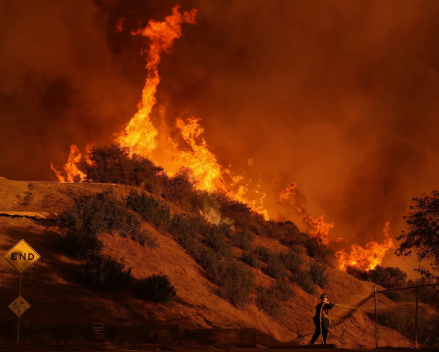
The Palisades Fire erupted in January 2025 and quickly became one of the most devastating wildfires ever recorded in the Los Angeles area.
The blaze burned more than 20,000 acres, destroyed thousands of homes and structures, and claimed 12 lives. Entire neighborhoods were left in ruins as residents fled advancing flames driven by strong winds and extremely dry conditions.
The disaster caused billions of dollars in losses and left lasting scars across Southern California communities.
Prosecutors Present Their Case
Federal prosecutors allege that Jonathan Rinderknecht deliberately ignited a smaller fire on January 1, 2025, known as the Lachman Fire. According to the government, that fire continued smoldering underground before reigniting days later and becoming the deadly Palisades Fire.
Prosecutors told jurors that the defendant was struggling emotionally and acted out of anger and resentment toward society. They presented cellphone records, surveillance footage, digital evidence, and witness testimony as part of their case.
If convicted on all charges, Rinderknecht could face decades in federal prison.
Emotional 911 Calls Played in Court
One of the most dramatic moments of the trial came when jurors listened to 911 calls connected to the night the fire began.
The defense emphasized that Rinderknecht repeatedly contacted emergency services to report the fire and seek help. Attorneys argued that the calls reflected the actions of someone attempting to stop a dangerous situation rather than someone responsible for creating it.
Recordings played in court reportedly captured the urgency and confusion surrounding the early moments of the incident, offering jurors a firsthand look at the unfolding emergency.
Defense Challenges Government Theory
Defense attorneys maintain that prosecutors cannot prove their client started the blaze.
According to the defense, fireworks may have caused the original fire, and investigators initially considered alternative explanations before focusing on Rinderknecht. The defense also argues that there is no direct physical evidence linking him to the act of igniting the fire.
Lawyers further contend that Rinderknecht’s repeated efforts to notify authorities are inconsistent with the behavior of an arsonist.
A Case With Enormous Consequences
The trial has attracted national attention because of the scale of destruction caused by the wildfire.
Many survivors continue rebuilding their lives more than a year after the disaster, while families who lost loved ones are closely following the proceedings. Jury selection itself reflected the emotional impact of the fire, with some prospective jurors reporting personal losses connected to the tragedy.
The outcome of the trial could determine not only criminal responsibility but also shape public understanding of how the disaster began.
What Happens Next?
The trial is expected to continue for several weeks as prosecutors and defense attorneys present witnesses, expert testimony, forensic evidence, and additional recordings.
Jurors will ultimately decide whether the government has proven beyond a reasonable doubt that Rinderknecht intentionally started the fire that later evolved into the deadly Palisades Fire.
For thousands of Californians still recovering from the disaster, the proceedings represent another important chapter in the search for answers and accountability.