Outrage Grows After Old Video Linked to Rope-Jump Suspect Resurfaces Following Maria Eduarda’s Fatal Fall in Brazil
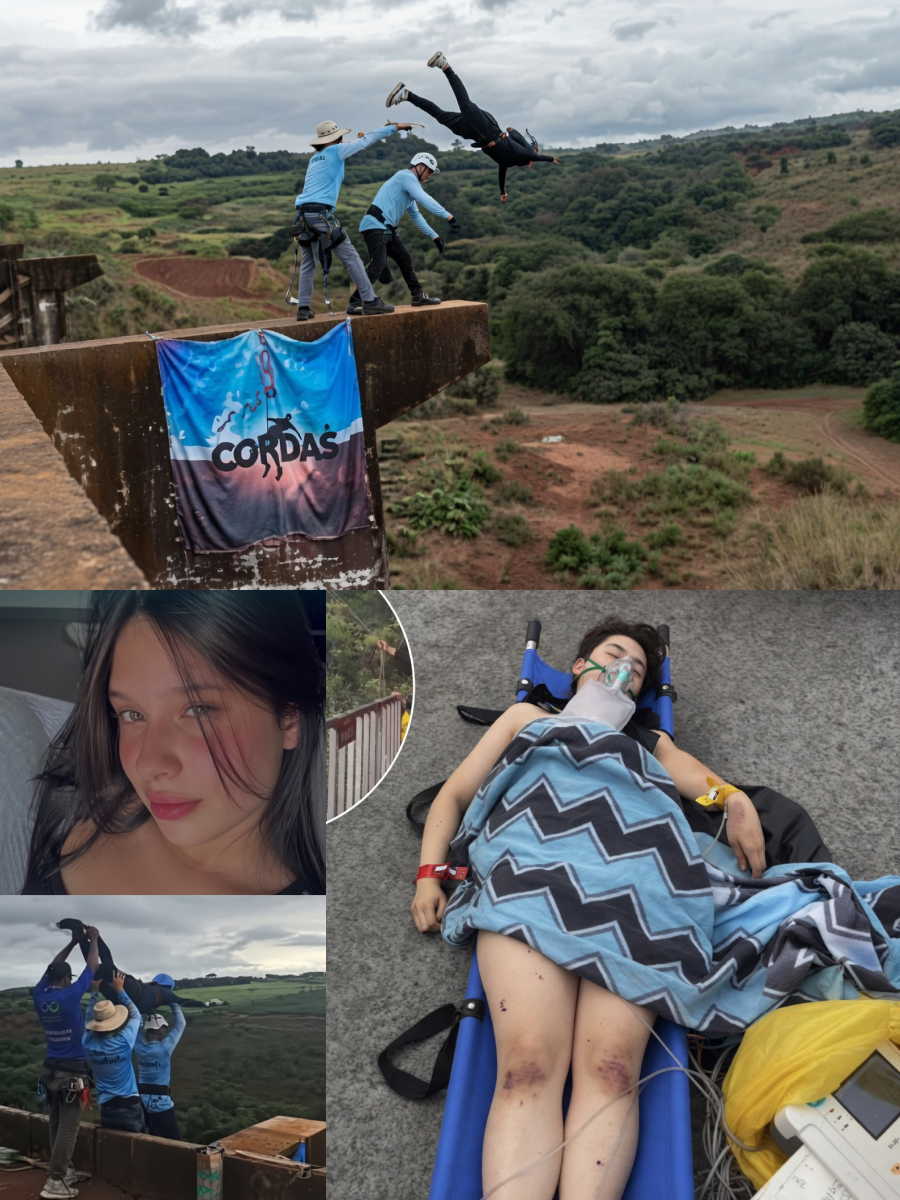
Public anger surrounding the death of 21-year-old Maria Eduarda Rodrigues de Freitas has intensified after an old video reportedly linked to one of the suspects resurfaced online, raising new questions about judgment, responsibility, and the safety culture behind the rope-jump operation at Skeleton Bridge in Limeira, Brazil.
Maria died on June 13, 2026, after being launched from Ponte do Esqueleto, also known as Skeleton Bridge, during a rope-jump activity. According to investigators and witness accounts reported by Brazilian and international media, she was not connected to the main safety rope when she was released from the bridge.
The tragedy was already shocking. But the resurfaced video has made the public reaction even stronger.
Reports say the old footage involved Luis Felipe Feliciano Egoroff, one of the men connected to the rope-jump operation now under investigation. The video allegedly showed a staged prank in which people appeared to throw a body-shaped object from the same bridge. Some outlets reported that the video was originally posted years before Maria’s death and later resurfaced after the fatal incident.
For many people following the case, the video feels deeply disturbing in light of what later happened at that same location.
While the old footage does not prove what occurred during Maria’s jump, it has added to public concern over whether the people operating the activity treated risk with the seriousness it deserved. In high-risk adventure sports, attitude matters. A safety culture is not only about ropes, helmets, harnesses, and equipment. It is also about discipline, respect for danger, and the ability to understand that one careless moment can end a life.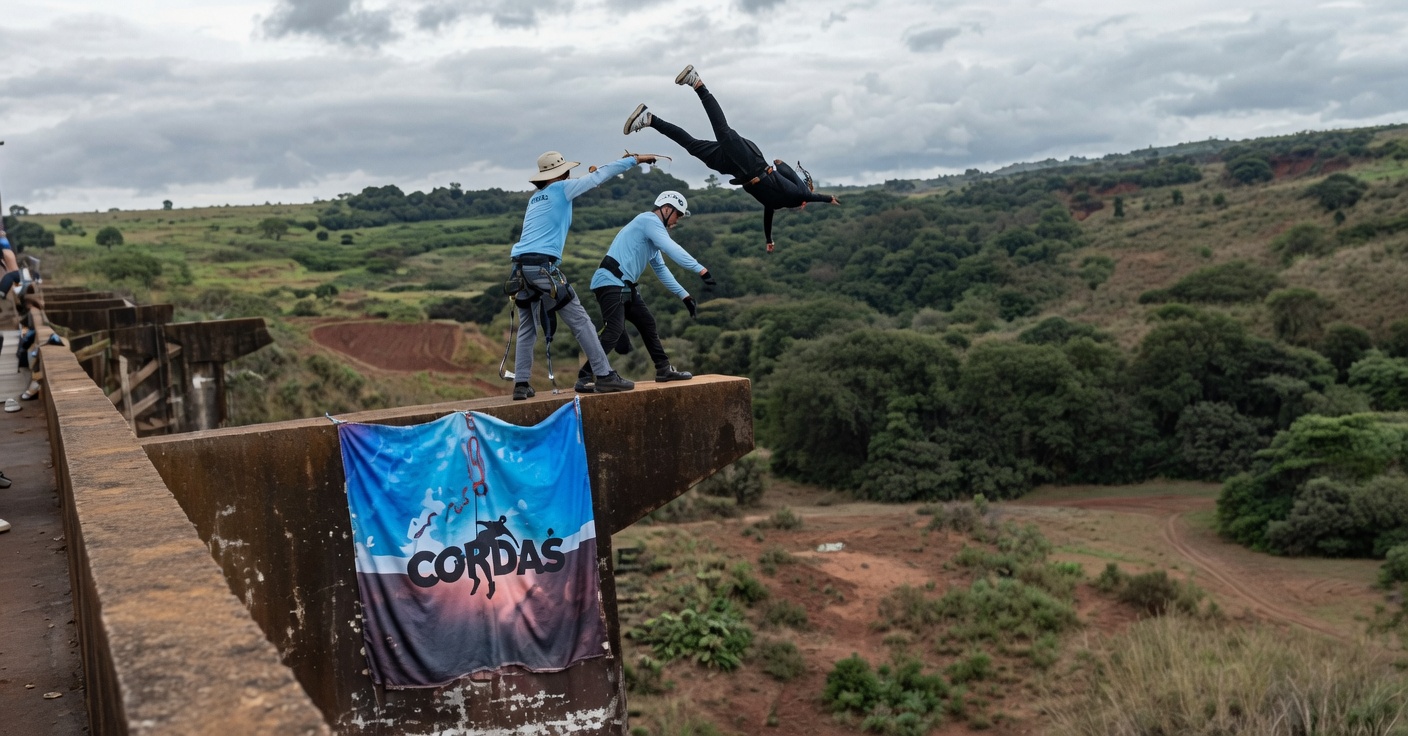
Maria’s death has already raised serious questions about the operation itself. Three men linked to the jump have been arrested and are being investigated in connection with the case. They have been identified in reports as Luis Felipe Feliciano Egoroff, Vitor de Freitas Gonçalves, and Maicon Fernandes Cintra.
Authorities are investigating the case as homicide with implied risk, a legal classification used when investigators believe suspects may not have intended to kill but allegedly acted with serious disregard for a known danger.
According to reports, the suspects were unable to clearly explain who was responsible for attaching or checking the rope before Maria was launched. That claim has troubled many observers because organized extreme sports depend on clear roles, strict checklists, and repeated safety confirmations.
There should never be confusion over who is responsible for the final life-saving check.
Witness accounts have also played a major role in the investigation. Reports say bystanders shouted warnings after noticing the rope was not attached. Video circulating online appeared to show panic after Maria was released, with people pointing to the rope left behind. Investigators later confirmed that the safety rope had not been connected.
The resurfaced video now adds a different kind of question: was the danger surrounding Skeleton Bridge taken too lightly?
For Maria’s family, these details are painful. Every new report brings another reminder that her death may have been preventable. She had gone to the bridge for an adventure, not knowing that one missed safety step could take away her future.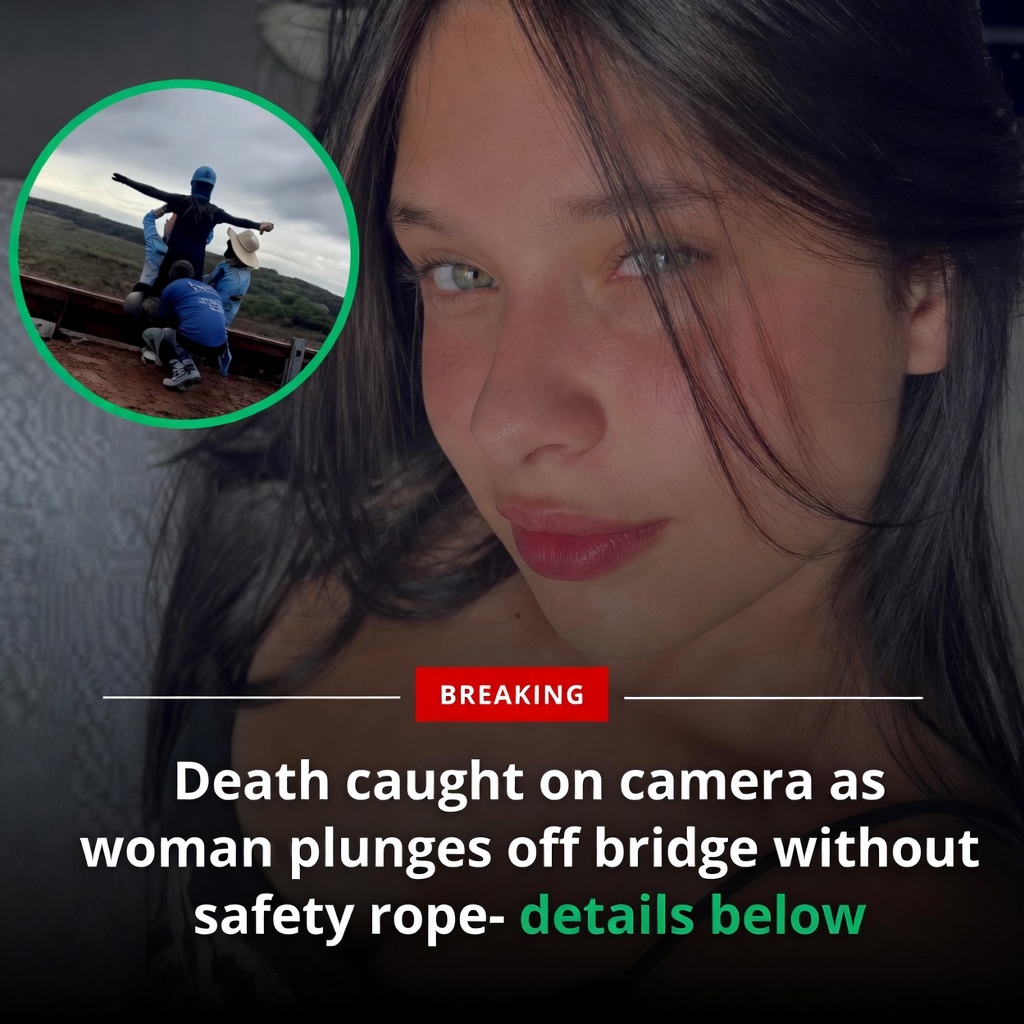
Maria was only 21 years old. She was remembered as a young woman with dreams, energy, and a life still ahead of her. Reports say she had studied in the area of physical education and sports management, making the tragedy even more heartbreaking for many people who saw her as someone connected to movement, life, and possibility.
Instead, her name is now tied to a case that has shocked Brazil and sparked international attention.
The suspects have not been convicted, and the legal process is still ongoing. Their defense is expected to argue that the incident was a tragic accident, not an intentional act. But investigators will continue examining whether the operation ignored obvious risks, whether procedures were unclear, and whether anyone attempted to remove or hide evidence after the fall.
One unresolved detail remains especially important: Maria’s missing action camera.
Reports say she may have paid extra to record the jump and was wearing a GoPro-style camera at the time. A witness claimed that someone from the operation removed the camera after the fall. If recovered, the footage could potentially show the moments before the launch and help investigators understand what was visible, what was said, and who gave the final signal.
The combination of the missing camera, unclear responsibility, unauthorized activity, and the resurfaced video has made the case even more intense in the eyes of the public.
But beyond the outrage, Maria’s death forces a larger question: what kind of culture should exist around extreme sports?
Adventure requires courage, but it also requires trust. Participants trust that professionals know what they are doing. They trust that every safety step has been completed. They trust that the people standing beside them understand the weight of their responsibility.
That trust should never be treated casually.
Extreme sports can be thrilling, beautiful, and unforgettable. But when the people in charge fail to respect the danger, the results can be irreversible.
Maria Eduarda Rodrigues de Freitas should have returned home with a video, a memory, and a story about courage.
Instead, Brazil is now watching a criminal investigation unfold around a young woman whose life ended too soon.
Her family deserves answers. The public deserves accountability. And every person who ever steps to the edge of a bridge, mountain, platform, or cliff deserves to know that safety is not a performance — it is a promise.