Maria Eduarda Remembered After Brazil Rope-Jump Tragedy as Family, Friends and Public Demand Answers
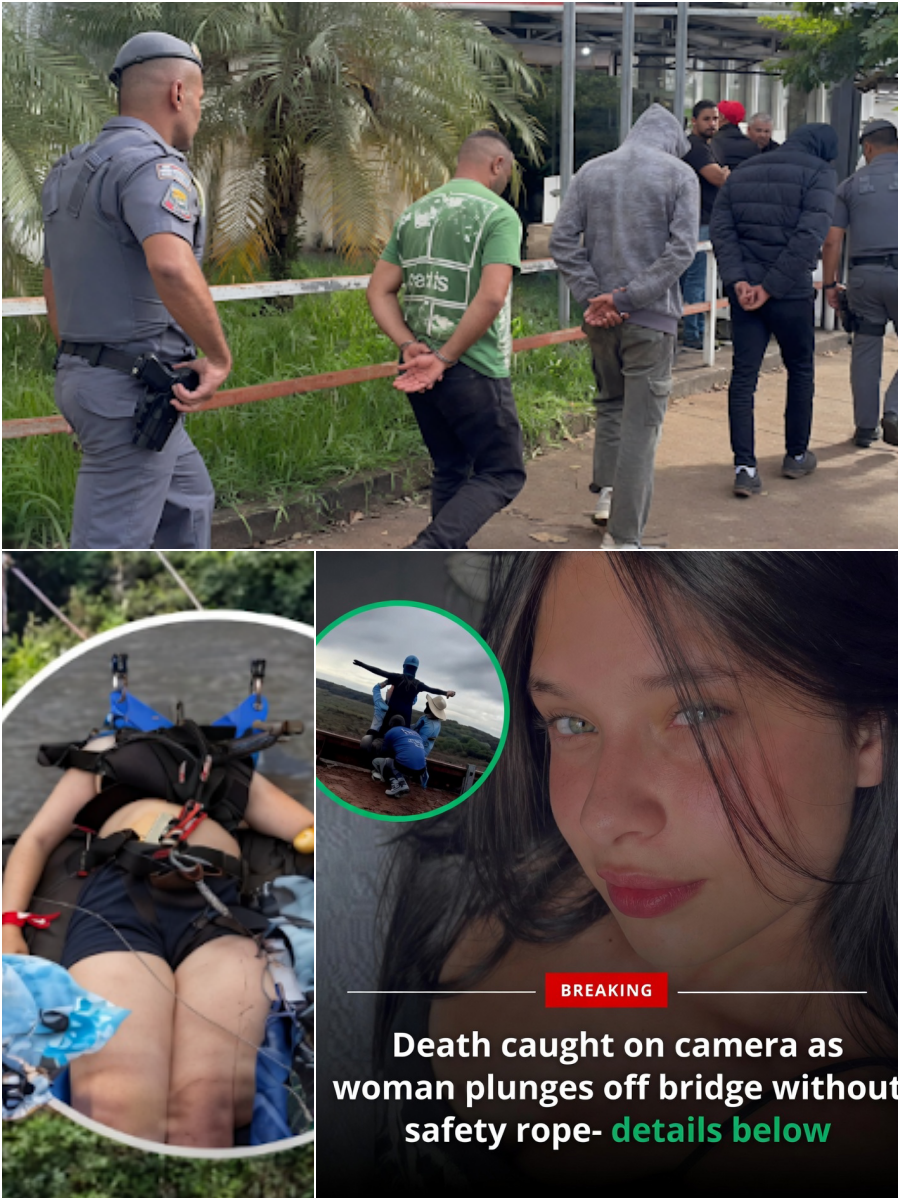
Maria Eduarda Rodrigues de Freitas was only 21 years old when her life ended in a tragedy that has shaken Brazil and reached people around the world.
She was young, full of dreams, and at the beginning of a future that should have stretched far beyond one weekend in Limeira, São Paulo. She went to Skeleton Bridge for an adventure, expecting excitement, courage, and a memory she could carry home.
Instead, her name has become linked to one of Brazil’s most heartbreaking extreme-sports cases.
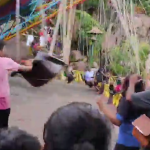
Maria died on June 13, 2026, after taking part in a rope-jump activity at Ponte do Esqueleto, known as Skeleton Bridge. According to investigators and reports, she was launched from the bridge without being connected to the main safety rope that should have protected her during the fall.
The distance was around 40 meters. The mistake was fatal.
Since then, the case has grown from a local tragedy into a national debate about safety, responsibility, and accountability in adventure tourism.
But behind every legal term, every investigation update, and every headline, there is still one truth that should not be forgotten: Maria was a real person. She was a daughter, a friend, and a young woman with a life still waiting for her.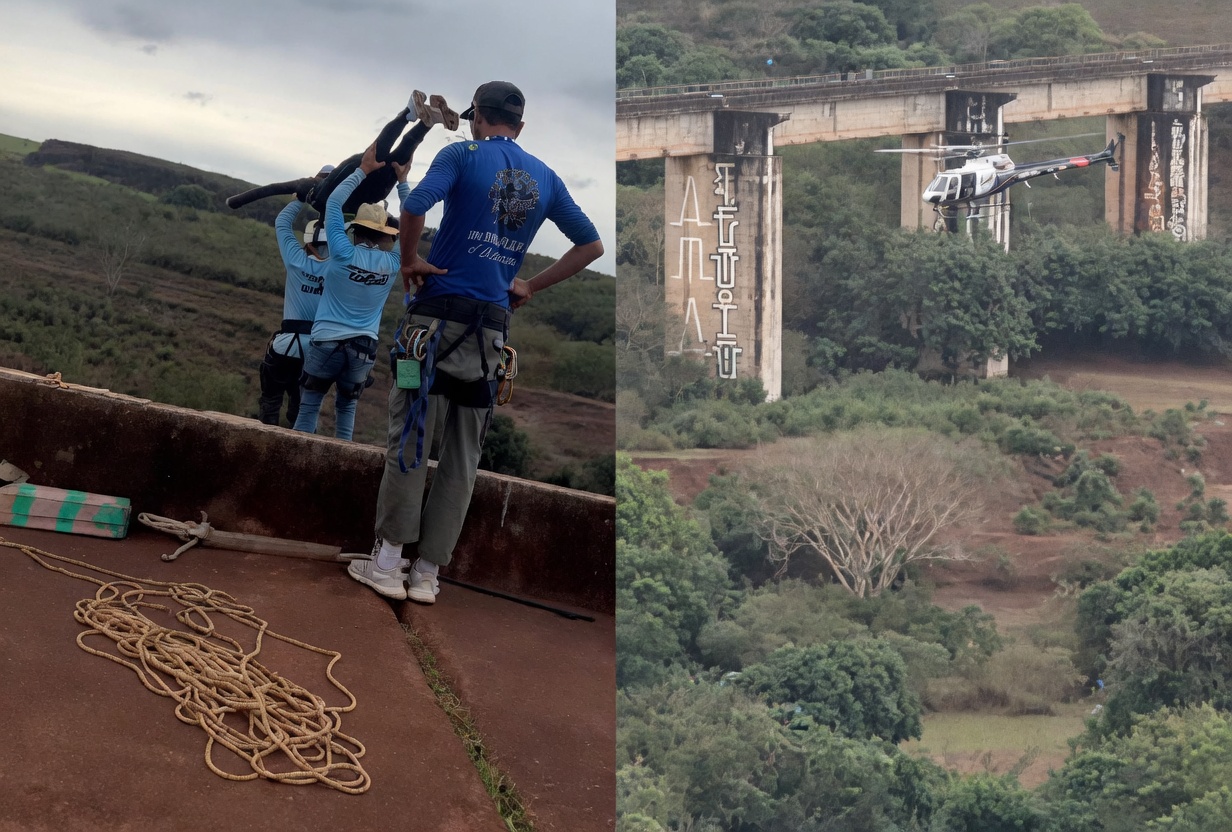
Reports say Maria had an interest in physical education and dreamed of working in a field connected to movement, sport, and health. That detail has made the tragedy even more painful for many people following the case. She was not someone running away from life. She was someone moving toward it.
Her final outing should have been a moment of thrill and joy.
She reportedly posed at the jump site before the incident. Like many young people, she may have wanted to capture the moment, to remember the courage of stepping into something new. There are reports that she had paid for the experience to be filmed with an action camera. That camera has now become part of the investigation after witnesses claimed it may have been removed after the fall and later disappeared.
For Maria’s loved ones, the questions are unbearable.
Who checked the equipment? Who was responsible for the final safety confirmation? Who gave the signal for her to be launched? Why was the rope not attached? Why did no one stop the jump in time? And what happened to the camera that might have recorded the moments before her death?
These are not small questions. They are the difference between an accident that can be understood and a tragedy that may have been preventable.
Three men linked to the rope-jump operation were arrested after the incident. Authorities are investigating the case as homicide with implied risk, a classification used when investigators believe the suspects may not have intended to kill but may have acted with serious disregard for a known danger.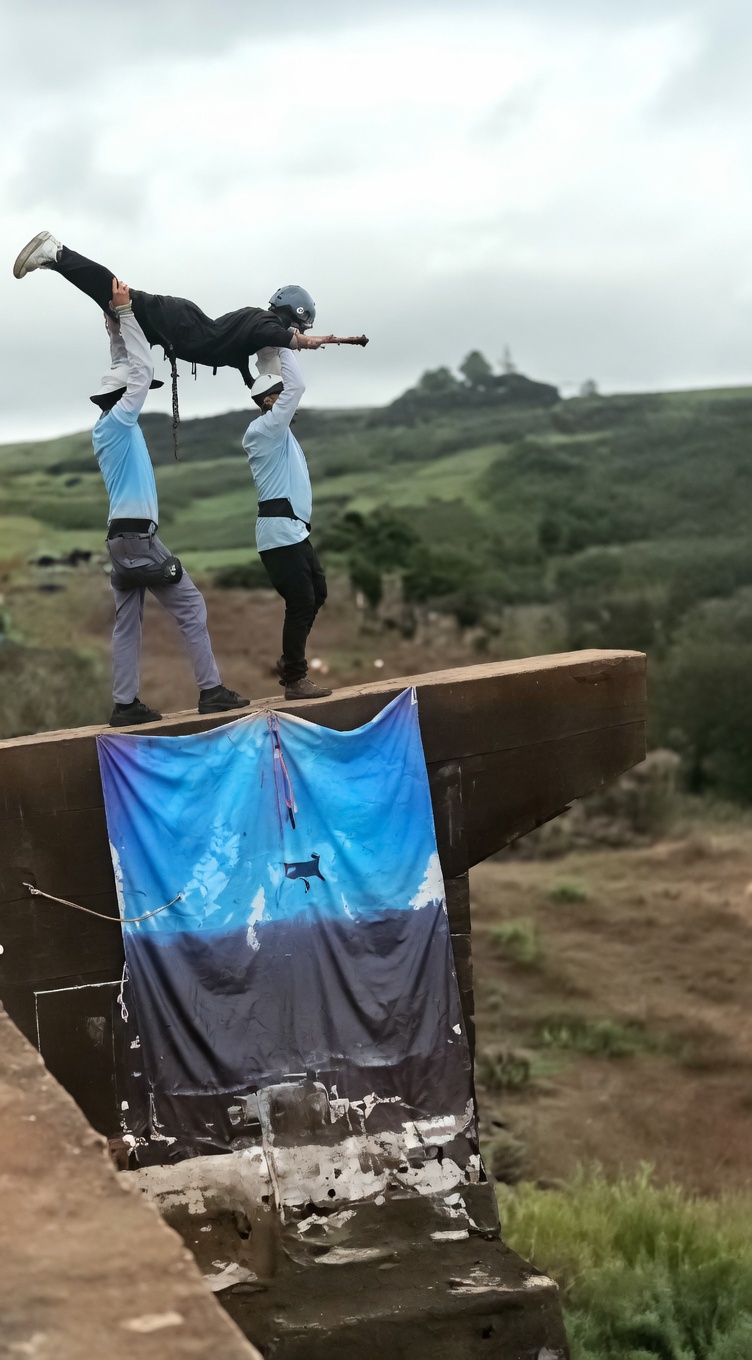
The men reportedly could not clearly explain who was responsible for attaching or checking the safety rope before Maria was released.
That uncertainty has shocked the public.
In any high-risk activity, there must be clear responsibility. There must be no confusion. There must be no assumption that someone else completed the final check. A person standing on the edge of a bridge places absolute trust in the team around them. That trust must be protected by systems, discipline, and repeated safety procedures.
Maria trusted that system.
Now, her family is grieving a loss that feels deeply preventable.
Her funeral reportedly took place on June 15, only two days after the tragedy. For those who loved her, it marked the beginning of a pain that cannot be measured by headlines or court documents. A young woman who should have returned home with a story of adventure was instead mourned far too soon.
The public reaction has been emotional because Maria’s story touches something universal. People understand the desire for adventure. They understand the excitement of trying something new. They understand the trust placed in instructors, equipment, and safety promises.
What people cannot understand is how such a basic step could have been missed.
A rope-jump activity depends on the rope. Without that connection, the entire experience becomes a deadly fall. That is why the case has sparked outrage not only in Brazil, but also among people worldwide who have seen the reports and asked the same painful question: how could this happen?
The investigation is still ongoing, and no final verdict has been announced. The suspects have the right to defend themselves, and the courts will determine legal responsibility based on evidence.
But Maria’s death has already forced a larger conversation.
Adventure sports cannot survive on excitement alone. They require regulation, training, supervision, and accountability. Every operator must understand that behind every ticket sold is a human life. Every jump, every harness, every rope, and every signal must be treated with the seriousness it deserves.
There is no room for improvisation when a person’s life is hanging from a safety system.
Maria’s story should not be reduced to a viral video or a shocking headline. It should become a turning point. It should lead to stronger safety rules, better inspections, clearer responsibility, and real consequences for those who fail to protect participants.
Her name should be remembered not only because of how she died, but because of what her death must teach.
She came for an adventure. She should have returned home with joy, photos, laughter, and a memory to share with family and friends.
Instead, her family is left with grief, and Brazil is left with questions.
The justice process may take time. Investigators may still need to examine evidence, witness statements, videos, and the missing camera. Courts may still need to decide who is responsible and what punishment, if any, should follow.
But for many people, the moral lesson is already clear.
Safety cannot be optional. Responsibility cannot be unclear. And no person should lose their future because a basic life-saving step was ignored.
Maria Eduarda Rodrigues de Freitas was 21 years old.
Her life mattered.
Her story matters.
And as the investigation continues, her family deserves truth, accountability, and the peace of knowing that her tragedy may help prevent another life from being lost in the same way.