Woman Who Claimed to Be Madeleine McCann Found Guilty of Harassing Family After DNA Test Debunked Claims
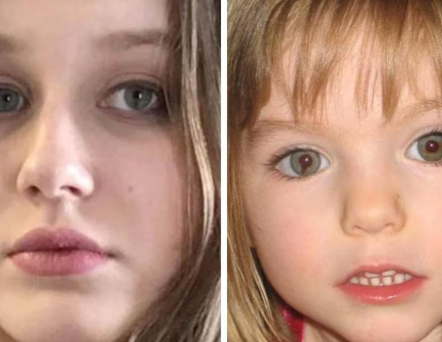
Woman Who Claimed to Be Madeleine McCann Found Guilty of Harassing Family After DNA Test Debunked Claims
The disappearance of Madeleine McCann remains one of the most famous unsolved missing-person cases in modern history. Nearly two decades after the British toddler vanished during a family holiday in Portugal, the case continues to attract worldwide attention.

In recent years, Polish woman Julia Wandelt became the focus of global headlines after publicly claiming she believed she might be Madeleine McCann. The claims quickly spread across social media platforms, generating millions of views and sparking intense debate among internet users.
However, court proceedings and forensic evidence later established that the claims were false.
DNA Evidence Ruled Out Any Connection
During legal proceedings in the United Kingdom, investigators revealed that DNA testing conclusively proved Julia Wandelt was not Madeleine McCann.
Forensic experts testified that there was no DNA match between Wandelt and samples associated with Madeleine McCann. Investigators also confirmed that Wandelt was not the biological daughter of Kate and Gerry McCann.
The findings effectively ended speculation regarding her identity and reinforced the conclusions reached by authorities.
Viral Claims Drew Global Attention
Wandelt first gained international recognition in 2023 after posting online claims suggesting she could be the missing British girl.
Her social media activity attracted enormous public interest, with supporters and critics alike debating the possibility. The story spread rapidly across multiple platforms, becoming one of the most discussed developments connected to the Madeleine McCann case in years.
As public interest grew, investigators and media organizations increasingly focused on verifying the claims through official channels and scientific evidence.
Court Finds Wandelt Guilty of Harassment
In November 2025, a UK court found Julia Wandelt guilty of harassing members of the McCann family.
According to evidence presented during the trial, Wandelt repeatedly contacted the family, sent messages and letters, and appeared at their home while continuing to insist she was their missing daughter.
Jurors ultimately convicted her of harassment. However, she was acquitted of the more serious stalking charge.
The court also imposed restrictions preventing future contact with the McCann family.
Impact on the McCann Family
The case brought renewed public attention to a family that has spent years searching for answers about their daughter’s disappearance.
Court proceedings heard that the repeated claims and contact attempts caused significant distress to the family. Despite the guilty verdict, reports indicated that Kate and Gerry McCann expressed hope that Wandelt would receive appropriate support moving forward.
Their primary focus, they said, remains finding credible information that could help solve Madeleine’s disappearance.
The Dangers of Misinformation
The incident has become a striking example of how quickly unverified claims can spread online.
High-profile missing person investigations often generate intense public interest, making them especially vulnerable to misinformation, conspiracy theories, and false leads.
Experts say the case highlights the importance of relying on verified evidence rather than social media speculation when evaluating extraordinary claims.
Conclusion
What began as a viral internet sensation ultimately ended in court, with DNA evidence conclusively disproving Julia Wandelt’s claim that she was Madeleine McCann.
The case serves as a reminder that scientific evidence remains the most reliable tool in identity investigations and that misinformation can have real consequences for families already enduring years of uncertainty and grief.