Baby Preston Davey Couldn’t Tell Investigators What Happened — The Evidence Did
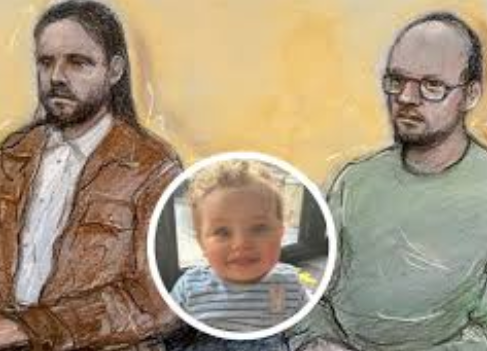
A 13-Month-Old Child Had No Voice — But Science Helped Tell His Story
When 13-month-old Preston Davey died, the people responsible for caring for him claimed it was a tragic accident.
For a time, investigators were faced with a difficult challenge. Preston was too young to explain what had happened. There were no words, no testimony, and no way for the toddler to speak for himself.
Instead, prosecutors say the truth emerged through forensic science.
What experts discovered would ultimately change the course of the investigation and lead to convictions in one of the most disturbing child abuse cases to reach a British courtroom in recent years.
Initial Explanations Quickly Raised Questions
Following Preston’s death in July 2023, explanations were provided suggesting the toddler had suffered an accident.
However, medical professionals examining the case became concerned after discovering evidence that appeared inconsistent with those claims.
As specialists conducted further examinations, investigators began building a picture that differed dramatically from the original account of events.
The findings prompted a major criminal investigation that would continue for years.
Forensic Evidence Became the Key to the Case
Because Preston could not tell authorities what he had experienced, forensic experts played a crucial role in reconstructing the final months of his life.
Medical examinations reportedly identified dozens of injuries, many of which experts concluded were not accidental.
Investigators also relied on digital evidence, witness testimony, and detailed medical analysis to understand what had occurred behind closed doors.
Prosecutors later argued that the evidence revealed a prolonged pattern of abuse rather than a single tragic event.
The scientific findings became one of the strongest pieces of evidence presented during the trial.
Court Hears Disturbing Details
During proceedings, jurors were shown evidence gathered over the course of the investigation.
The prosecution argued that Preston had been subjected to repeated mistreatment while under the care of the adults responsible for protecting him.
Defense teams challenged aspects of the case, but prosecutors maintained that the medical evidence overwhelmingly contradicted claims that the child’s death resulted from an accident.
The trial attracted significant public attention due to both the age of the victim and the seriousness of the allegations.
Guilty Verdicts Bring Accountability
In June 2026, a jury found former teacher Jamie Varley guilty of murder and additional offenses connected to Preston’s abuse.
His partner, John McGowan-Fazakerley, was also convicted of offenses relating to the child’s death.
The verdicts represented a major moment in a case that had shocked communities across the United Kingdom.
For many observers, the outcome reflected the importance of forensic science in cases involving vulnerable victims who cannot speak for themselves.
One of the Harshest Sentences Available
The case reached another major milestone when sentencing was handed down.
Varley received a whole-life order, meaning he will spend the rest of his life in prison without the possibility of parole—one of the most severe punishments available under UK law.
McGowan-Fazakerley was sentenced to 25 years in prison.
The judge described the crimes as exceptionally serious, emphasizing the vulnerability of the victim and the profound breach of trust involved.
Questions Continue Beyond the Courtroom
Although the criminal proceedings have largely concluded, questions remain about whether opportunities existed to intervene before Preston’s death.
Reports have prompted discussions about child safeguarding procedures, healthcare oversight, and the responsibilities of agencies tasked with protecting vulnerable children.
Advocates say the case serves as a reminder of the importance of recognizing warning signs and ensuring concerns are thoroughly investigated.
A Legacy That Continues to Resonate
Preston Davey never had the opportunity to tell his story.
Yet the evidence left behind ultimately helped investigators uncover what prosecutors described as the truth.
As the case comes to a close, many hope it will lead to greater awareness, stronger safeguards for vulnerable children, and lessons that could help prevent similar tragedies in the future.
What are your thoughts on the role forensic evidence plays in protecting children and securing justice in difficult cases? Share your thoughts in the comments below.