Australian Mother Gives Birth to Twins Conceived 10 Days Apart in an Extremely Rare Medical Case
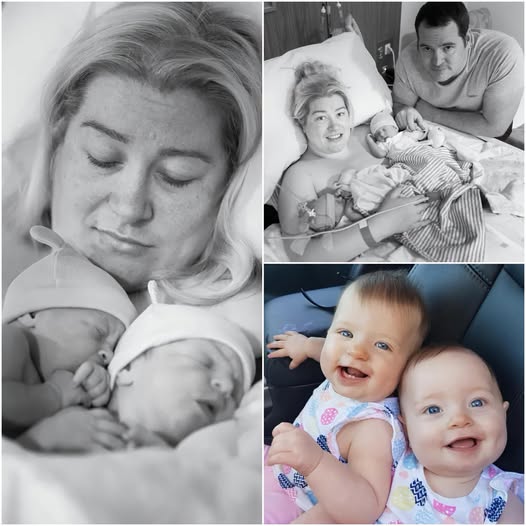
Australian Mother Gives Birth to Twins Conceived 10 Days Apart in an Extremely Rare Medical Case
An Australian mother stunned doctors after giving birth to twins who were later found to have been conceived about 10 days apart.
Kate Hill and her husband, Peter, from Brisbane, welcomed their daughters Charlotte and Olivia in December 2015. Although the girls were born on the same day, medical specialists determined that they had not been conceived at the same time. Instead, Kate had experienced an extremely rare condition known as superfetation, where a second pregnancy occurs while a woman is already pregnant.
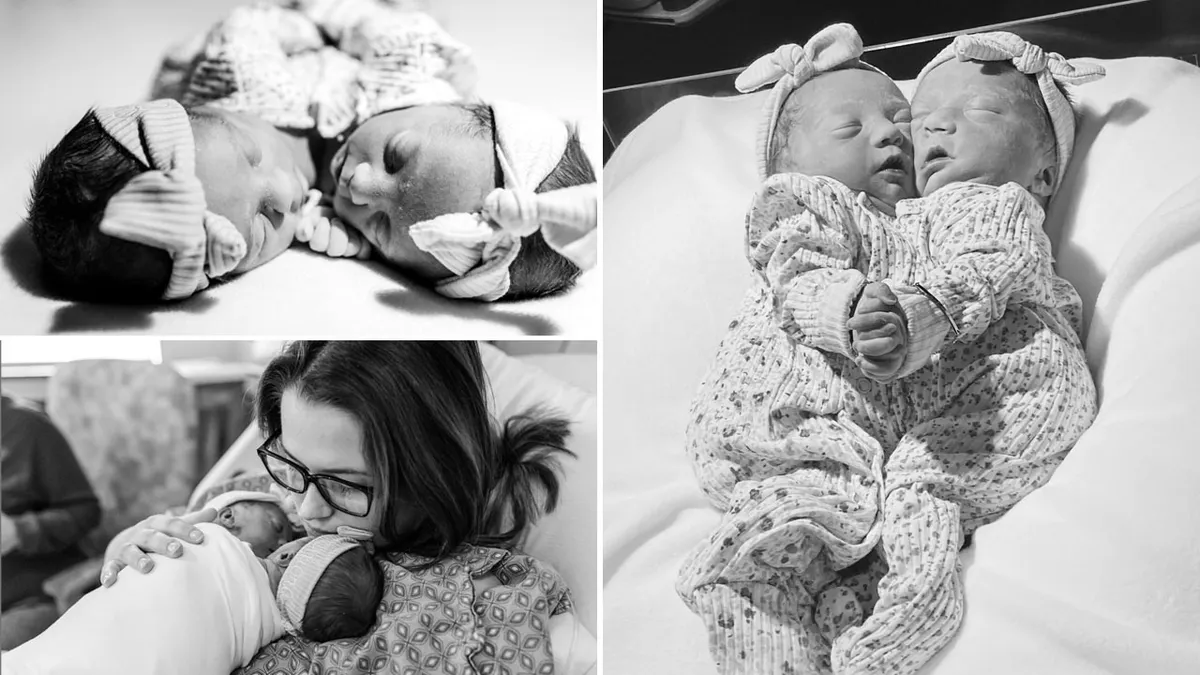
Years before the twins were born, Kate had been diagnosed with polycystic ovary syndrome, a hormonal condition that can make ovulation irregular and pregnancy more difficult. After struggling to conceive, she received hormone treatment to help stimulate ovulation.
The treatment worked, but what happened next was almost unheard of. Kate reportedly conceived one baby, and then, despite already being pregnant, her body released another egg days later. That egg was fertilized as well, creating a second pregnancy at a slightly different stage of development.
What made the case even more extraordinary was that Kate and Peter said they had intercourse only once during the relevant period. Doctors believe sperm survived long enough inside her reproductive tract to fertilize the second egg when it was released.
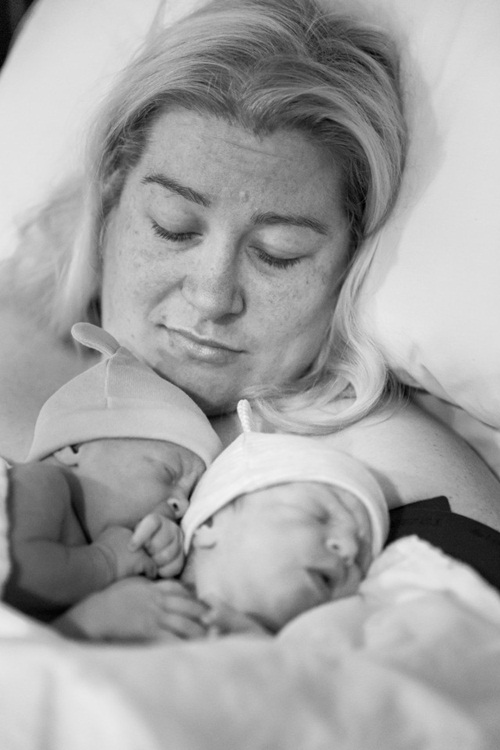
During a typical pregnancy, the body’s hormonal changes usually stop ovulation from happening again. That is why superfetation is considered exceptionally rare in humans. As the pregnancy continued, doctors noticed that the babies were developing at different rates, with differences in size and gestational age that could not be explained as ordinary twin variation.
When Charlotte and Olivia were born, those differences became even clearer. They shared a birthday, but their development showed separate timelines. The girls also had different blood types, confirming that they were fraternal twins.
For doctors, the case was medically fascinating. For Kate and Peter, it was something even greater: the unexpected joy of becoming parents after a long and difficult journey.