Making Medical History Against All Odds: How a Sixty-Eight-Year-Old Car Crash Survivor Overcame Systemic Disparities to Receive a Historic Full Face Transplant
Making Medical History Against All Odds: How a Sixty-Eight-Year-Old Car Crash Survivor Overcame Systemic Disparities to Receive a Historic Full Face Transplant
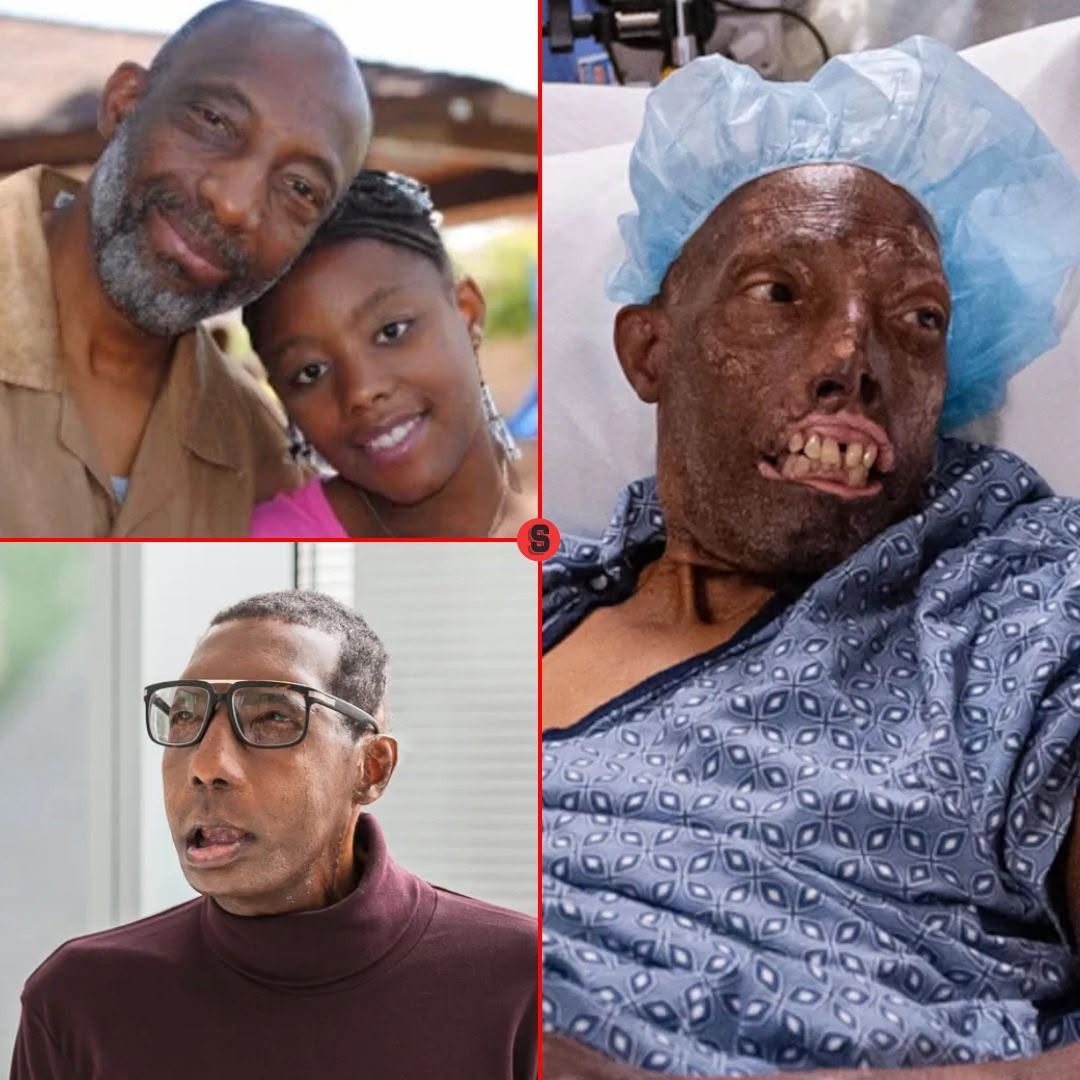
In 2013, a devastating encounter with a drunk driver completely altered the course of Robert Chelsea’s life. The violent collision caused his vehicle to explode, engulfing him in flames and resulting in severe burns that covered nearly sixty percent of his body. The physical toll was catastrophic; he lost his lips, a significant portion of his nose, and his ears, subsequently spending months in a medically induced coma as doctors fought to save his life. Although the tragedy left him with profound facial disfigurements, it ultimately set him on a path to making medical history.
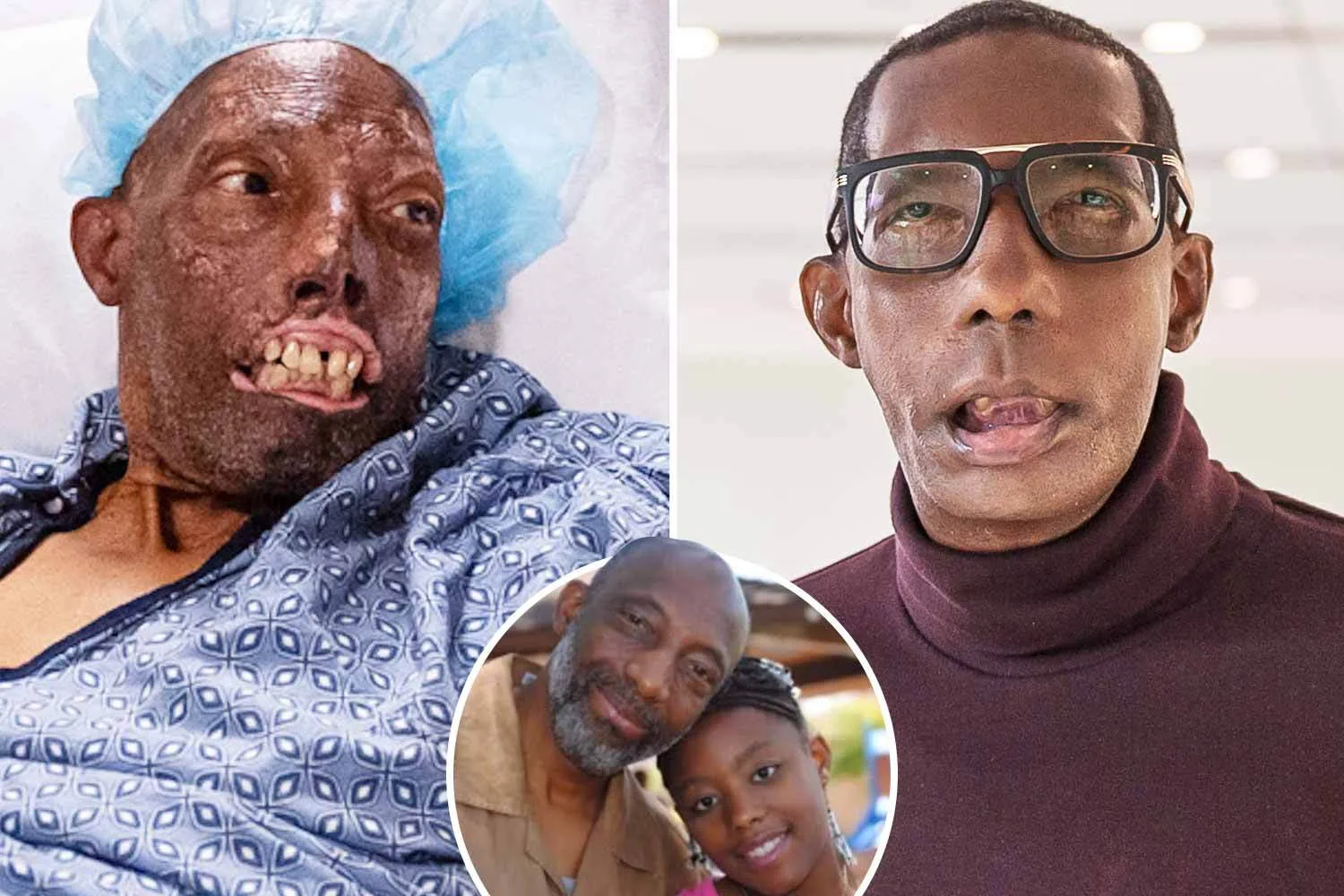
Six years after the accident, in 2019, Chelsea became a pioneer in modern medicine by becoming the first African American man, as well as the oldest person at age sixty-eight, to successfully receive a full face transplant. His journey to the operating room, however, highlighted a critical and often overlooked issue within the medical system. He had to wait patiently for a matching donor after initially turning down an option because the skin tone did not match his own. This decision brought much-needed global attention to the deep disparities and the stark lack of diversity existing within the organ donation network, especially for minority communities.
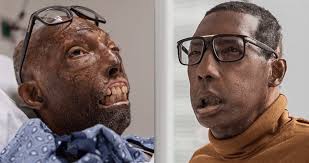
The historic, highly complex procedure took place at Brigham and Women’s Hospital in Boston, requiring a dedicated medical team and sixteen hours of intricate surgery to provide him with a new face. The operation was a resounding success, restoring not just physical structures, but a sense of normalcy and dignity. Today, Robert Chelsea stands as a powerful global symbol of resilience and courage. Rather than letting his tragedy define him, he uses his unique platform and lived experience to advocate for change, actively educating minority communities about the vital importance of organ donation and working to bridge the representation gap in the healthcare system.