How Phone and Medical Evidence Exposed the Truth About Preston Davey’s Death
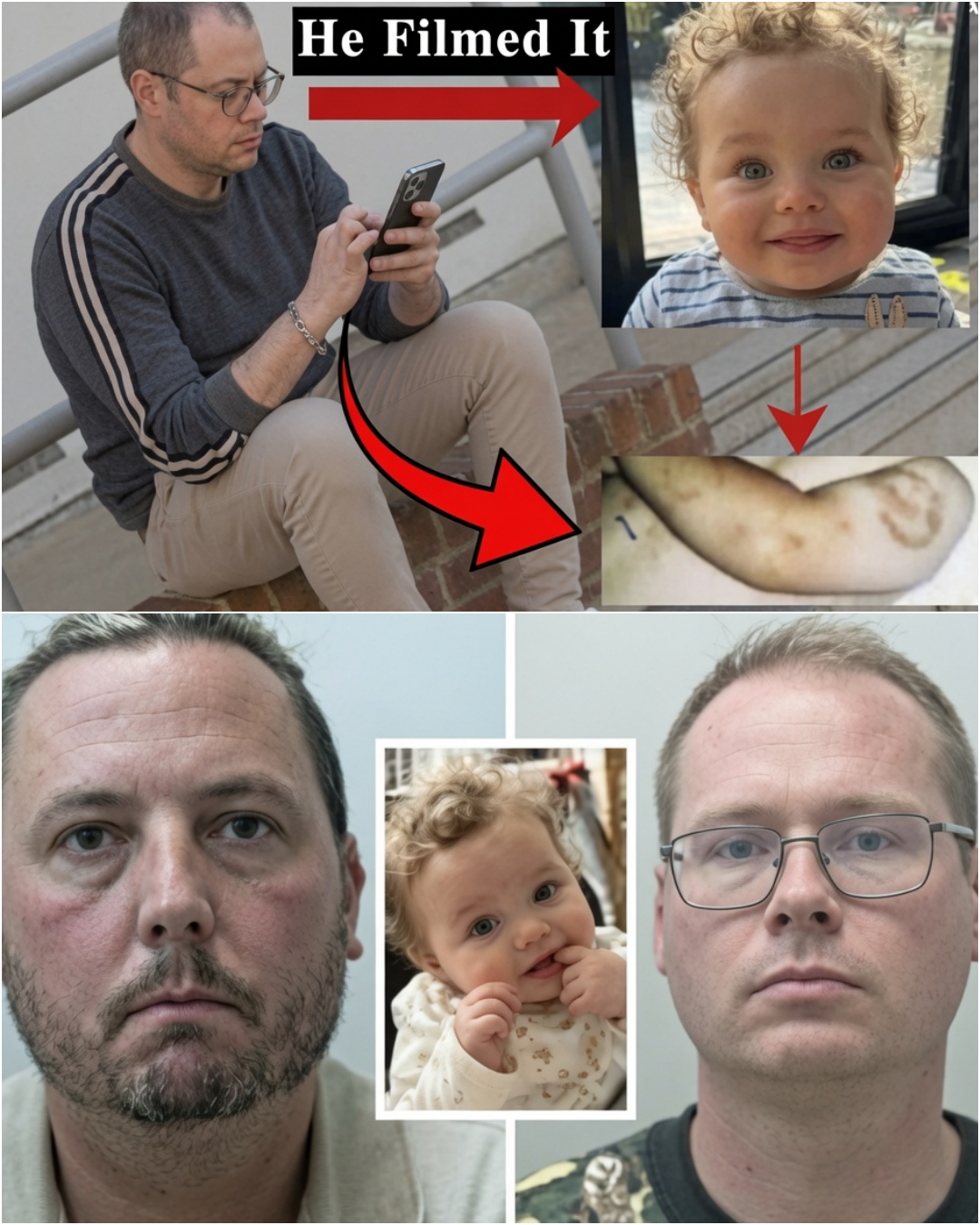
Meta description: Digital evidence and medical findings contradicted Jamie Varley’s bathtub story and helped prosecutors prove the murder and abuse of Preston Davey.
Jamie Varley claimed that 13-month-old Preston Davey had drowned in a bathtub. The account presented the baby’s death as a sudden domestic accident. Medical findings, phone evidence and expert analysis ultimately exposed a very different reality.
Preston was taken to Blackpool Victoria Hospital at approximately 6:30 p.m. on July 27, 2023. He was unconscious and in cardiac arrest. Despite sustained efforts by medical staff, he was pronounced dead less than an hour later.
Varley told investigators that he had briefly left Preston alone in the bath and returned to find him submerged. His claim was examined against the physical evidence.
The post-mortem examination found no medical basis for drowning as the cause of death. Preston’s hair was reportedly dry, he was still wearing a diaper, and there was no indication that he had swallowed the amount of water expected in a fatal drowning.
Instead, the pathologist concluded that Preston died from acute upper airway obstruction. Prosecutors said that his airway had been blocked through smothering or by an object placed into his mouth.
Injuries revealed a broader pattern
The examination did more than establish the cause of death. It identified around 40 external and internal injuries, including bruising and a healing fracture to Preston’s left arm that experts considered non-accidental.
Medical evidence also indicated physical and sexual assault. The findings showed that the fatal incident could not be understood as an isolated event. They formed part of a sustained pattern of harm during the four months Preston lived with Varley and John McGowan-Fazakerley.
Because Preston was too young to speak for himself, experts used his injuries, medical records and recovered digital material to reconstruct his final months and assess whether the explanations were plausible.
The evidence found on the phones
Police examined mobile devices belonging to the defendants and recovered illegal images and videos involving Preston. Some of the material documented cruelty and abuse, while other evidence connected the defendants to the creation, possession or distribution of indecent images.
The recorded material was especially significant because Varley denied responsibility. The jury could compare his account with objective medical findings, expert testimony and evidence recovered from his device.
Digital forensics can preserve material in its original form and help investigators organize large volumes of evidence chronologically. When combined with messages, device records and medical timelines, files recovered from a phone may clarify who created or received content and whether an account of events is consistent with the available evidence. The court must still assess that material alongside all other proof.
Prosecutors built a combined case
The prosecution depended on several forms of proof reinforcing one another. The post-mortem contradicted the drowning account, the injuries indicated repeated harm, hospital records documented earlier concerns and phone material provided direct digital evidence.
On June 15, 2026, a jury at Preston Crown Court convicted Varley of murder, two counts of assault by penetration, child cruelty, grievous bodily harm, sexual assault and numerous indecent-image offences.
McGowan-Fazakerley was convicted of allowing the death of a child, two child-cruelty offences and sexual assault.
Three days later, Varley received a whole-life order. McGowan-Fazakerley was sentenced to 25 years in prison.
Digital evidence and safeguarding
The case also raises a broader question about the role of digital information in adoption assessment and child protection. England’s Children’s Commissioner has said that no reasonable checks should automatically be excluded when authorities assess prospective adopters, including relevant digital records where legally permissible.
Any expansion of digital screening would require legal limits and privacy safeguards. It could not replace home visits, professional judgment or effective information sharing.
In the criminal investigation, however, phone evidence was decisive. It helped dismantle the story of a bathtub accident and documented conduct that Preston could never have described.
The convictions demonstrate how medical science, digital forensics and careful evidence analysis can work together to uncover the truth. They also leave a painful question: why the danger was conclusively recognized only after Preston had died.