Louis Hervé Case Raises Questions About Youth Violence, Child Welfare, and Political Backlash
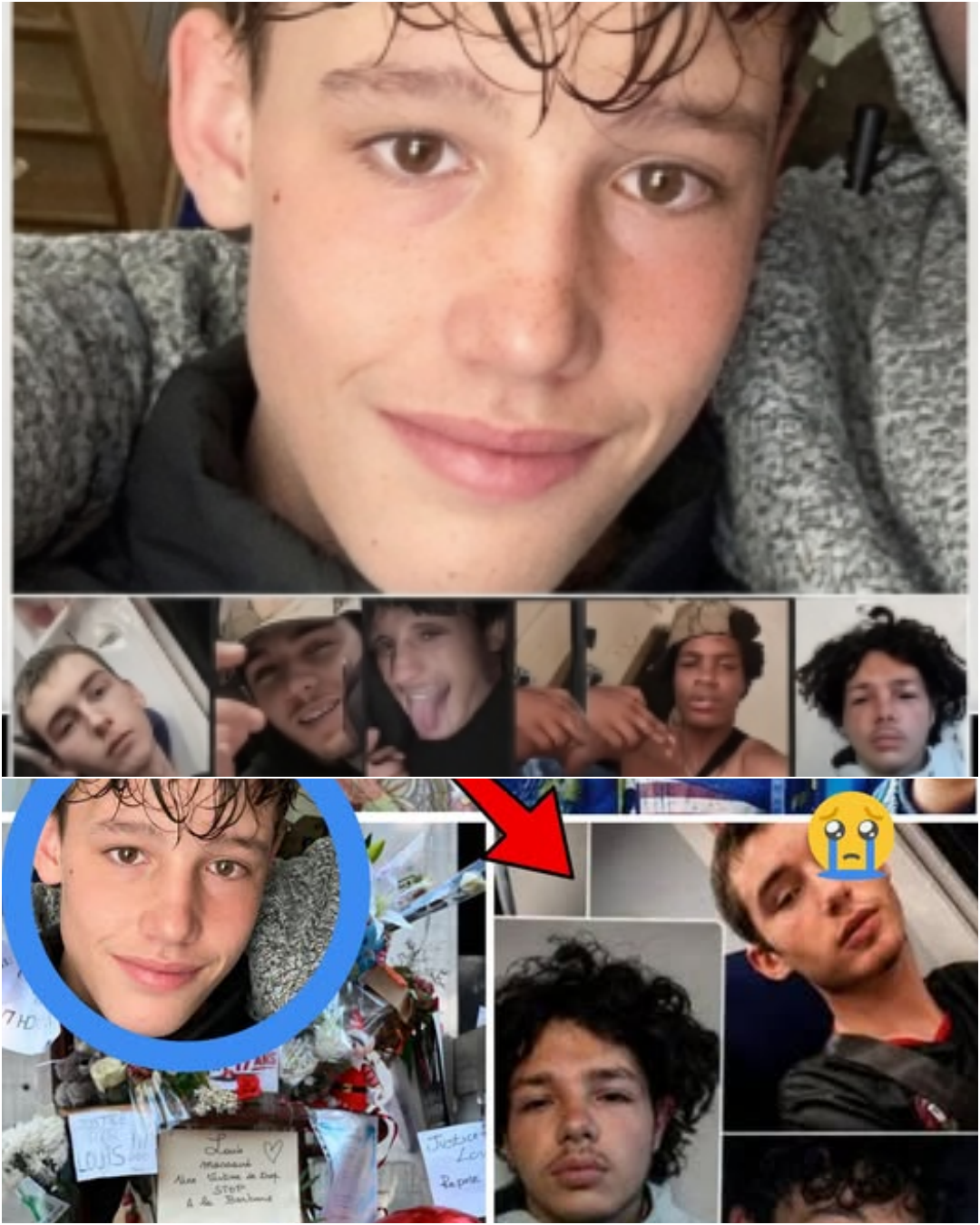
The death of 17-year-old Louis Hervé in Narbonne has become a major public issue in France, not only because of the criminal investigation, but also because of the wider questions it has raised. Behind the “Justice for Louis” slogan are difficult debates about youth violence, child welfare, social protection, and the political use of grief.
Louis died on June 23, 2026, after being found in critical condition at a construction site near the Narbonne train station. Five young suspects were placed under formal investigation and held in pre-trial detention. RTL reported that the prosecutor said the motive remained unknown and that no racial motive had been established at that stage.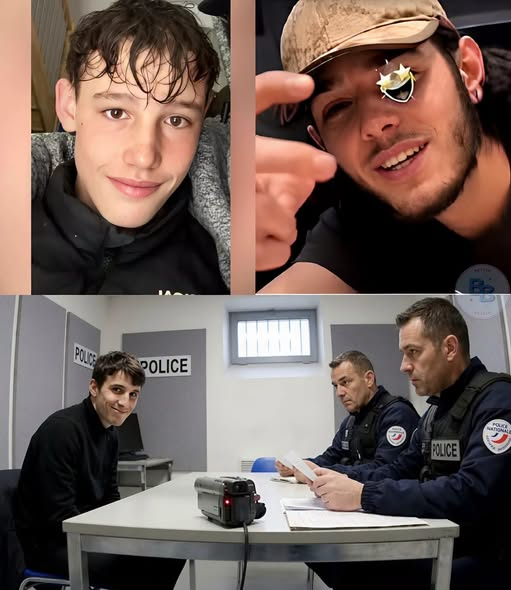
The case also brought attention to France’s child welfare system. RTL reported that Louis was under a provisional arrangement involving child welfare services and his parents, while three of the suspects were also known to child welfare services, though they were not placed in the same structure as Louis.
This detail has fueled a broader debate. Some people see the case as a warning sign about youth violence and the need for stronger justice measures. Others argue that the tragedy also exposes pressure on child protection systems, especially when vulnerable teenagers need long-term support. Parlons Politique noted that the case has placed the protection of minors, youth violence, and political exploitation at the center of public debate.
At the same time, Louis’ family has had to defend his memory from being used as a political tool. According to IBTimes UK, relatives rejected political exploitation and asked that attention remain on Louis, the legal process, and funeral arrangements.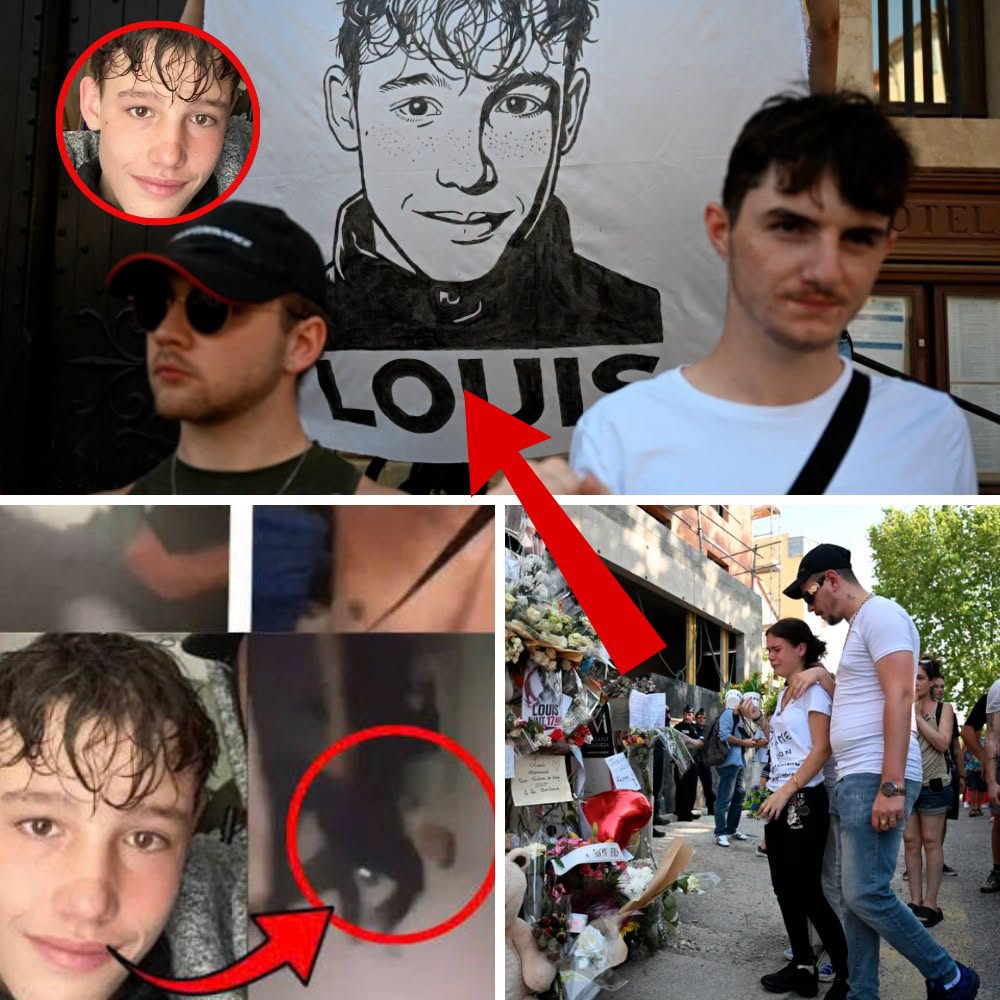
The marches that followed showed how emotional and divided the public response has become. La Dépêche reported that around 4,500 people joined the July 5 march in Narbonne, while the event also included far-right figures and identity activists.
The Louis Hervé case is now about more than one tragic event. It has become a test of how society responds to grief: with justice, with reform, or with political confrontation. For the family, the priority remains simple and deeply human. They want Louis to be remembered as a young person with a life, a future, and a name that should not be reduced to a slogan.
Sources: RTL, Parlons Politique, IBTimes UK, La Dépêche.