Why the Madeleine McCann Mystery Still Holds the World’s Attention
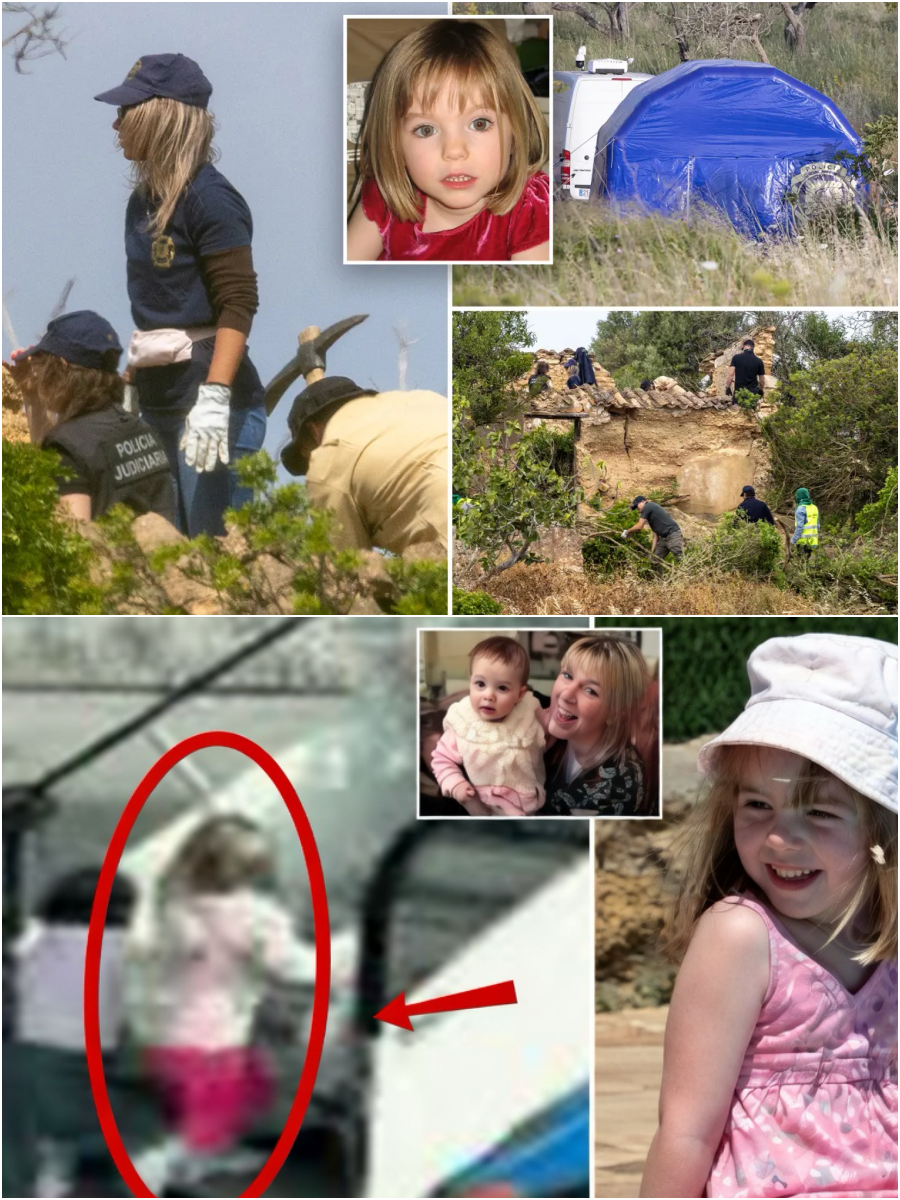
Topic sentence: The disappearance of Madeleine McCann continues to attract worldwide attention because it combines a parent’s worst fear, unanswered investigative questions and the possibility that one overlooked detail could still change everything.
On May 3, 2007, a family holiday in Portugal became the beginning of an international mystery.
Three-year-old Madeleine McCann disappeared from an apartment in Praia da Luz while her parents were having dinner with friends nearby. Her twin siblings remained in the room, but Madeleine was nowhere to be found.
Within days, her face had become recognizable across the world.
More than 19 years later, the case remains open.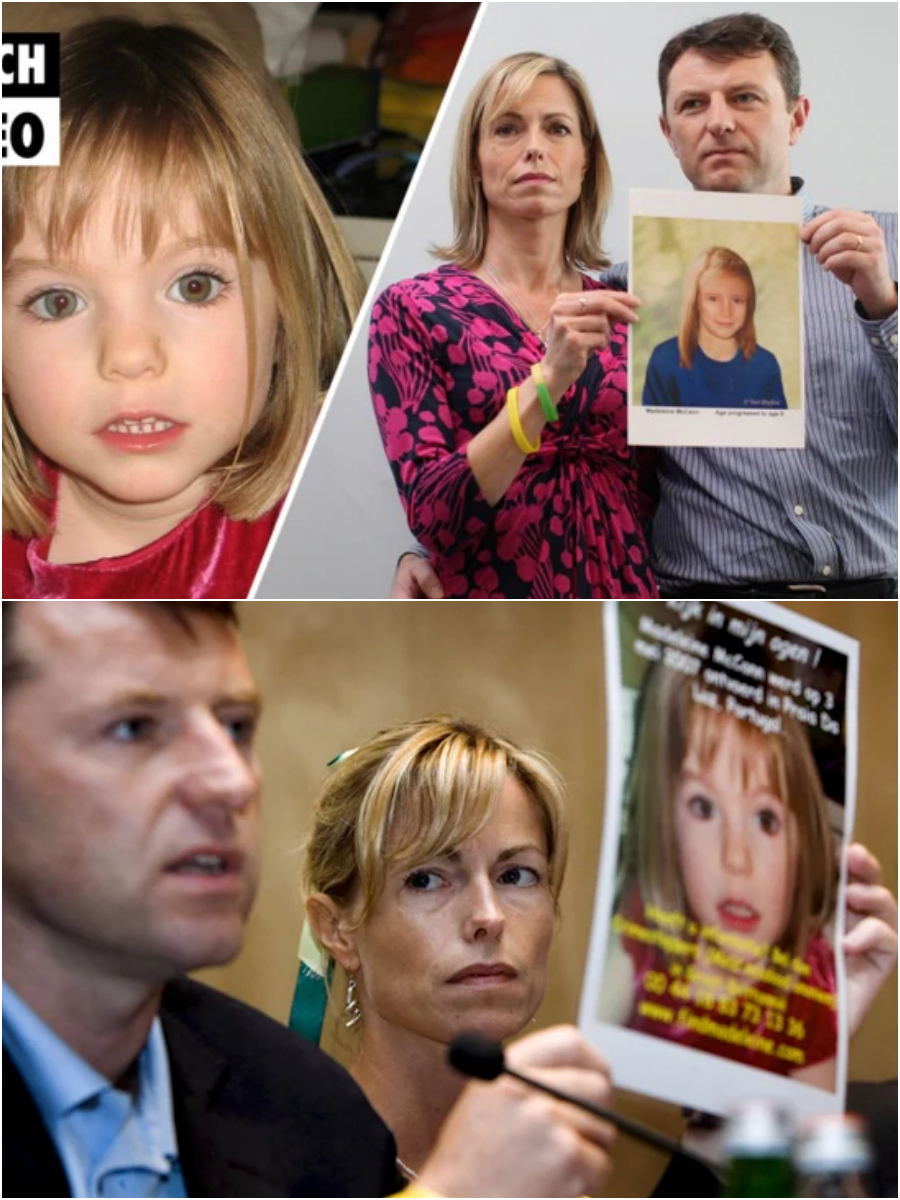
A disappearance that felt frighteningly possible
Part of the public reaction came from the ordinary nature of the setting.
The McCann family was staying at a popular holiday resort. The apartment was located near restaurants, swimming pools and other tourist accommodations. It was not an isolated location that appeared obviously threatening.
That familiarity made the case particularly disturbing. Many families could imagine themselves taking a similar holiday, following a similar evening routine or assuming their children were safe nearby.
The disappearance created a question that has never been fully answered: how could a young child vanish from a holiday apartment without leaving a clear, publicly confirmed trail?
A case examined by three countries
The investigation has involved authorities in Portugal, the United Kingdom and Germany.
Portuguese police handled the original inquiry and later reopened the case. Britain’s Metropolitan Police launched Operation Grange in 2011, initially reviewing earlier investigative material before turning the review into a full investigation in 2013.
The Metropolitan Police says the investigation remains active and that it continues to cooperate with Portuguese and German law enforcement.
German investigators entered the public story in 2020 when they identified Christian Brueckner as a suspect.
Brueckner had lived in the Algarve region. German authorities said they believed he was likely responsible and that Madeleine was presumed no longer alive.
But Brueckner denies involvement, and no court has found him responsible. He has not been charged over Madeleine’s disappearance.
Every new search renews public hope
The case repeatedly returns to international headlines when investigators search a new location or announce a change in their inquiry.
In June 2025, Portuguese and German police examined abandoned buildings, wells, reservoirs and extensive land around Atalaia. Authorities did not immediately announce a decisive result after the operation.
Brueckner’s release from a German prison in September 2025 also renewed attention. He had completed a sentence in an unrelated matter and had refused a British police request to be interviewed about Madeleine before his release.
Each development creates the possibility of a breakthrough. Each lack of resolution deepens the mystery.
Rumors can obscure the known facts
The extraordinary level of interest has also produced false sightings, unsupported theories and individuals claiming to possess information.
Social media has made these problems more difficult. Old stories can be reposted as breaking news, unverified claims can spread internationally within hours, and speculation can be presented without the legal safeguards used by police or established news organizations.
Several core facts remain unchanged.
Madeleine disappeared on May 3, 2007. She has never been found. No one has been convicted or charged over her disappearance. Brueckner remains a suspect but denies involvement.
Everything beyond those established facts must be evaluated carefully.
A human story behind the headlines
The continuing interest is not only about evidence, suspects or police searches.
At the center of the case is a child whose family has lived for years without a final answer.
For the public, Madeleine’s image has become connected to unresolved loss. For investigators, the case represents the challenge of reconstructing a brief moment after evidence has aged and memories have faded.
As of July 2026, Operation Grange continues. The official Metropolitan Police page confirms continued cooperation with Portugal and Germany and ongoing Home Office funding.
The world is still watching because the story has never reached an ending.
Until reliable evidence reveals what happened to Madeleine McCann, every renewed search and every official statement will carry the same possibility: that the next development may finally provide the answer missing for more than 19 years.