The Ultimate Test of Focus and Endurance: The Untold History Behind Alaska’s Traditional Ear Pull Competition
The Ultimate Test of Focus and Endurance: The Untold History Behind Alaska’s Traditional Ear Pull Competition
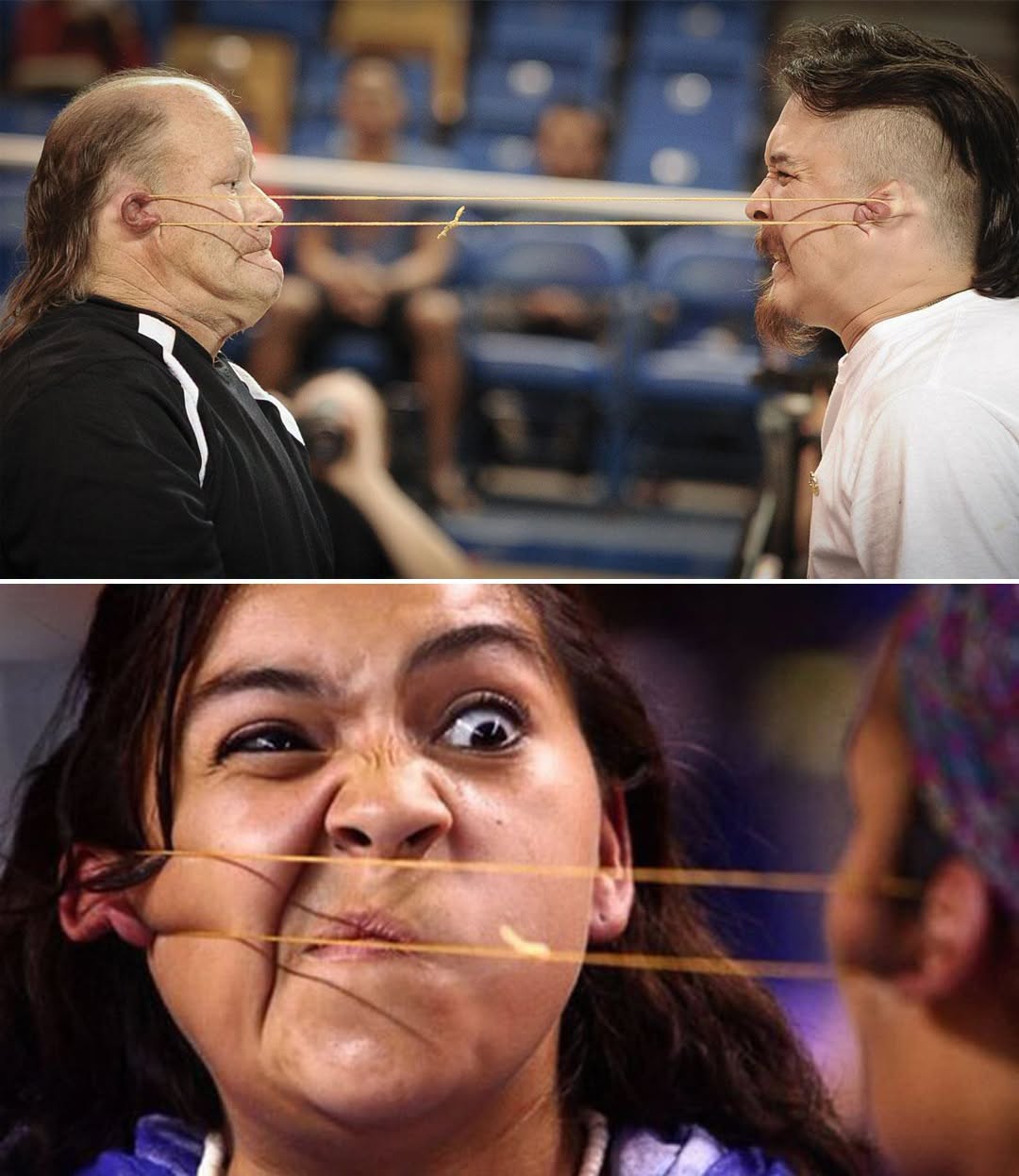
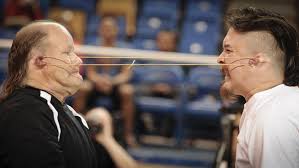
Deep within the heart of Fairbanks, Alaska, an extraordinary traditional sport continues to captivate audiences by turning physical agony into a profound demonstration of mental fortitude. Known as the Ear Pull, this event stands out as one of the most famous and fiercely contested competitions at the annual World Eskimo-Indian Olympics. The premise of the game is deceptively simple yet intensely brutal: two competitors sit on the floor facing each other with their legs completely interlocked. A single loop of tough, braided sinew cord is placed behind the ear of each athlete, connecting them together. At the official signal, both competitors lean straight backward, using the leverage of their bodies to pull against one another until the loop either slips off or one athlete reaches their physical limit and concedes.
To an outsider witnessing the event for the first time, the Ear Pull might look like a bizarre and extreme test created purely for public entertainment. However, the history of this sport runs much deeper than mere spectacle. For generations, Indigenous communities across the unforgiving Arctic landscape developed unique games to deliberately test physical strength, balance, endurance, and, perhaps most importantly, psychological self-control. These were not recreational hobbies; they were core survival skills required for hunting dangerous game, traveling long distances over unstable ice, and enduring the most hostile weather conditions on Earth. The Ear Pull, specifically, was engineered to measure a person’s capacity to remain perfectly focused and clear-minded while experiencing intense, sharp discomfort. It was never a pursuit aimed at dominating an opponent, but rather a deeply personal exploration of one’s own limitations and threshold for pain.
The platform preserving these unique traditions, the World Eskimo-Indian Olympics, was first established in Fairbanks in 1961 and has successfully thrived for more than six decades. Over the course of the four-day celebration, Indigenous athletes from various regions gather to compete in a wide array of traditional disciplines. These include the knuckle hop, the blanket toss, dramatic high kicks, the stick pull, and the grueling four-person carry. Each of these events serves as a living museum, directly inspired by the practical physical maneuvers once vital for carrying heavy food supplies, navigating treacherous terrain, and surviving the brutal, dark Arctic winters.
What truly sets this intense competition apart is its remarkable culture of sportsmanship. Even in the heat of a painful match, it is entirely common to see athletes shouting words of encouragement to their direct opponents. This phenomenon stems from the core realization that survival in the historical Arctic was never an individual achievement; it required radical cooperation and mutual trust. Because the modern Ear Pull places such immense pressure on the ear and neck, the modern organization utilizes trained officials and strict regulations to mitigate unnecessary medical risks. Jerking, twisting, or sudden movements are strictly prohibited to ensure the strain remains constant and controlled. Ultimately, the sport serves as a brilliant bridge between past and present, embodying a legacy of profound human resilience and honoring the ancestors who successfully learned to survive and thrive in one of the toughest environments on our planet.