AFTER MENINGITIS TOOK BOTH HER HANDS AS A TODDLER, THIS BRAVE GIRL IS NOW HELPING DESIGN 3D-PRINTED PROSTHETICS
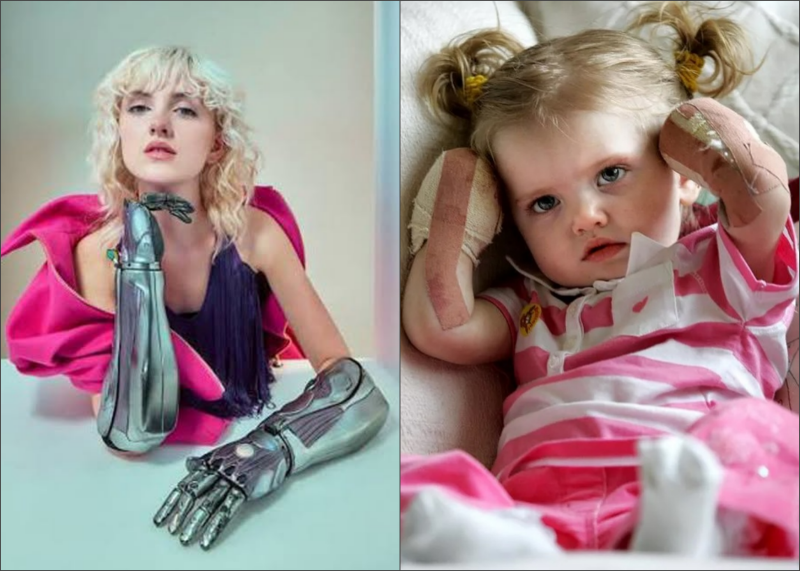
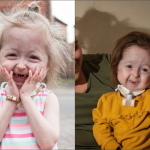
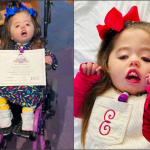
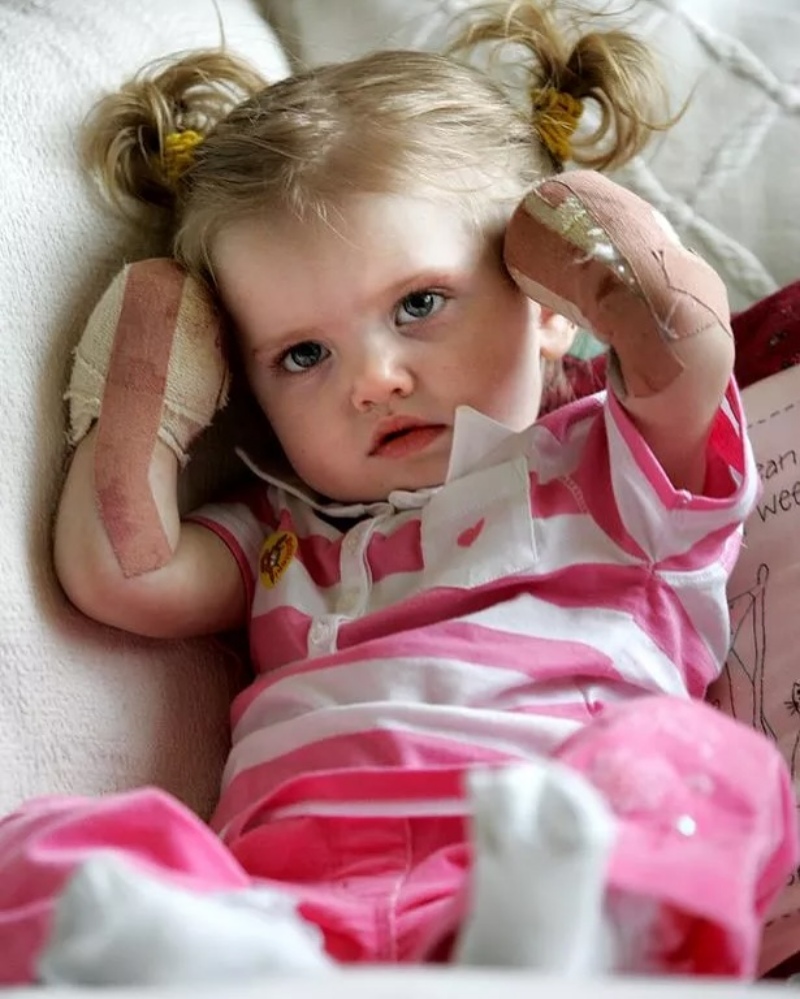
At just 15 months old, Tilly Lockey’s future was uncertain.
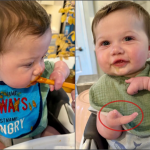
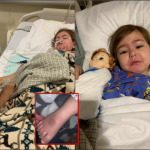
The little girl from County Durham became critically ill after developing Group B meningococcal septicaemia, a life-threatening infection that changed her life forever. To help save her life, doctors had to amputate both of her hands and several of her toes.
Her family was warned that her chances of survival were incredibly slim.
But Tilly had other plans.
Nearly two decades later, the once-fragile toddler has become one of the most recognizable faces in the world of bionic technology—not only wearing advanced prosthetic hands but helping to create them.
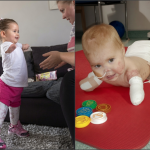
Growing up, Tilly refused to let her limb difference define her. She learned to paint, draw, open food packets, and complete everyday tasks by finding her own creative solutions.
“I’ll teach myself to do things,” Tilly once said. “If you keep trying, anything can come together in the end.”
Her first prosthetic hands were extremely basic, offering only simple opening and closing movements. While they restored some independence, they were far from perfect for an active child.
Determined to improve that future, Tilly began working with British robotics company Open Bionics, becoming far more than a prosthetic user.
For almost ten years, she tested prototypes, evaluated comfort, grip strength, weight, speed, and everyday usability—providing engineers with insights only someone living with prosthetic limbs could offer.
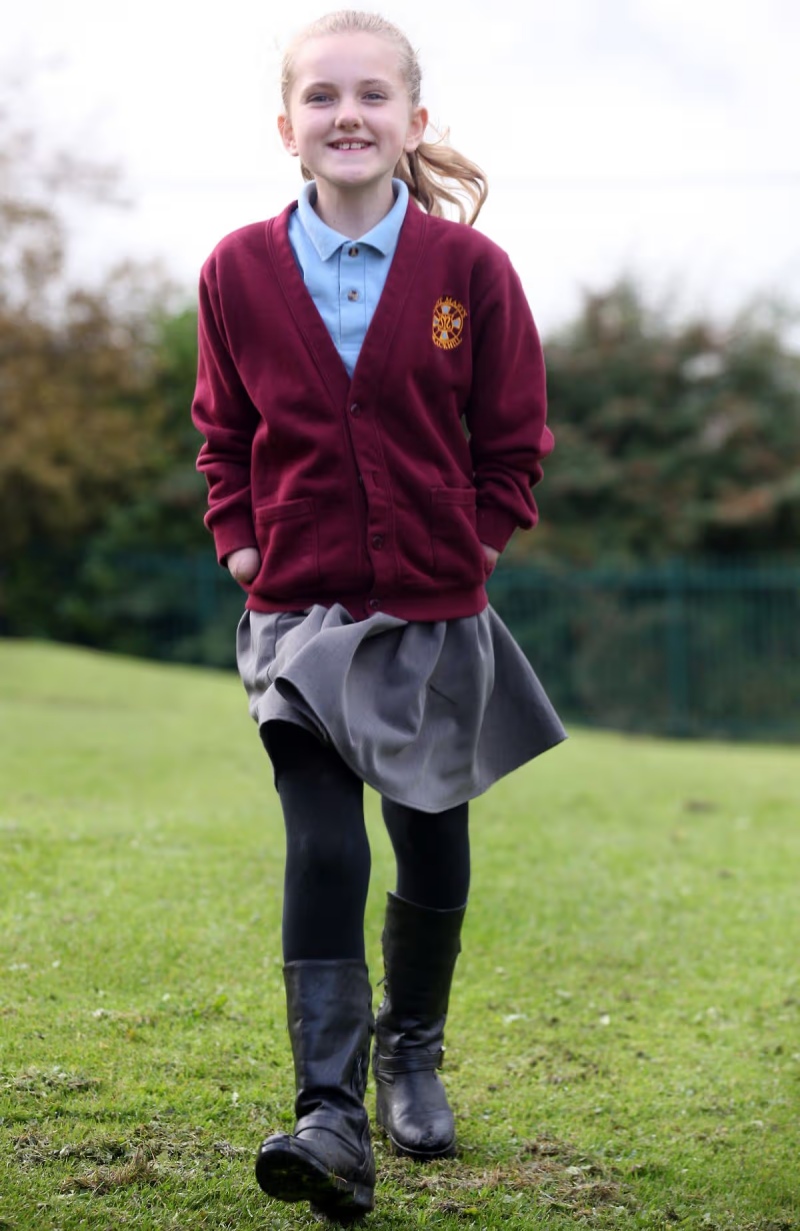
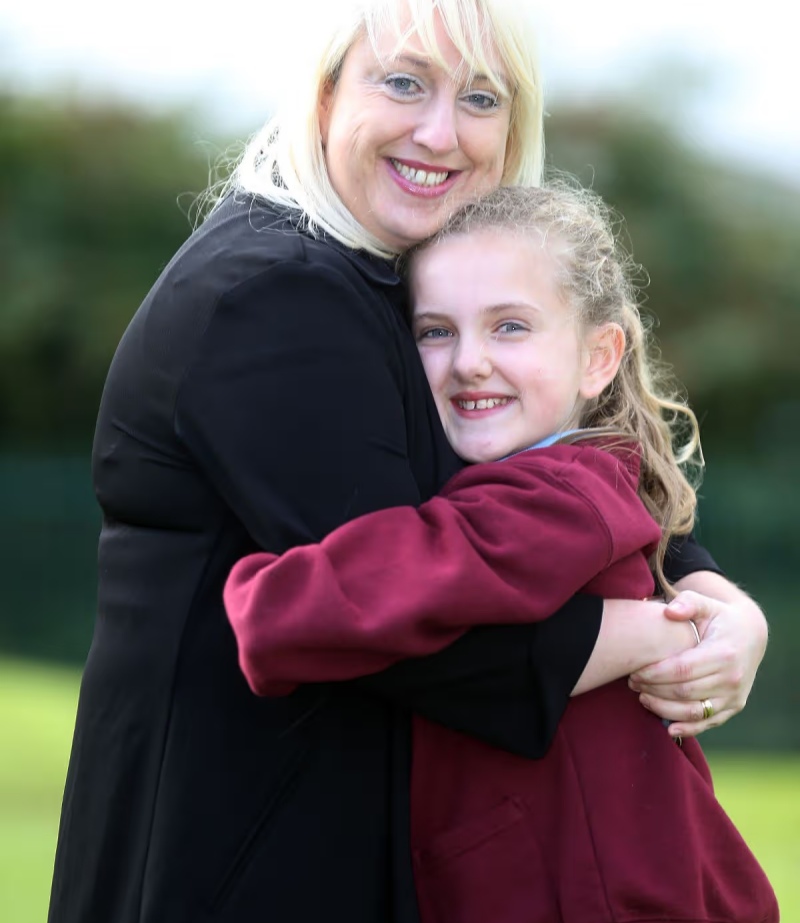
“Tilly tells them when something is uncomfortable, too heavy, or doesn’t work for everyday life,” her mother, Sarah, explained. “Children like her are the ones who can truly help improve this technology.”
In 2025, at the age of 19, Tilly helped unveil the company’s latest innovation—the Hero PRO bionic hand.
The new prosthetic uses tiny wireless sensors inside the socket to detect electrical signals created when Tilly contracts the muscles in her arms. Those signals are instantly translated into movement, allowing her to control the fingers naturally—without brain implants or handheld controllers.
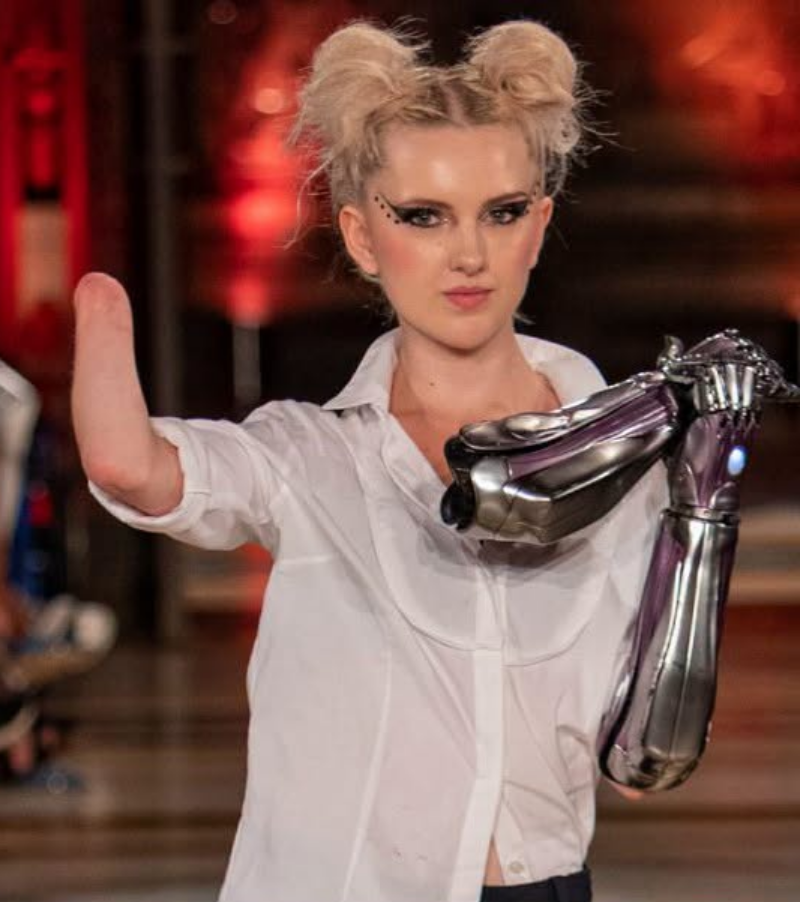
One of its most remarkable features even allows Tilly to remove one prosthetic hand and continue controlling it wirelessly from a short distance, demonstrating just how far the technology has evolved.
The Hero PRO can close its fingers in around 0.6 seconds, offers multiple grip patterns, allows wrist rotation, and is designed to better withstand everyday activities—including brief exposure to water.
Yet perhaps the most inspiring part of the story isn’t the technology itself.

It’s that Tilly helped build it.
Open Bionics spent years developing its newest generation of prosthetic hands using feedback from around 1,000 users, and Tilly became one of the most influential voices guiding that process.
From a little girl who was once told she might not survive, she has grown into a young woman helping shape technology that could improve life for thousands of people around the world.
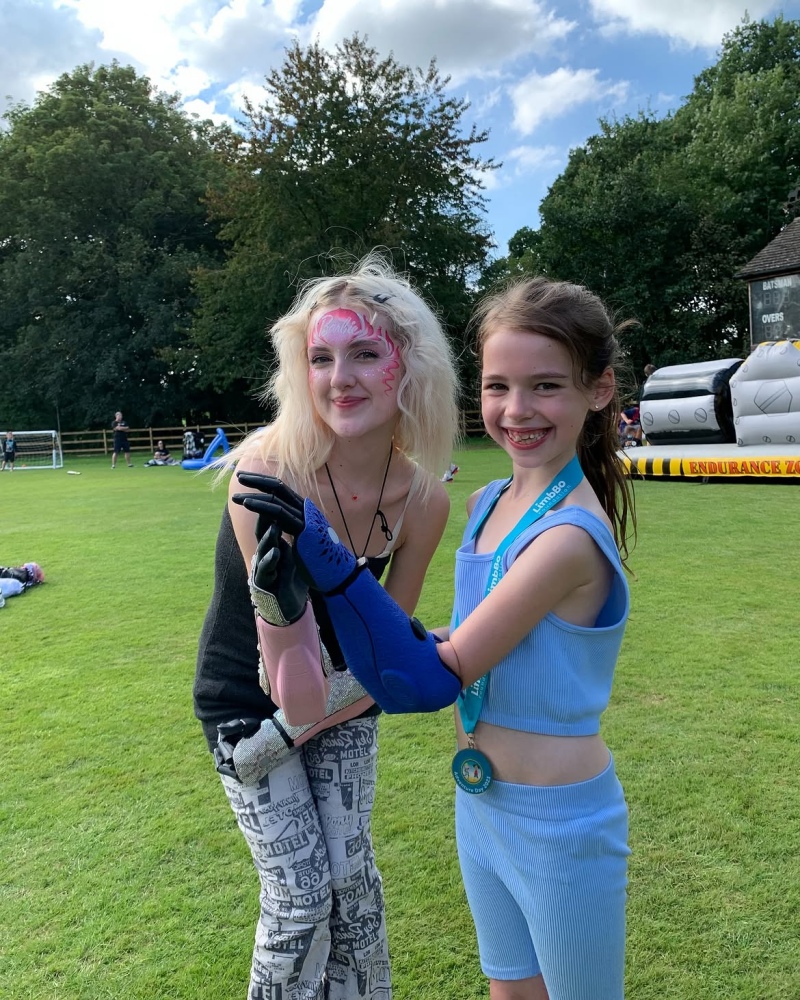
Looking back, Sarah still remembers the terrifying day everything changed.
“I felt completely helpless,” she recalled. “But when Tilly survived, we believed she was here for a reason.”
Source: The Mirror