Kumamoto Earthquake Leaves Mall Damaged, Roads Ruptured and Thousands Without Power
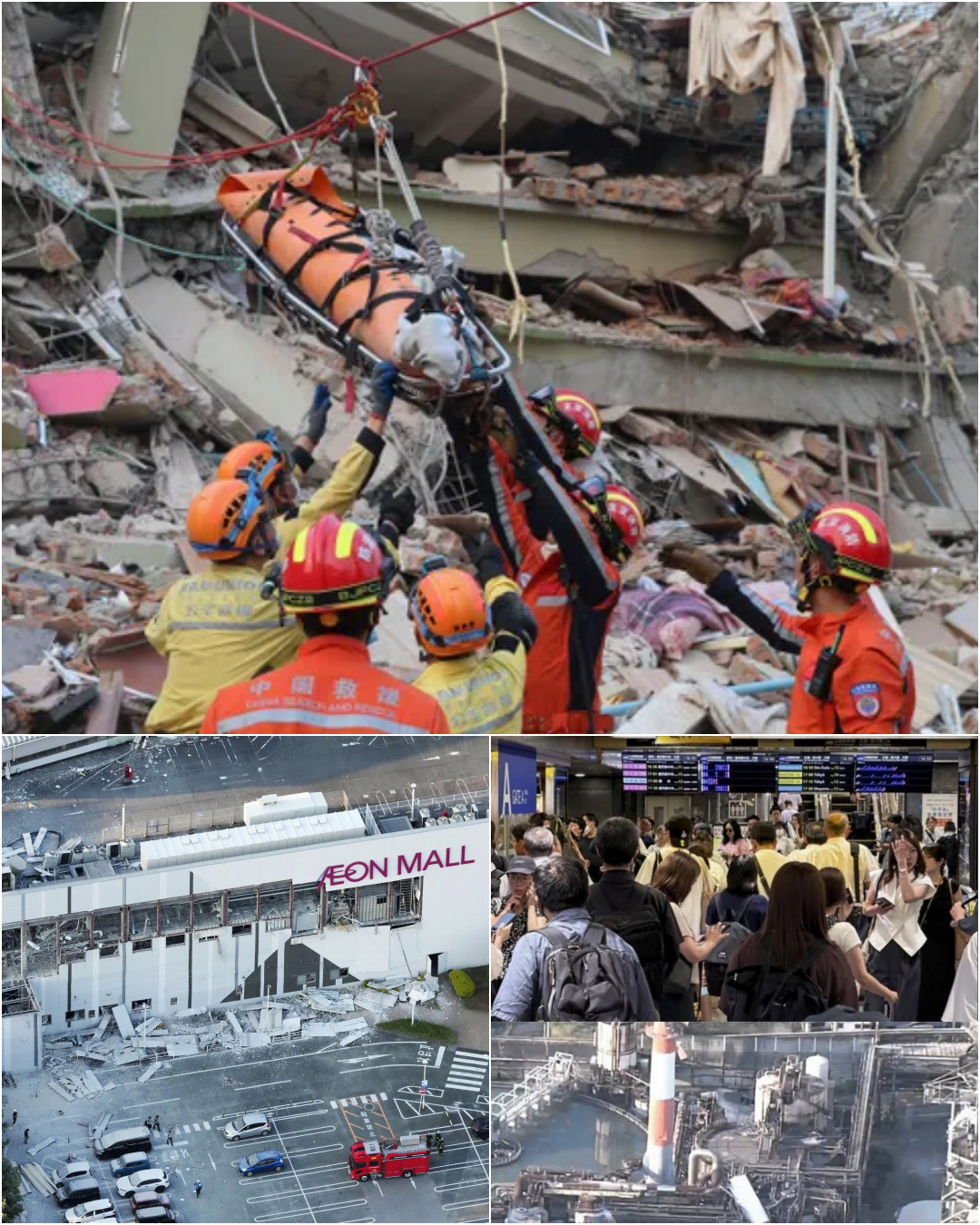
The destruction at AEON Mall Kumamoto became the most visible image of a broader earthquake emergency that affected homes, hospitals, roads, factories and transportation systems across southern Japan.
A powerful earthquake struck Kumamoto Prefecture on July 28, 2026, causing widespread damage across the southwestern Japanese island of Kyushu.
The Japan Meteorological Agency reported a magnitude of 7.1 and a depth of approximately 10 kilometers. The earthquake occurred at 4:27 p.m. local time and reached the maximum Japanese seismic intensity of 7 in parts of the affected region.
AEON Mall Kumamoto suffered some of the most dramatic damage. Customers and employees were evacuated following the initial shaking, but an explosion later destroyed a large section of one side of the complex.
The blast exposed steel beams and scattered construction materials across the parking area. Authorities began investigating whether gas infrastructure damaged by the earthquake may have been involved, although no official cause had been confirmed.
Rescuers removed eight people from the shopping center during an overnight search. Two women in their twenties were confirmed to have lost their lives. One additional person was found in cardiopulmonary arrest, while five others were injured without life-threatening conditions.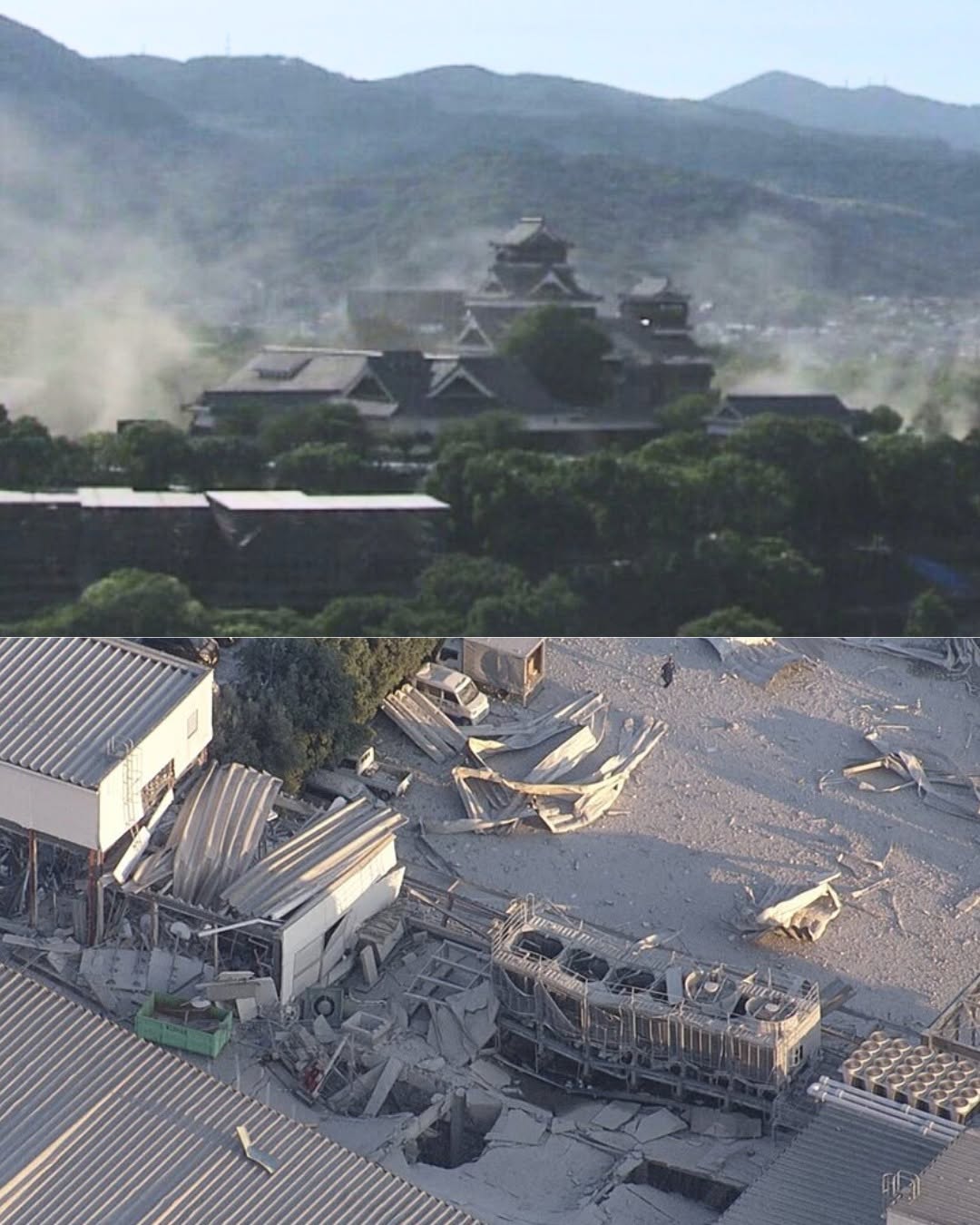
At least one other person was reported to have lost their life after a separate building collapsed elsewhere in the region. Hospitals treated large numbers of people with fractures, burns and other earthquake-related injuries.
Some medical facilities continued operating despite damage to electrical and water systems. Ambulances repeatedly arrived as emergency departments responded to the growing number of patients.
The earthquake caused serious disruption to electricity and transportation. Kyushu Electric Power reported that approximately 48,000 homes lost power.
JR Kyushu suspended multiple rail services, including Kyushu Shinkansen bullet trains. Kumamoto Airport closed its runway temporarily, causing airlines to cancel or redirect flights. Mobile communication services were also affected in some locations.
Major roads developed cracks, while some bridges and elevated sections were damaged. The condition of roads made it more difficult for emergency vehicles and residents to move through affected communities.
At a Nippon Paper Industries facility in Yatsushiro, a chimney collapsed and several people were initially reported missing. Emergency workers launched a separate search at the industrial site.
Major manufacturers operating in Kumamoto also responded to the disaster. TSMC, Sony and Fujifilm evacuated employees from facilities in the area.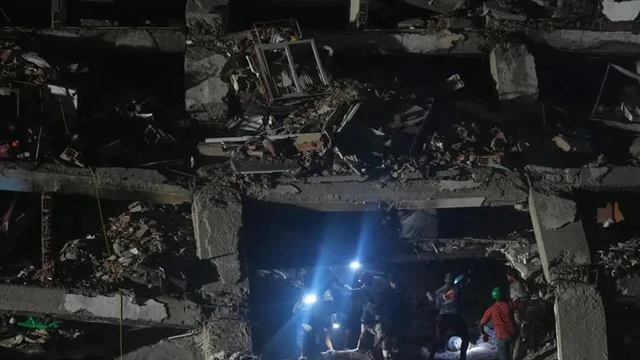
TSMC later said its plant had not suffered significant damage and that operations were gradually resuming. Tokyo Electron suspended work at two Kumamoto facilities, while Honda temporarily halted activity at a motorcycle factory.
About 300,000 residents were instructed to move to evacuation centers. A tsunami advisory issued after the earthquake was later lifted, but officials continued to warn about aftershocks and landslides.
No irregularities were reported at nuclear power stations in the wider area.
Authorities also faced the challenge of extreme summer weather. Temperatures in Kumamoto were expected to reach approximately 34 degrees Celsius on July 29, increasing the risk of heat-related illness among evacuees and emergency workers.
The Japanese government deployed approximately 3,600 military personnel and 20 aircraft to assist with disaster assessment and relief operations. Fire departments, police agencies and local government teams continued searching damaged buildings and checking isolated communities.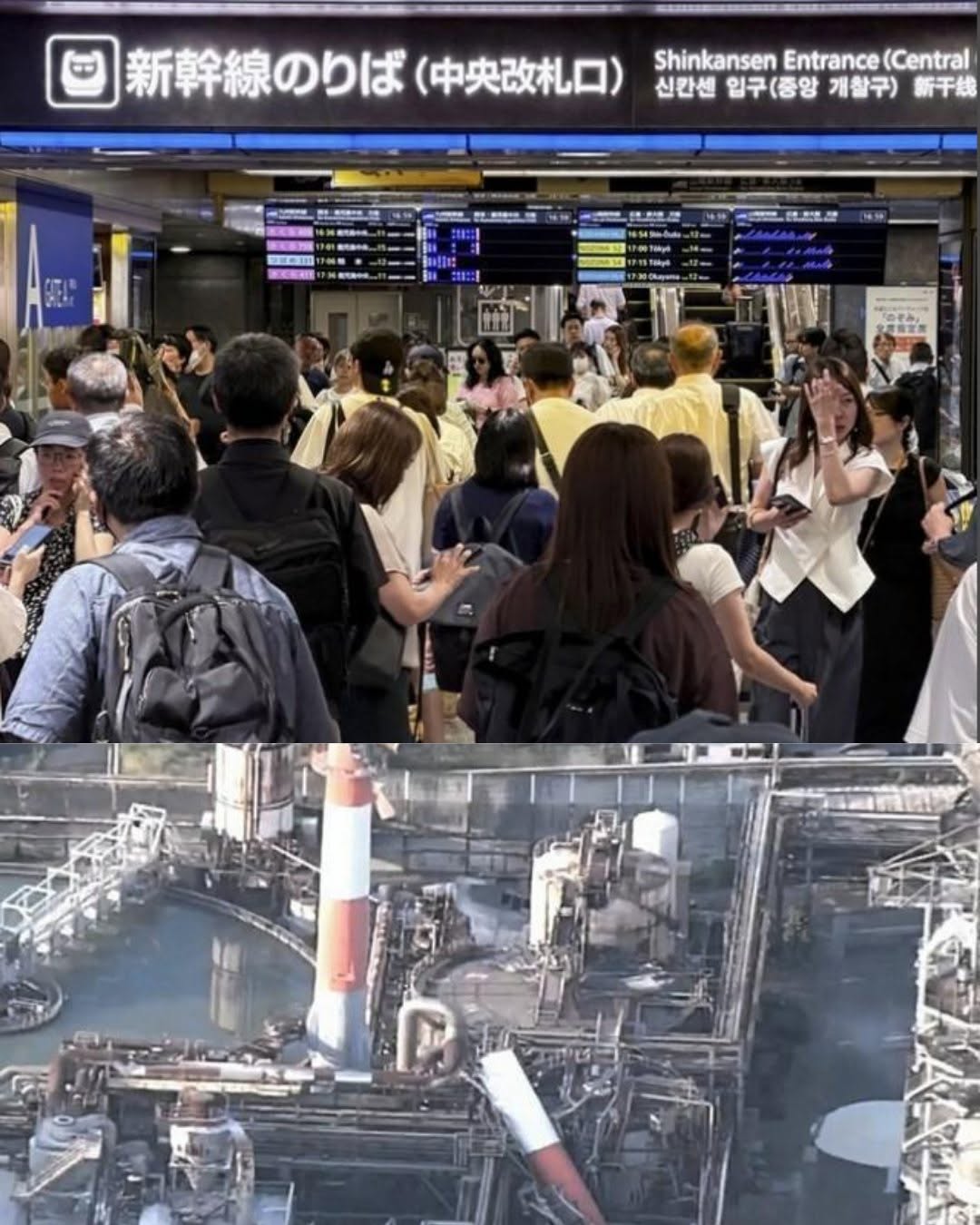
Officials said the full extent of the disaster could take time to establish. Casualty figures, missing-person reports and property damage assessments may change as rescue teams reach additional locations.
For residents of Kumamoto, the disaster is a painful reminder of the destructive earthquakes that struck the region in April 2016. The priority now is finding those who remain unaccounted for, supporting displaced families and preventing further harm during the continuing aftershock period.