The 76-Year-Old Professor Who Used His Own Body as a Shield to Save His Students
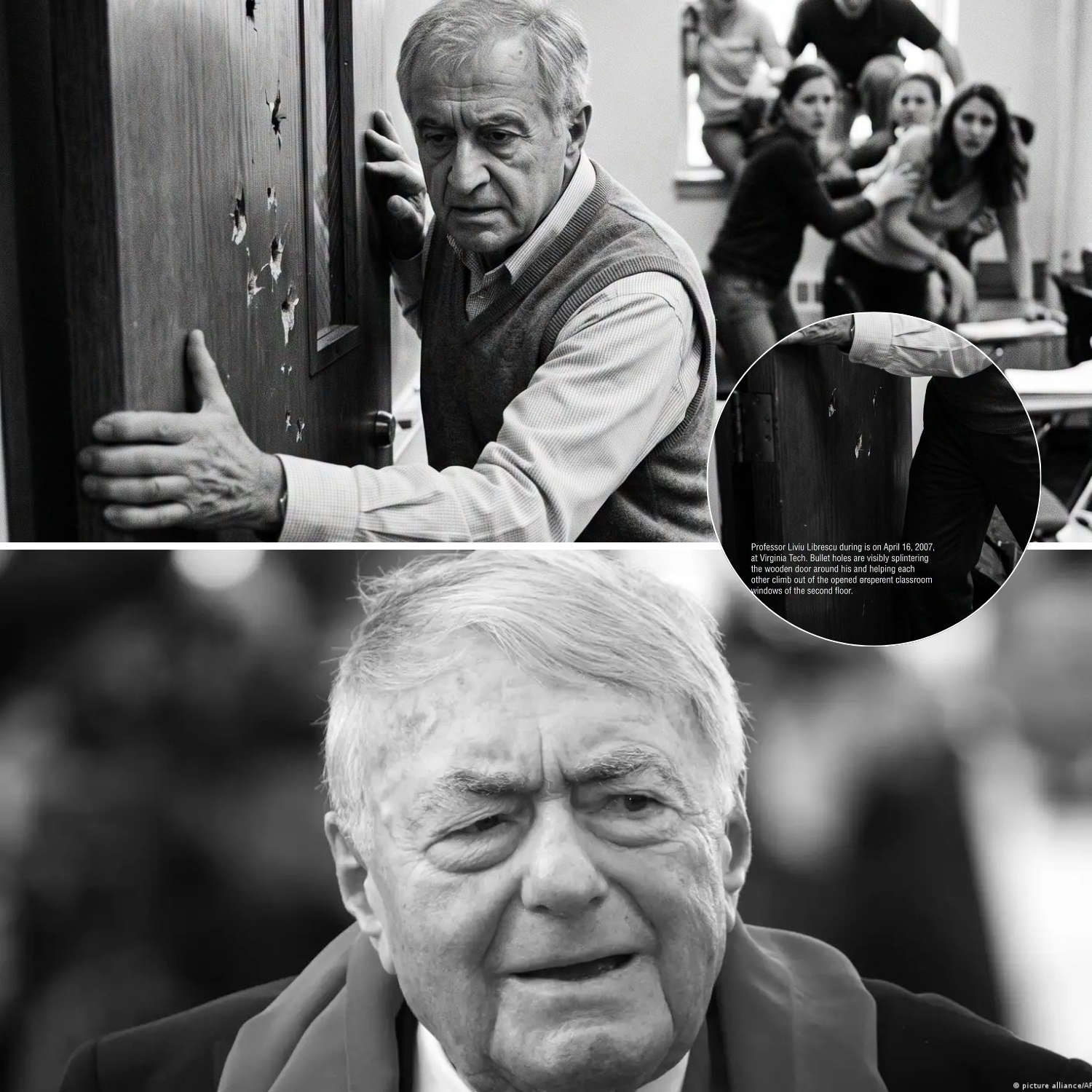
On the morning of April 16, 2007, one of the deadliest school shootings in American history unfolded at Virginia Tech. Amid the fear, chaos, and gunfire, a 76-year-old engineering professor made a split-second decision that would cost him his life—but save the lives of nearly two dozen students.
His name was Liviu Librescu, and his final act of courage continues to inspire people around the world.
When Gunfire Echoed Through the Hallway, He Didn’t Run
Professor Liviu Librescu was teaching a mechanical engineering class in Norris Hall when strange noises began coming from outside the classroom.
Within moments, those sounds became unmistakable—gunshots.
While confusion spread through the room, Librescu reacted instantly. Instead of looking for a way to escape, he rushed to the classroom door and pressed his body against it, refusing to let the gunman force his way inside.
At the same time, he shouted to his students over and over:
“Open the windows! Jump! Get out now!”
His students didn’t hesitate. One by one, they climbed through the classroom windows and leaped to safety below.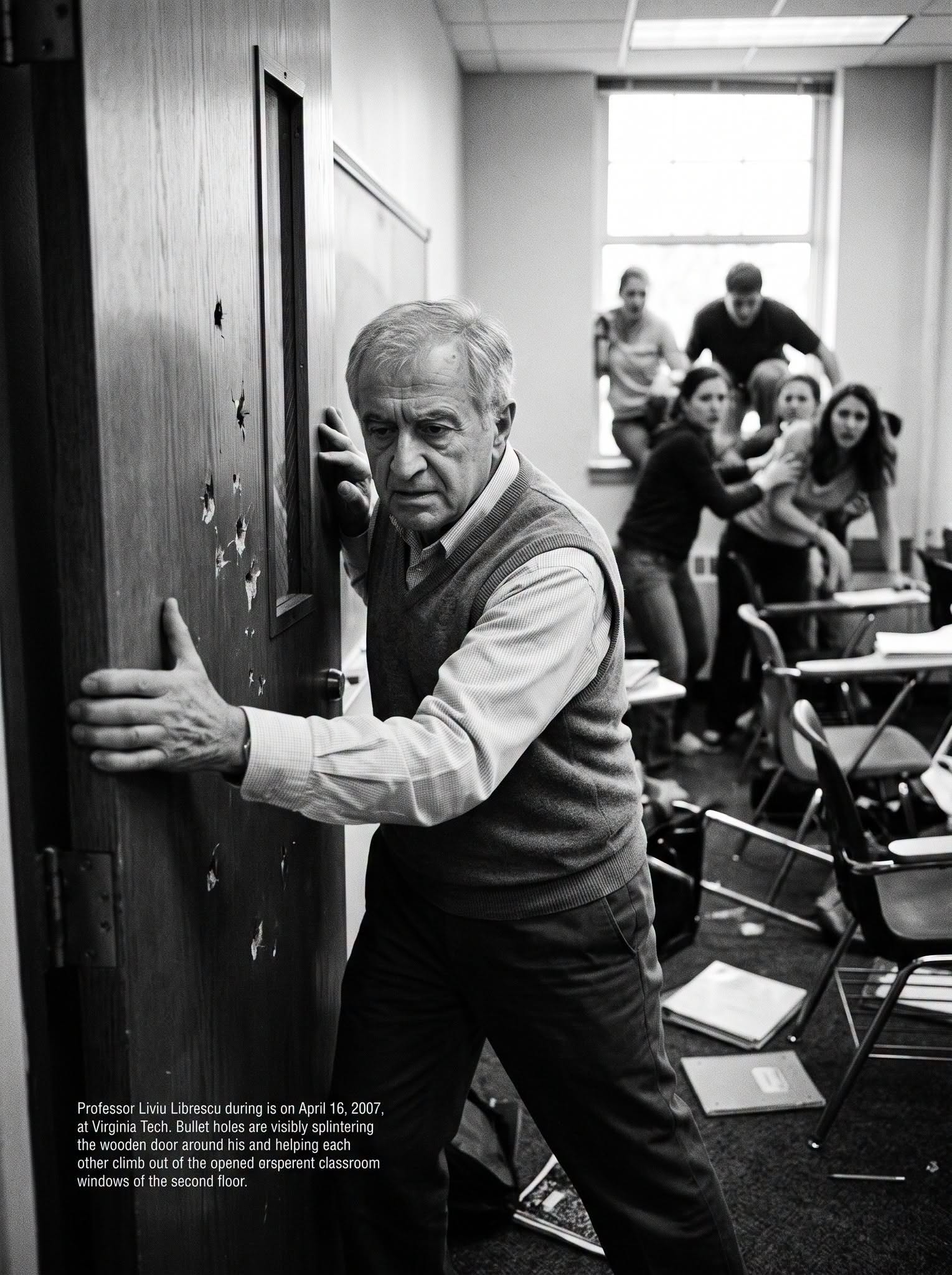
A Few Precious Seconds That Saved Lives
The classroom door had no lock.
The only thing standing between the shooter and the terrified students was a 76-year-old professor determined to buy them time.
The gunman repeatedly fired through the door as Librescu continued holding it shut despite being struck by bullets.
Those precious seconds made all the difference.
By the time the shooter finally broke into the classroom, most of the students had escaped through the windows. Professor Librescu was killed, but his extraordinary sacrifice is credited with saving the lives of approximately 22 students.
Many survivors later said they would not be alive today if their professor had not chosen to stay behind.
A Survivor Long Before That Day
What makes Liviu Librescu’s story even more remarkable is that he had already survived some of history’s darkest moments.
Born in Romania in 1930 to a Jewish family, he endured the horrors of the Holocaust as a child.
Years later, under Romania’s communist regime, he faced political persecution that limited his academic career because he refused to compromise his principles.
In 1978, Librescu and his family immigrated to Israel, where he continued his groundbreaking research in aerospace engineering.
In 1985, he accepted an invitation to teach at Virginia Tech. What was initially planned as a temporary appointment became a lifelong commitment to educating future engineers.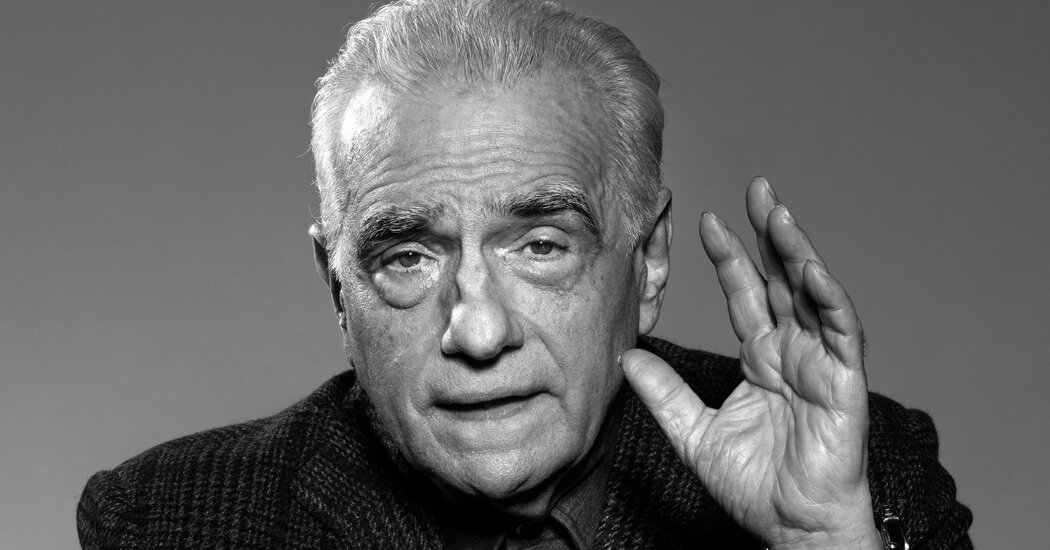
A Brilliant Scientist—and an Even Greater Teacher
Throughout his career, Professor Librescu earned international recognition for his pioneering work in aerospace engineering, structural mechanics, and composite materials.
But those who knew him best rarely spoke first about his research.
They remembered a humble professor who always put his students first—someone who patiently answered questions, encouraged curiosity, and cared deeply about every person in his classroom.
His final act simply reflected the kind of man he had always been.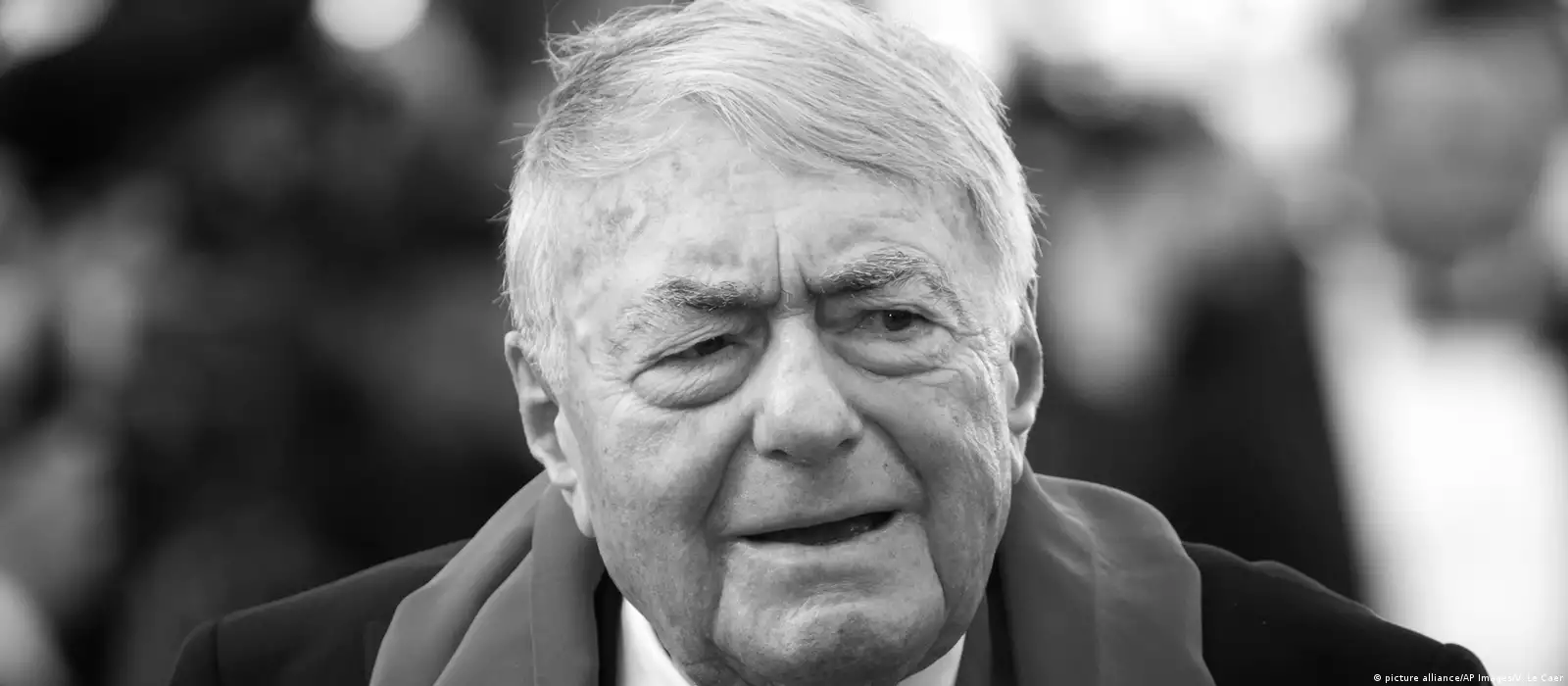
The Legacy of an Unforgettable Hero
Following the Virginia Tech tragedy, Liviu Librescu received numerous honors recognizing his extraordinary bravery.
Yet perhaps his greatest legacy isn’t found in medals or memorials.
It’s found in the lives of the students who escaped because their professor refused to give up.
Many of them went on to build careers, raise families, and pursue dreams that would never have been possible without the few moments Librescu bought with his own life.
Some heroes wear uniforms.
Some become famous through extraordinary achievements.
And some quietly stand in front of a classroom door, fully aware of the danger, choosing to protect others instead of themselves.
Professor Liviu Librescu’s story is more than a tale of courage—it is a timeless reminder that true heroism is measured not by words, but by the willingness to put others before yourself, even in the face of unimaginable danger.