Danny Trejo Spent Years Behind Bars—Then a Call for Help Led Him to Hollywood
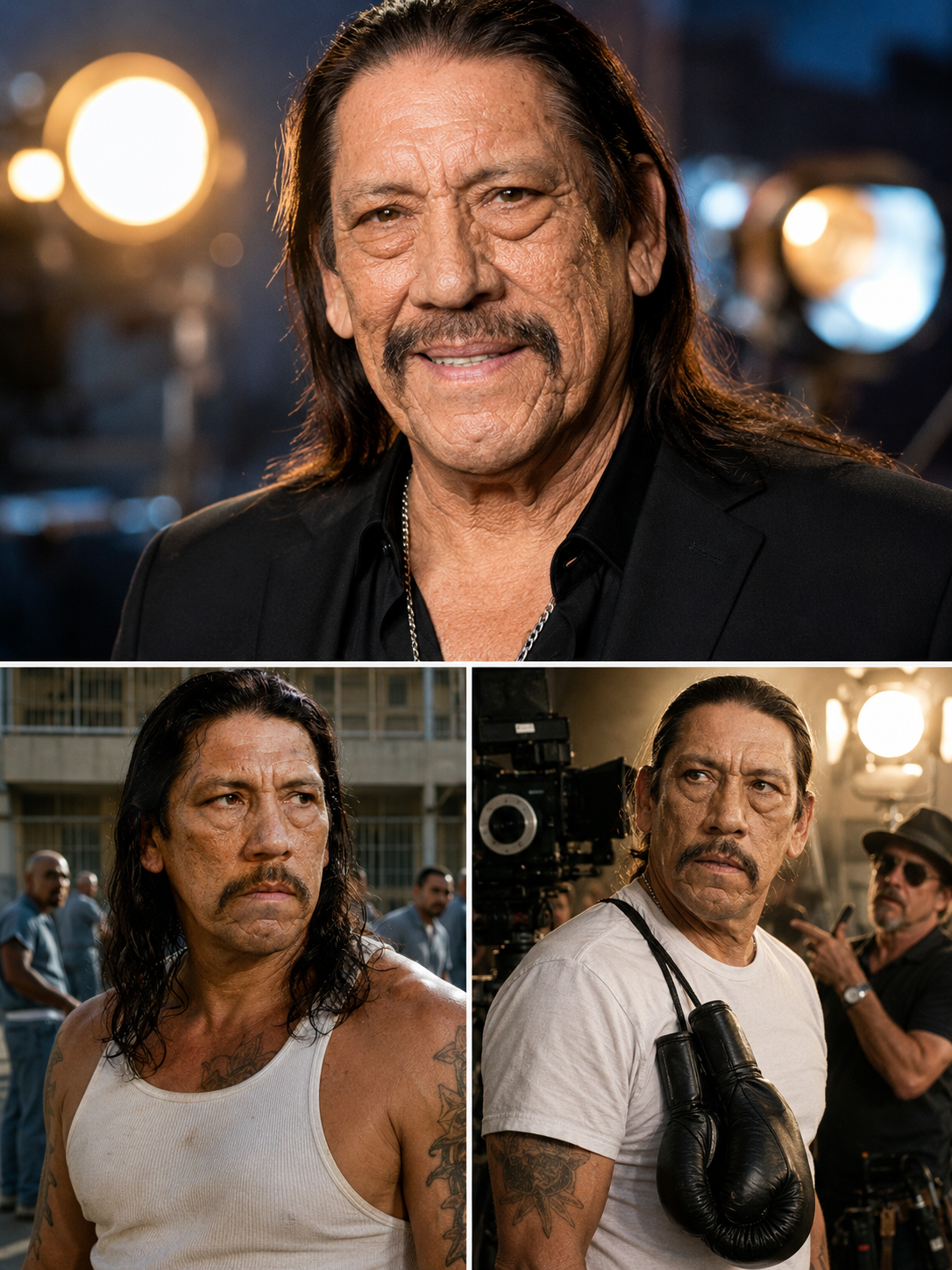
Danny Trejo did not arrive on a movie set with an agent, a résumé or a carefully rehearsed audition.
He went because someone struggling with drugs had called him for help.
The set belonged to Runaway Train, a 1985 prison thriller starring Jon Voight and Eric Roberts. Trejo, then working in addiction recovery, expected to offer support and leave. Instead, a former prisoner recognized him, filmmakers learned about his boxing experience, and the tattooed ex-convict was suddenly standing in front of a camera.
That accidental visit opened a career lasting more than four decades.
Trejo would become one of Hollywood’s most recognizable character actors, appearing in everything from Heat and Desperado to Spy Kids, Breaking Bad and Machete. His weathered face and intimidating presence made him a natural screen villain, but the life behind that image was more complicated than the criminals he frequently portrayed.
Long before Hollywood paid him to look dangerous, Trejo had lived inside genuine violence, addiction and incarceration. His transformation began not with fame, but with sobriety and a commitment to help others avoid the life that had nearly destroyed him.
A Childhood Pulled Toward Crime
Trejo was born in California in 1944 and grew up in the Los Angeles area. He has described a troubled home life and the powerful influence of an uncle who introduced him to drugs and crime while he was still very young.
By his own account, Trejo was exposed to marijuana as a child and later became addicted to heroin. Drugs required money, and crime became the means of obtaining it.
He stole, dealt drugs and committed robberies. Arrests led to juvenile detention, county jail and eventually some of California’s most notorious prisons. During the 1960s, he served time in institutions including San Quentin, Folsom and Soledad.
Prison hardened him, but it also gave him a place to use a skill he had developed early: boxing.
Trejo became an accomplished prison fighter and has said he won championships in lightweight and welterweight divisions. Boxing gave him status and a method of survival, yet it did nothing to change the direction of his life outside the ring.
He remained trapped in addiction and violence.
The turning point came during his final period of incarceration. After becoming involved in a prison disturbance, Trejo faced the possibility of severe additional punishment. Isolated and uncertain about his future, he began praying and committed himself more seriously to a 12-step recovery program.
He later described making a bargain with God: allow him to die with dignity, and he would dedicate himself to helping other people.
Trejo was released in 1969. He remained sober and began fulfilling that promise.
Building a Life Far From the Screen
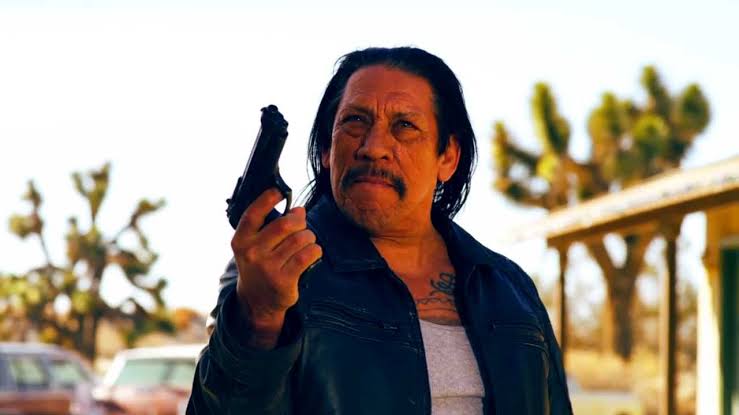
After prison, Trejo took ordinary jobs and became involved in recovery work. He attended meetings, sponsored people struggling with addiction and developed a reputation as someone who would answer calls at difficult hours.
This was not a temporary act of rehabilitation designed to improve his public image. There was no public image yet.
Trejo had no reason to believe he would become famous. His focus was staying sober and helping others do the same.
He worked in construction and other manual jobs while counseling people with substance-use problems. The discipline required was different from prison boxing, but the stakes were equally personal. Trejo understood that returning to drugs could lead him back to incarceration or death.
Years later, one of the people he was helping contacted him from a film production. Cocaine was reportedly available on the set, and the man feared relapsing.
Trejo went to meet him.
That decision—an extension of the recovery work he had been doing for years—became the most important professional opportunity of his life.
The Day Hollywood Found Him
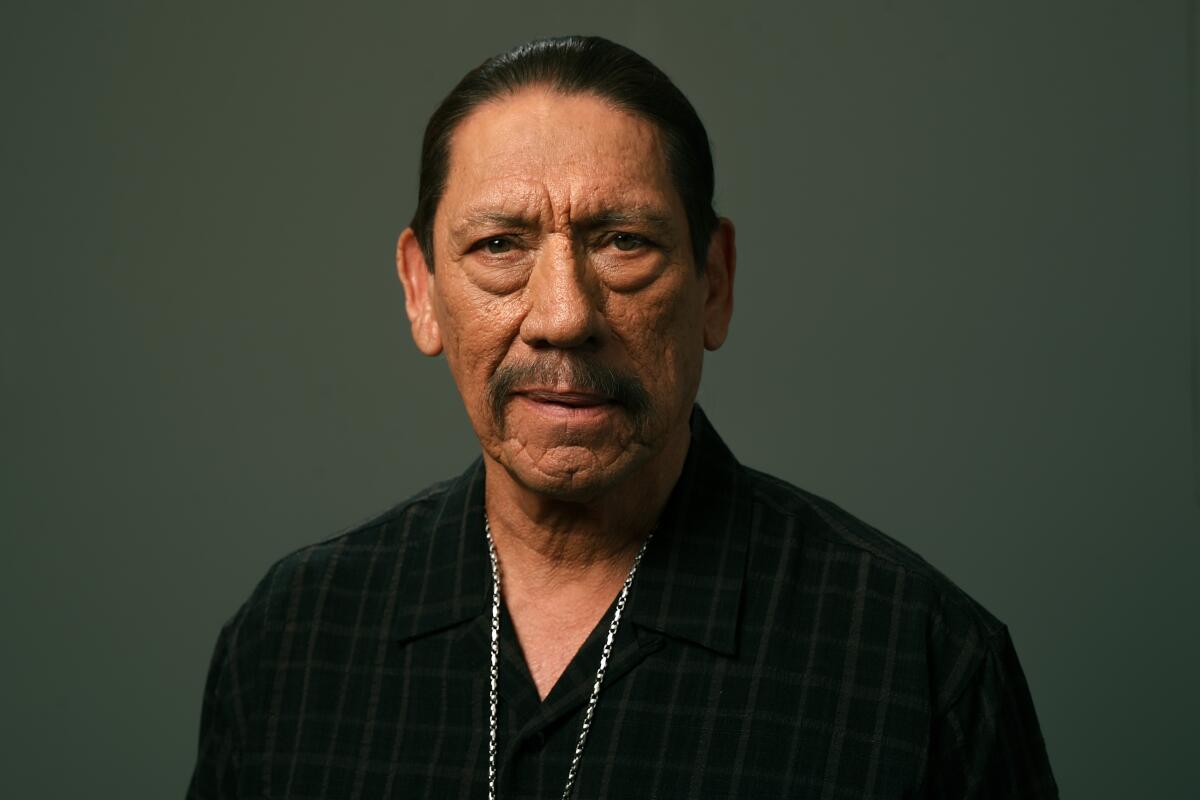
Runaway Train was being directed by Andrei Konchalovsky and filmed partly around prison environments. Once Trejo arrived, screenwriter Edward Bunker recognized him from their years in the California prison system.
Bunker had also rebuilt his life after incarceration, becoming a respected crime writer and actor. He knew about Trejo’s reputation as a boxer and helped connect him with the production.
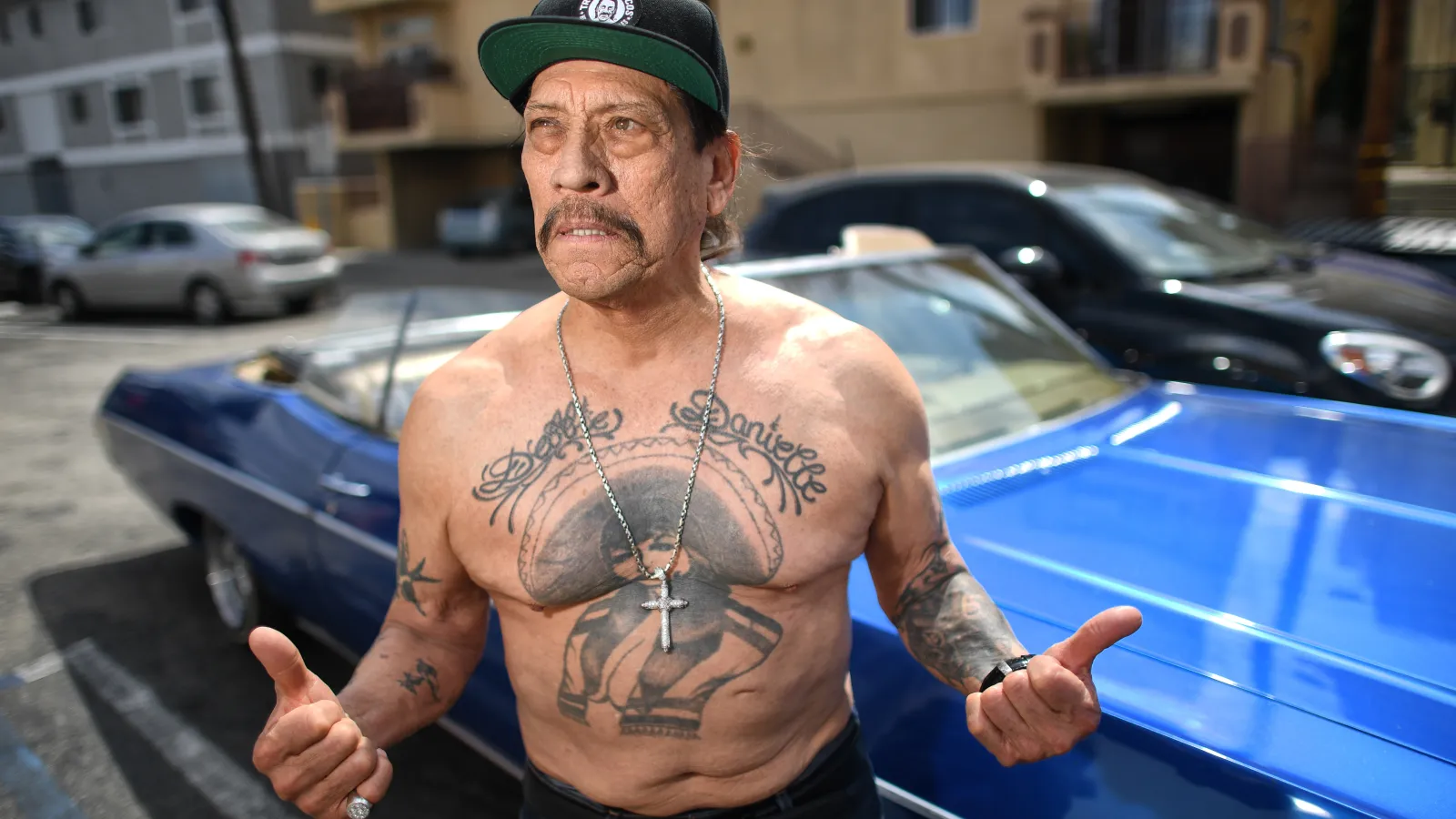
Trejo was initially offered work as a background prisoner. He did not need a costume department to manufacture authenticity. His muscular build, tattoos and face marked by years of hard living immediately distinguished him from the other extras.
When filmmakers discovered his boxing experience, he was hired to help train Eric Roberts for fight scenes. Trejo also appeared on camera as Roberts’ opponent.
What began as a visit to protect someone’s sobriety became his first film job.
Trejo had not studied acting in a traditional school. What he possessed was an intensity that cameras understood immediately. When asked to threaten someone, he did not have to imagine how danger looked or sounded.
More roles followed.
At first, the characters were usually identified by their function rather than their humanity: inmate, gang member, enforcer or tattooed criminal. Hollywood was willing to use Trejo’s appearance long before it was interested in exploring his range.
He accepted the work and treated every opportunity seriously.
Becoming Hollywood’s Most Familiar Outlaw
During the 1990s, Trejo’s career accelerated. He appeared in Desperado, directed by his second cousin Robert Rodriguez, and played members of criminal worlds in movies such as Heat, From Dusk Till Dawn and Con Air.
His characters often had limited screen time, but audiences remembered them. Trejo could enter a scene without speaking and immediately change its temperature.
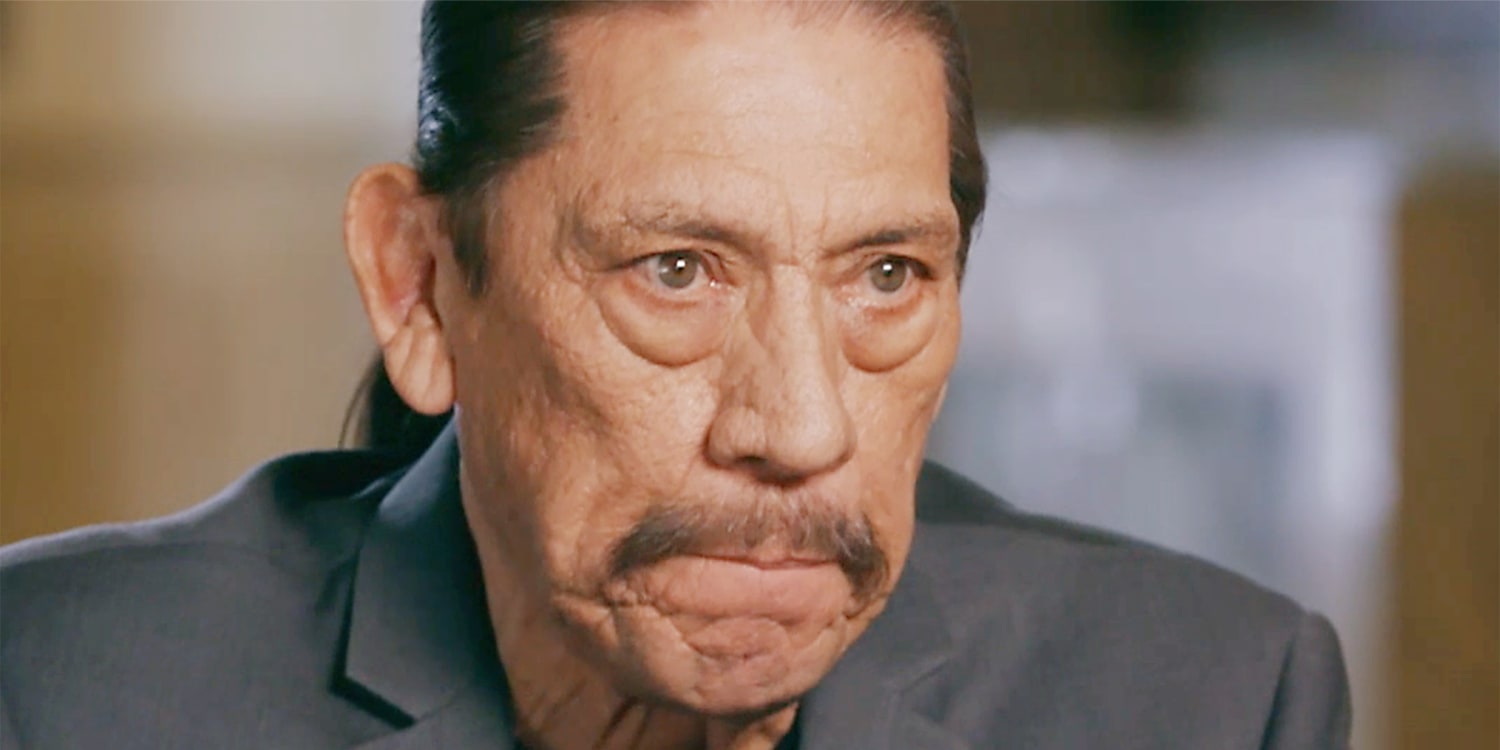
He was believable because he carried experiences no makeup artist could reproduce. Yet colleagues discovered that the man behind the threatening image was frequently warm, professional and funny.
That contrast eventually became one of his greatest strengths.
Rodriguez cast him as Isador “Machete” Cortez in the family adventure Spy Kids. The character was a tough but inventive uncle who created gadgets for young spies. Trejo’s presence, once used almost exclusively to signal danger, became part of a children’s franchise.
Machete later evolved into the hero of an adult action movie released in 2010. At an age when many performers are offered fewer leading roles, Trejo became the central figure in a feature built around his face, voice and screen mythology.
The former prisoner who had spent years playing disposable criminals was finally the star.
Refusing to Glorify the Life He Escaped
Trejo has often played villains, but he has said he wants criminal characters to face consequences.
That principle comes from his concern that young viewers might confuse cinematic toughness with real power. He knows that prisons and street violence are not glamorous. He lived through the fear, confinement and loss hidden behind the image.
He has repeatedly visited prisons, schools and recovery programs to speak about addiction and personal responsibility. His message is not that fame rescued him. By the time Hollywood discovered him, the most important rescue had already occurred.
Sobriety made the acting career possible—not the other way around.
Trejo later extended his name into businesses including Trejo’s Tacos and Trejo’s Coffee & Donuts. His restaurants also became another way to create jobs and participate in the Los Angeles communities that shaped him.
Even as his list of screen credits grew into the hundreds, he continued speaking openly about his past. He did not pretend that prison had made him noble or that every destructive decision belonged to someone else.
Redemption, in his telling, requires accountability.
The Meaning of an Accidental Career
It is tempting to describe Trejo’s journey as a lucky Hollywood discovery. Luck certainly played a role. Had the phone call come on another day, or had Bunker not recognized him, Runaway Train might have been nothing more than an unusual afternoon.
But the opportunity existed because Trejo had spent years becoming someone who answered when another person needed help.
His criminal past gave him the face Hollywood wanted. His recovery gave him the life required to use the opportunity.
The distinction matters.
Trejo did not walk out of prison and immediately become a movie star. He spent more than a decade sober, working, counseling and rebuilding trust before the camera found him. By then, he had already completed the hardest transformation of his life.
On screen, Danny Trejo became famous for playing men audiences were supposed to fear.
Away from it, his lasting story is about a man who survived the person he once was—and built a career by showing up to save someone else.