Sean Astin Grew Up Unsure Who His Father Was—Then He Became Cinema’s Most Loyal Hero
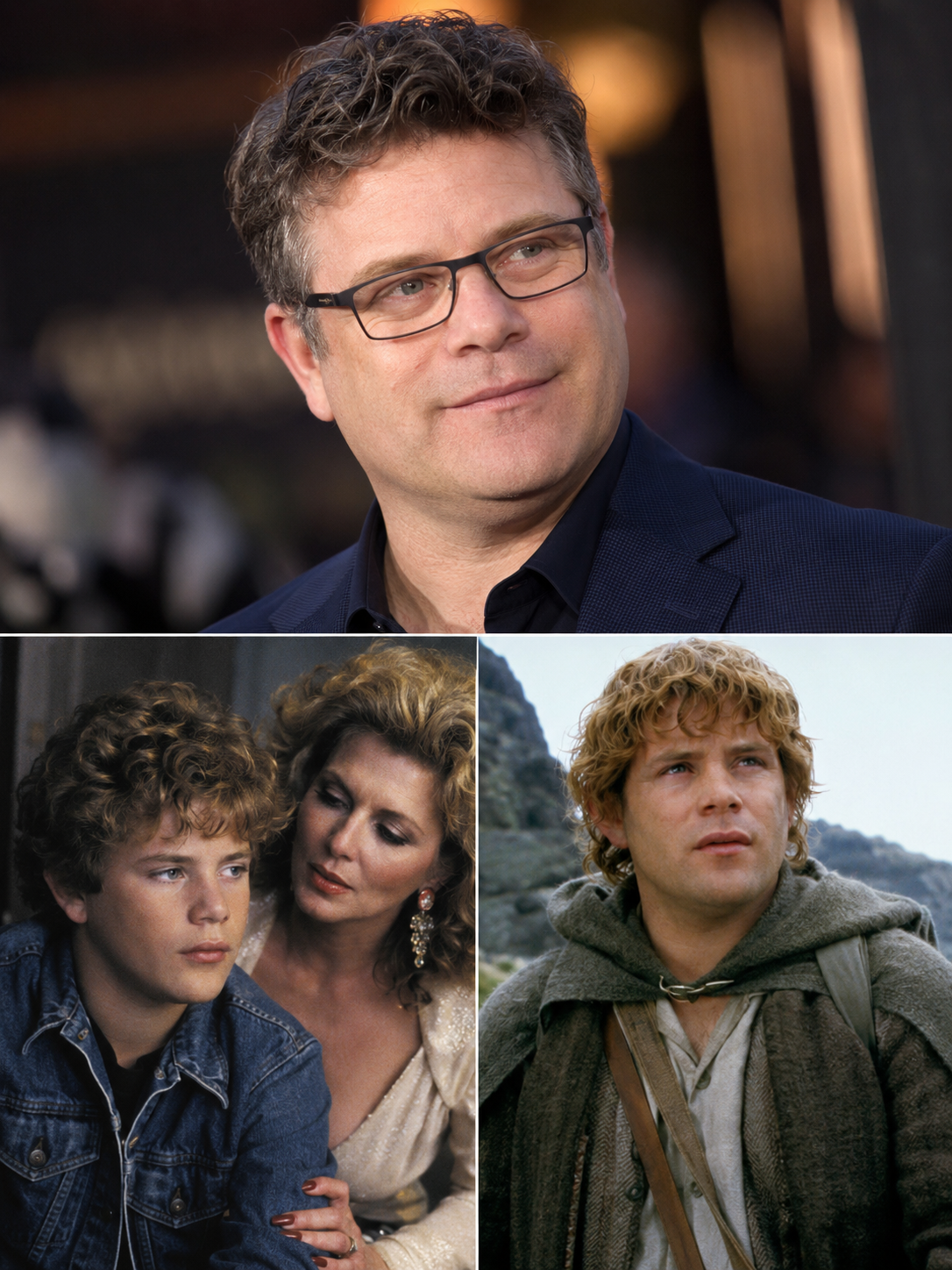
When Sean Astin carried Elijah Wood up the slopes of Mount Doom in The Lord of the Rings: The Return of the King, audiences saw the purest expression of loyalty in modern fantasy cinema.
Samwise Gamgee could not carry Frodo’s burden, but he could carry Frodo.
The moment turned Astin into the emotional heart of a worldwide phenomenon. Yet long before he played a hero defined by devotion, family and an unshakable sense of belonging, Astin had grown up surrounded by uncertainty.
His mother was Patty Duke, an Oscar-winning actress whose extraordinary talent existed alongside severe, initially undiagnosed bipolar disorder. The man who raised Astin was actor John Astin, but questions about his biological father followed him for years. Different explanations pointed toward three men before genetic testing provided an answer.
Astin’s childhood unfolded inside a famous Hollywood family, but fame could not protect it from mental illness, conflict or confusion.
Decades later, the role that defined his career would be a character who never stopped reminding others where home was.
The Child of a Celebrated but Troubled Star
Sean Patrick Duke was born in Santa Monica, California, on February 25, 1971.
His mother had already experienced an extraordinary and painful rise to fame. Patty Duke won an Academy Award at 16 for portraying Helen Keller in The Miracle Worker and later became a television star through The Patty Duke Show.
Behind those achievements was a history of exploitation, emotional distress and mental illness. Duke was eventually diagnosed with bipolar disorder in her 30s, after much of Astin’s childhood had already passed. She later became one of the first major celebrities to speak openly about the condition and advocate for people living with mental illness.
Astin has remembered his mother as loving, brilliant, intimidating and unpredictable. Her illness could affect the entire household, exposing him and his younger brother, Mackenzie, to emotional volatility that children were not equipped to understand.
In a 2004 interview, the brothers discussed witnessing frightening episodes connected to their mother’s illness, including suicide attempts. Astin later emphasized that diagnosis and treatment transformed Duke’s life and allowed the family to understand behavior that had once seemed inexplicable.
His memories of her are not defined only by pain. Astin has repeatedly described Duke as fiercely protective, politically engaged and determined that her sons would not be consumed by the darker side of child stardom.
That protection helped him survive an industry that had harmed her.
The Question No Child Could Easily Answer
Astin’s uncertainty about his father began before he was born.
Duke had relationships with several men around the time she became pregnant. For years, entertainer Desi Arnaz Jr. was publicly identified as a possible father. Duke was also briefly married to writer and music promoter Michael Tell, though the marriage lasted only days.
In 1972, Duke married actor John Astin, already famous as Gomez Addams from The Addams Family. He adopted Sean and raised him as his son.
To Astin, John was his father in every practical and emotional sense.
But the biological question remained.
Duke later told Sean that Arnaz was his biological father. Astin developed a relationship with him, only for the story to change again when another relative suggested Tell might be the father.
Around the beginning of the 2000s, genetic testing identified Michael Tell as Astin’s biological father. Despite the result, Astin continued to regard John Astin as his father and maintained relationships with the other men connected to the complicated history.
Rather than forcing his life into one simple definition of fatherhood, Astin accepted that several men had played different roles in it.
The experience shaped his understanding of family as something deeper than biology alone.
Becoming a Child Star Without Losing Himself
Astin began acting while still a child, appearing opposite his mother in the 1981 television movie Please Don’t Hit Me, Mom.
His major breakthrough came in 1985 with The Goonies.
As Mikey Walsh, Astin played the hopeful leader of a group of children searching for pirate treasure while trying to save their neighborhood. The character’s optimism, sincerity and refusal to abandon his friends anticipated many of the qualities audiences would later love in Samwise Gamgee.
The Goonies became a defining adventure film for a generation. Astin was suddenly a recognizable child star, but he largely avoided the addiction and public collapse experienced by some young performers of the era.
In a 2026 interview reflecting on 45 years in entertainment, Astin credited much of that survival to his mother’s fierce awareness of how dangerous the industry could be. Duke’s own childhood had been controlled and exploited by adults, and she understood the risks surrounding her son.
Astin continued working through adolescence in films including White Water Summer, Memphis Belle and Toy Soldiers. Unlike many child actors, he managed to move into adult roles without disappearing completely.
His most important pre-Lord of the Rings performance came in Rudy.
Released in 1993, the film told the story of Daniel “Rudy” Ruettiger, an undersized young man determined to play football for Notre Dame. Astin gave the character vulnerability without making his ambition seem foolish.
The role established him as a natural screen underdog—an ordinary person whose persistence became heroic.
The Role That Seemed Written for Him
Peter Jackson’s adaptation of J.R.R. Tolkien’s The Lord of the Rings required an actor who could make Samwise Gamgee more than a loyal sidekick.
Sam needed humor, courage and humility. He also needed to represent home itself: gardens, food, friendship and the ordinary life Frodo was in danger of losing.
Astin understood the assignment.
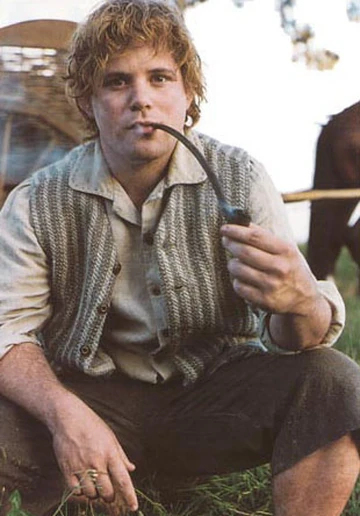
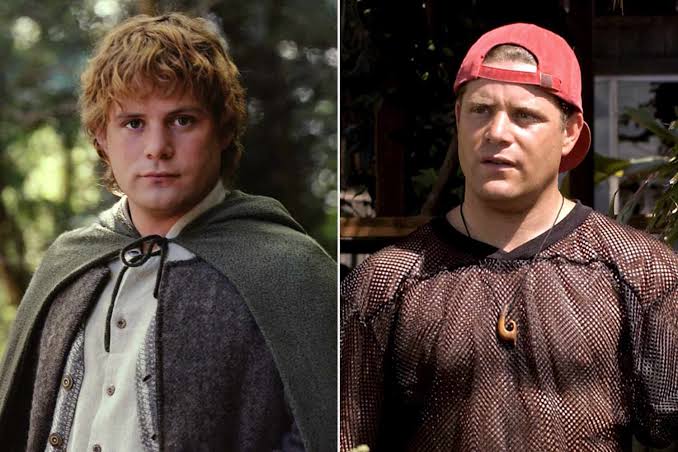
Across The Fellowship of the Ring, The Two Towers and The Return of the King, released from 2001 to 2003, Sam evolves from an anxious gardener into the person most responsible for helping Frodo complete his journey.
He fights enemies, resists the Ring and refuses to abandon his friend, even when Frodo turns against him.
Astin’s performance never treats loyalty as weakness. Sam is frightened because he understands the danger, and brave because he continues anyway.
The final film won 11 Academy Awards, including Best Picture. The cast received major ensemble honors, while Astin earned widespread praise and several supporting-actor awards for his performance.
Yet the trilogy’s enormous success did not immediately make him wealthy.
Astin revealed in 2026 that he earned relatively little for filming the three movies together and eventually had to sell his house. The films gave him extraordinary visibility, but the financial reality was far less glamorous than audiences might assume.
It was another reminder that even participation in cinematic history does not guarantee security.
More Than Samwise Gamgee
Astin continued working steadily after Middle-earth.
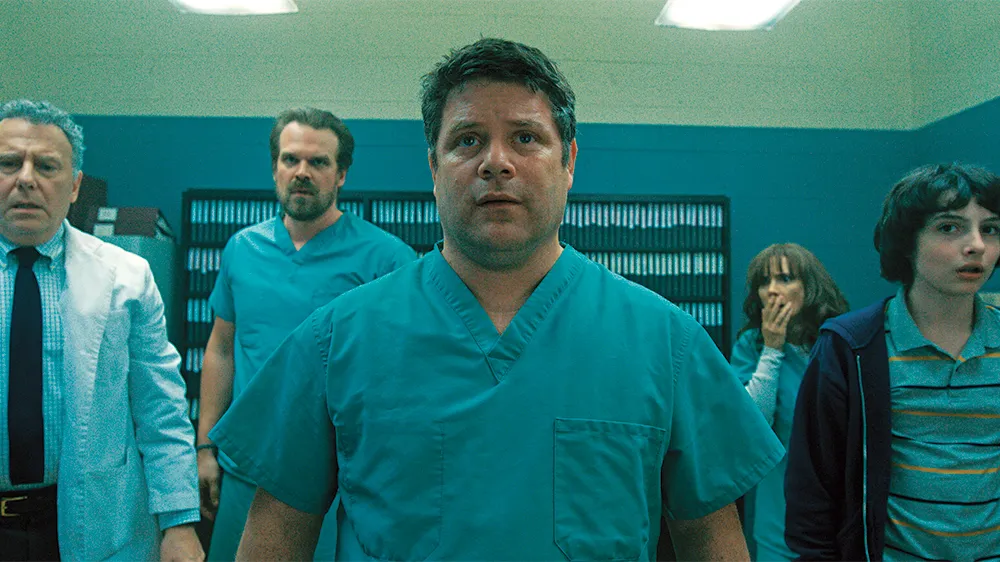
His later roles included Lynn McGill on 24, the voice of Raphael in Teenage Mutant Ninja Turtles and Bob Newby in Stranger Things. Bob, like Sam, was an apparently ordinary man whose loyalty and courage became extraordinary when others needed him.
Astin also continued the mental-health advocacy associated with his mother. He has spoken publicly about the effect of bipolar disorder on families while emphasizing empathy rather than judgment.
After Duke’s death in 2016, he helped preserve her legacy not only as an actress but as a woman who used her diagnosis to challenge stigma.
His connection to her public service eventually took another form.
In September 2025, Astin was elected national president of SAG-AFTRA, the actors’ union his mother had also once led. At the 2026 Actor Awards, he honored Duke, John Astin and the rest of his family while speaking about dignity and fairness for working performers.
The child raised inside Hollywood had become responsible for helping protect the people who work within it.
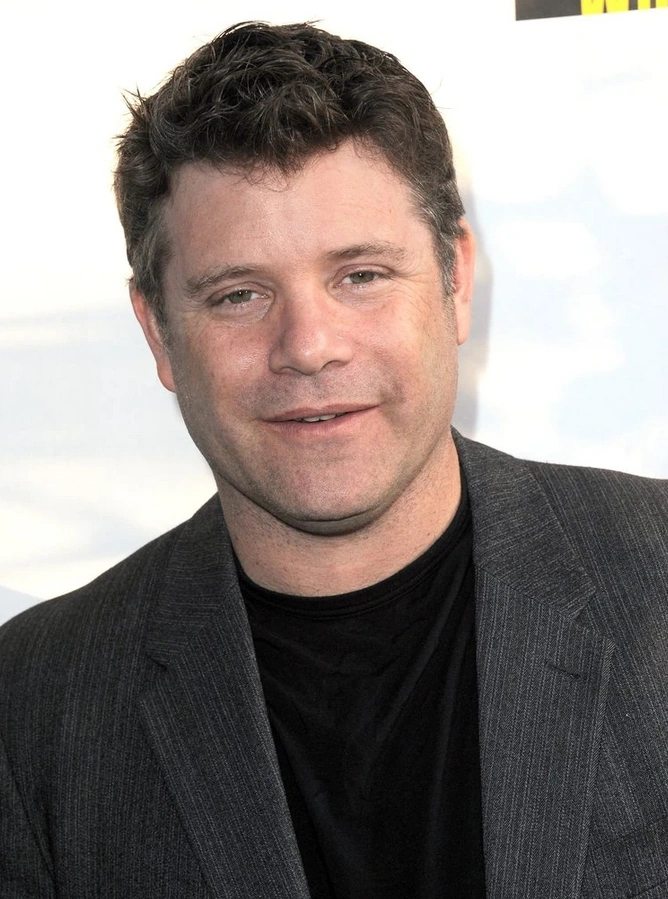
Finding Home in the Family He Built
Astin married Christine Harrell in 1992, and they raised three daughters. Their long marriage offered a form of stability very different from the uncertainty of his early family life.
Looking back in 2026, he described a career that had lasted approximately 45 years—from child acting through blockbuster fame, character roles and union leadership. He remained grateful for Samwise while acknowledging that the role did not solve every professional or financial problem.
Astin’s life cannot be reduced to a clean parallel with the character who made him famous. Samwise had a simple understanding of home. Astin had to construct his own from complicated pieces.
He grew up with a mother whose illness could make love feel unpredictable. He spent years hearing different answers about his biological father. He entered show business young and learned that fame was neither the same as safety nor a guarantee of financial security.
But he also learned that family could be chosen, extended and understood in more than one way.
John Astin was the father who raised him. Michael Tell was the biological answer revealed later. Patty Duke was both a source of childhood turmoil and the woman whose courage taught him to speak openly about mental illness.
Sean Astin became beloved for playing a hero who stayed when leaving would have been easier.
Perhaps that is why Samwise felt so truthful in his hands.
Astin understood that loyalty does not require a perfect family or an uncomplicated past. Sometimes it means carrying what cannot be changed, protecting the people beside you and continuing toward home—even when home is something you must build for yourself.