The Silent Legacy: How Three Tiny Newborns Unlocked a Lost Father’s Past
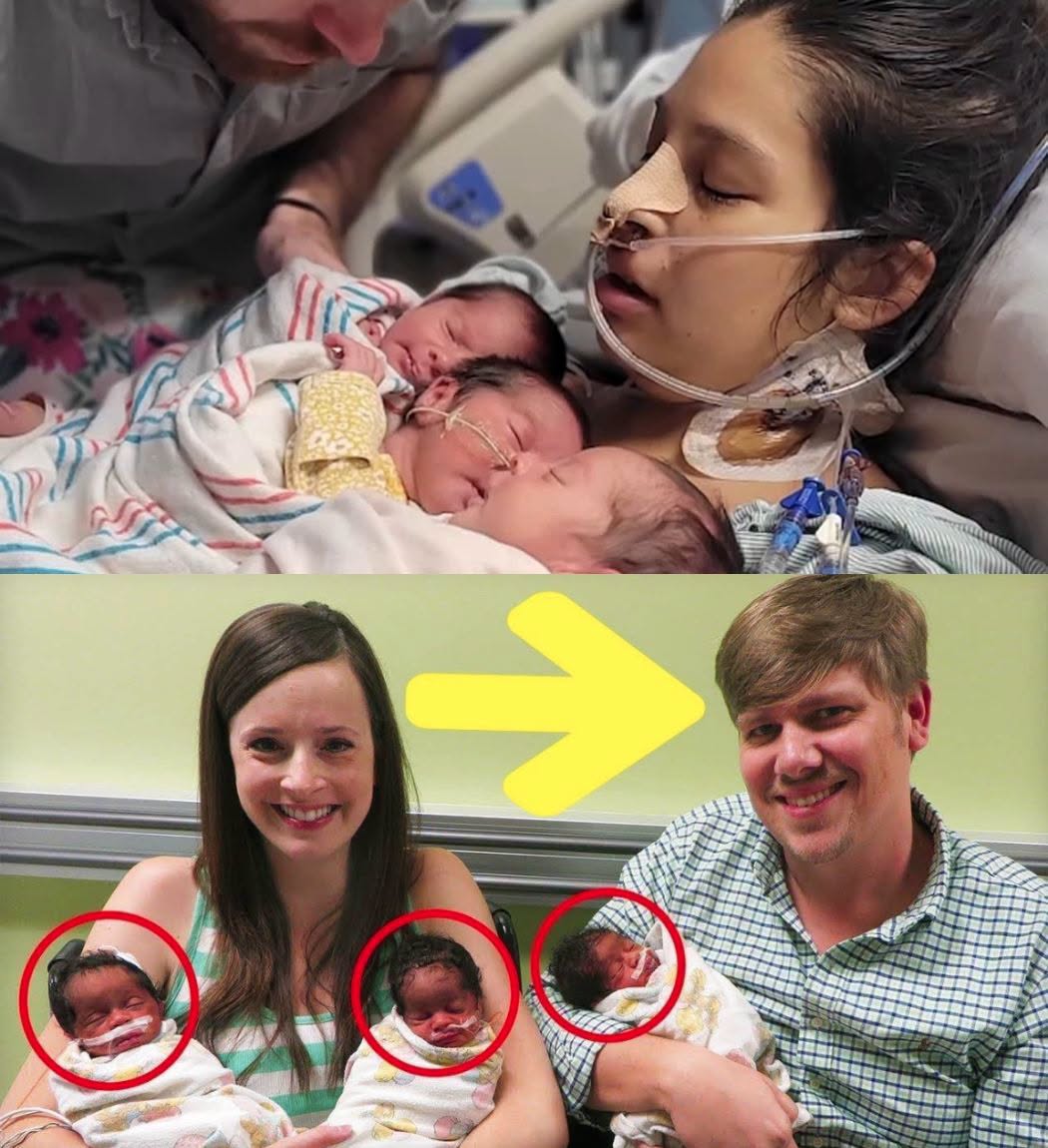
The Silent Legacy: How Three Tiny Newborns Unlocked a Lost Father’s Past
The waiting room of Madison Memorial Hospital was thick with the sterile scent of linoleum and the nervous energy of an expectant father. Mark had spent nine months preparing for a whirlwind. When he and his wife Sarah discovered they were expecting triplets, the news hit them like a freight train. They poured thousands of dollars into a three-crib nursery, a heavy-duty stroller, and endless supplies. Mark was a man of logic and lists, but no amount of planning could have prepared him for the moment he was invited into the delivery room.
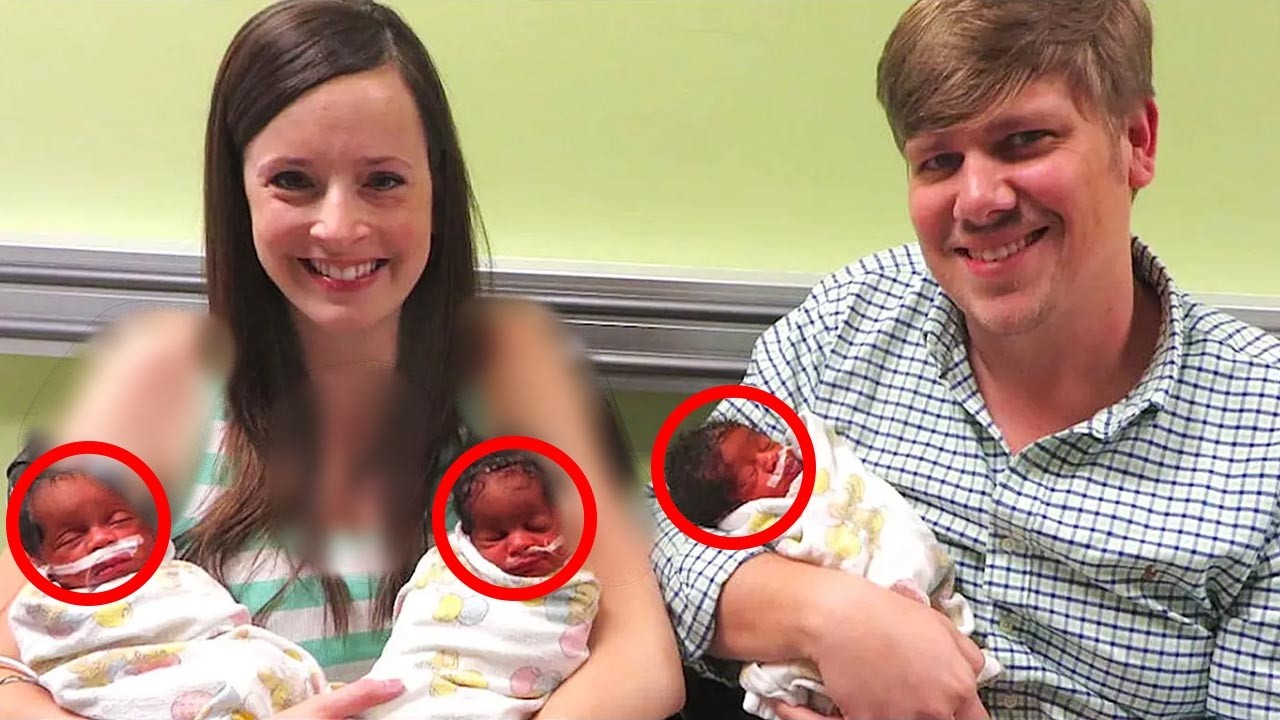
When the three infants were placed in their heated bassinets, the doctor urged Mark to take a closer look. He leaned in, his heart thumping violently against his ribs. As he focused on the delicate faces of his new children, he did not just smile. He burst into uncontrollable tears that brought the entire medical team to a sudden standstill.
Mark’s reaction went far beyond the typical emotion of a new father. Raised in foster care after losing his parents at age four, Mark grew up without a single photograph or mirror to show whose traits he had inherited. For forty years, he felt like a man without a reflection. Sarah was his anchor, but these children were meant to be the start of his own legacy.
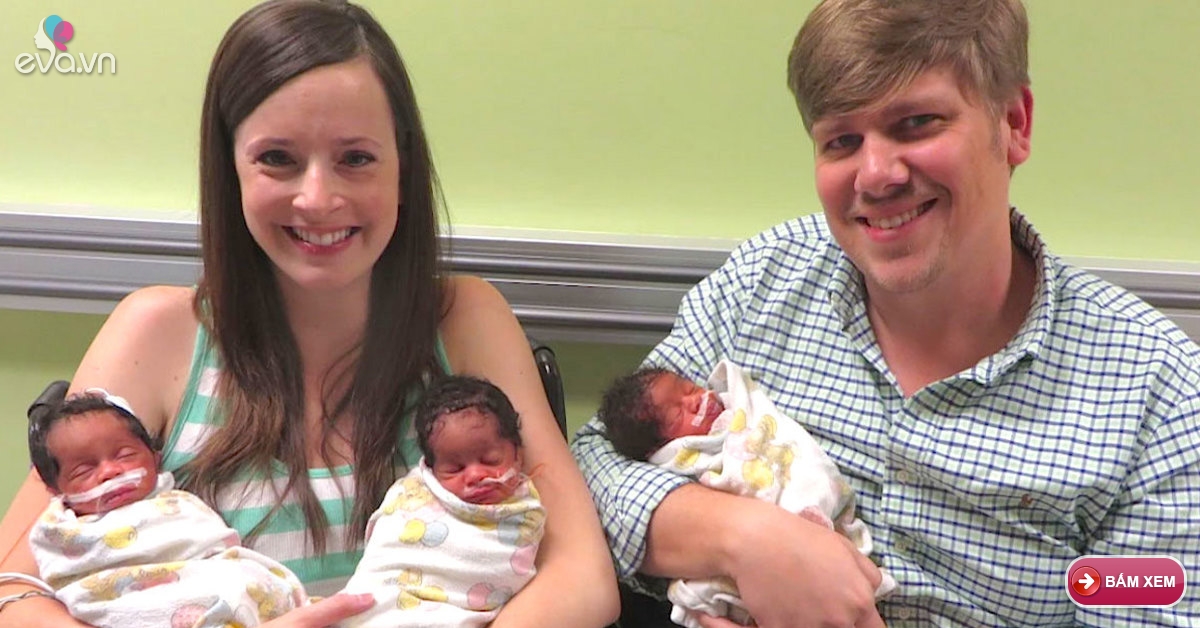
As Mark leaned over the bassinets, he noticed a strawberry-colored mark on the firstborn boy’s shoulder—identical to his own. The second baby, a girl, carried a unique golden fleck in her left eye, matching a tattered childhood drawing saved by a social worker decades ago. When he looked at the third baby, his knees finally gave out.
The head neonatologist pulled Mark aside, his voice hushed with awe. “Mark, these aren’t just ordinary triplets,” he explained, revealing a rare genetic anomaly that proved these babies were a living bridge to a family history Mark thought was lost forever.