The Locked Wing That Destroyed a Virginia Gentleman’s Perfect Reputation
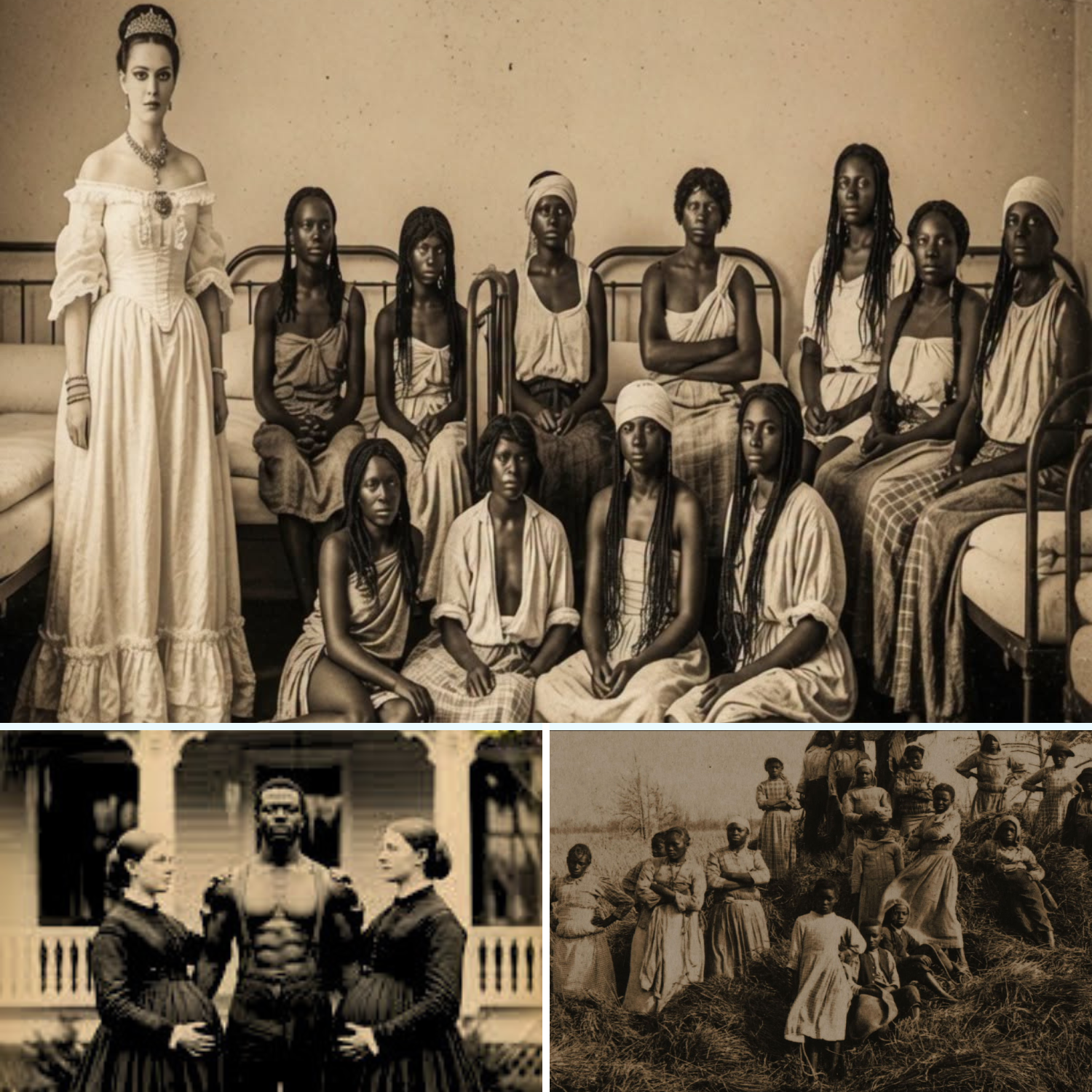
The seventh key finally turned.
Standing alone in a forbidden hallway at Blackwood Manor, 19-year-old Eleanor Whitmore pushed open a door her husband had ordered her never to approach. Beyond it was not the damaged floor or unfinished construction Henry Blackwood had described.
It was a windowless corridor lined with 11 locked rooms.
Inside those rooms were women who had been cut off from the outside world, some for years. Several held babies. At least one child could be heard coughing in the darkness.
In that moment, Eleanor understood that the mansion she had entered as a hopeful bride was not simply a home filled with secrets. Part of it had been turned into a prison.
Only months earlier, Henry Blackwood had appeared to be one of Virginia’s most admirable men.
He owned a prosperous tobacco estate surrounded by hundreds of acres of farmland. His enormous white mansion stood on a hill, approached by a tree-lined road and surrounded by fountains, roses and carefully arranged gardens.
Henry attended church, contributed to charities and moved comfortably among politicians, judges and wealthy businessmen. He spoke publicly about honor, morality and the importance of family.
To Eleanor’s parents, he represented everything a suitable husband should be.
Eleanor was the daughter of a wealthy Boston merchant. She had grown up with books, music and strict expectations about how a respectable young woman should behave. She was taught to support her husband, protect his reputation and avoid interfering in matters considered beyond a wife’s proper role.
Henry was nearly 20 years older than she was, but his age caused little concern within her family. He possessed money, land, influence and a respected name. He had also been widowed, allowing the marriage to be presented as a hopeful new beginning for both of them.
Their wedding in Richmond during the summer of 1856 attracted more than 200 guests.
Eleanor wore ivory silk decorated with European lace. Henry stood beside her in a tailored black coat, presenting the same calm and controlled image that had earned him the trust of the community.
Guests believed they were witnessing a fortunate union between a young woman entering a life of privilege and a powerful man rebuilding his household.
Nothing about the celebration revealed what was waiting inside Blackwood Manor.
A House That Never Felt Like Home
At first, Eleanor was overwhelmed by the scale of her new surroundings.
The mansion contained more than 30 rooms, including formal dining spaces, guest chambers, a ballroom and a grand library. Portraits of Henry’s ancestors covered the walls, reinforcing the impression that the Blackwood name had been respected for generations.
Yet the elegance could not hide the emotional emptiness of Eleanor’s marriage.
Henry was not openly violent toward her. Instead, he remained cold and distant. He provided clothing, servants and every material comfort she could reasonably request, but showed almost no interest in her thoughts or feelings.
Their dinner conversations centered on tobacco prices, property, politics and the harvest. He rarely asked about Eleanor’s interests. Even his nighttime visits were brief, leaving her alone in a house that seemed colder after he departed.
She initially tried to excuse his behavior. Perhaps influential men were naturally reserved. Perhaps affection would develop as they grew accustomed to married life.
Then she began hearing footsteps.
One rainy night, Eleanor woke to the sound of someone moving carefully through the eastern hallway. The footsteps stopped near a section of the house she had never entered.
When she questioned Henry the following morning, he told her the east wing was undergoing repairs. He claimed the floors were unsafe and warned her never to go there.
The entrance was secured with a heavy lock.
Eleanor accepted the explanation—until other sounds began reaching her room.
She heard a woman whispering. On another occasion, she thought she heard crying. Then came the unmistakable cough of a child.
Whenever Eleanor questioned the servants, their expressions changed. They lowered their voices, looked away and behaved as though merely discussing the east wing might place them in danger.
The first person to break that silence was Margaret, the estate’s elderly cook.
Eleanor found her crying in the kitchen one morning. Margaret initially insisted nothing was wrong, but her fear was impossible to conceal. After repeatedly warning Eleanor to stop asking questions, she finally revealed what the locked corridor contained.
Eleven women.
Margaret explained that Henry had brought women to the mansion and confined them in the east wing. Some had been taken from other estates. Others had disappeared from nearby communities. A number had been held there for years.
The servants and workers knew, but Henry’s wealth and power had kept them silent.
Then Margaret disclosed the detail that made the secret even more horrifying: children were being held there as well, and they were Henry’s.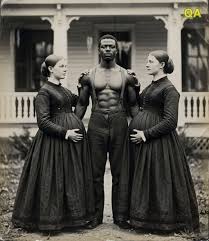
Twelve Keys and Eleven Doors
Eleanor had little time to decide what to do.
On October 12, Henry announced that he was leaving for Baltimore on business and would be gone for five days. Eleanor calmly watched his carriage disappear down the road before entering his private office.
She searched his desk, cabinets and personal belongings for hours. Behind an old ledger, she found a ring holding 12 keys.
That night, Eleanor carried candles into the east wing.
She tested the keys one by one. The seventh unlocked the main door.
The corridor beyond it was narrow and bare. Unlike the public rooms of the mansion, it contained no paintings, decoration or windows. Eleven locked doors stood along its walls.
Eleanor opened the first.
Inside the small room were a bed, a bucket, a candle and a woman sitting on the floor. The prisoner stared at Eleanor with fear and did not immediately respond when the young bride said she wanted to help.
Eleanor continued opening doors.
Each revealed another woman whose life had been hidden. Some appeared exhausted and emotionally shattered. Some held infants. Their isolation had lasted so long that Eleanor’s offer of assistance seemed almost impossible for them to believe.
An older woman eventually introduced herself as Grace.
When Eleanor asked how long she had been confined, Grace answered that she had been there for eight years.
For nearly a decade, she had remained locked away while music, laughter and conversation filled the mansion’s public rooms. Guests had attended dinners and celebrations only a short distance from people they never knew existed.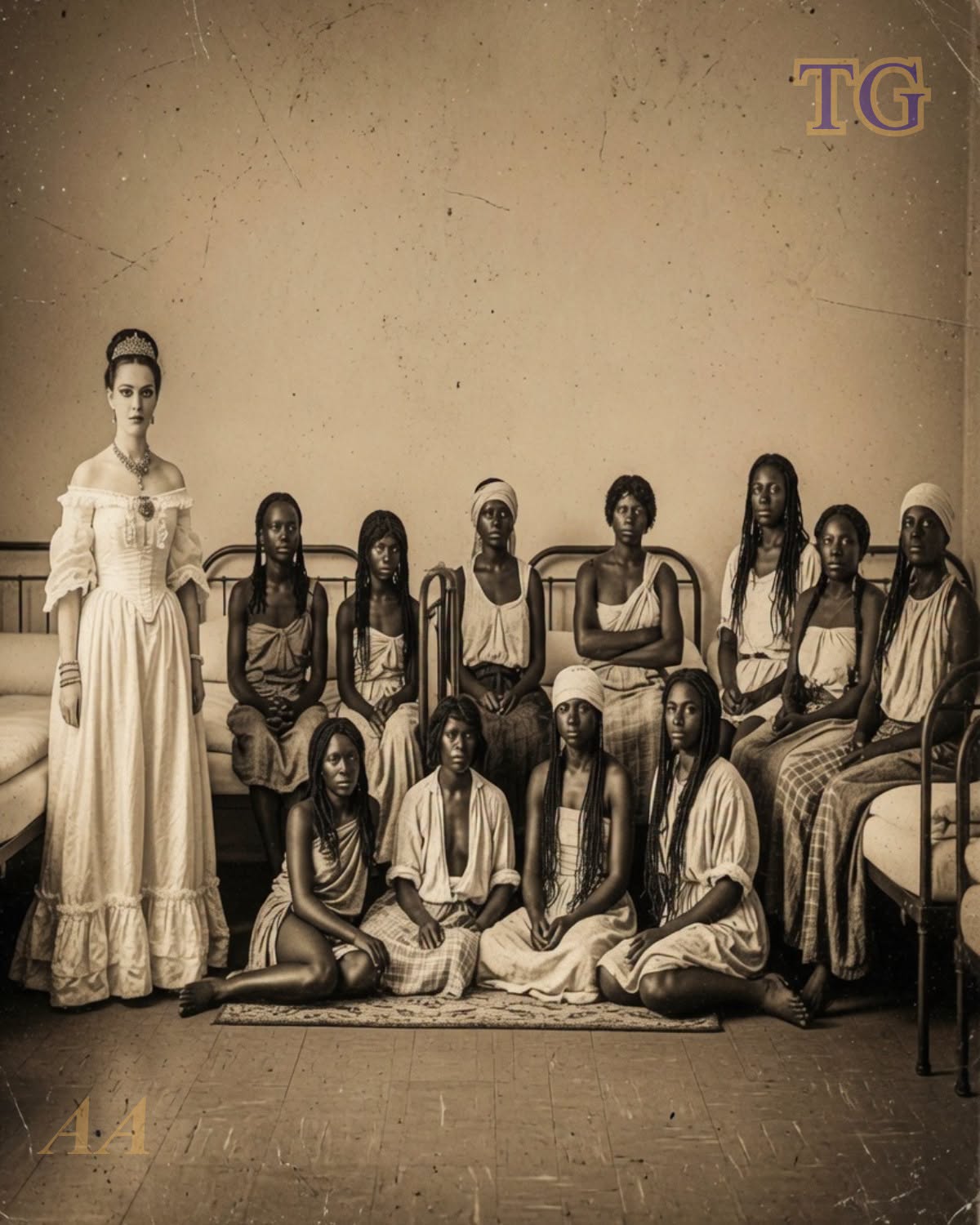
The Letters Henry Could Not Stop
After discovering the women, Eleanor began gathering evidence.
She copied names from Henry’s private records, documented the women’s accounts and collected papers showing that their confinement had been deliberate.
She then prepared four letters.
One went to her father. Another was sent to the county prosecutor. A third was addressed to a newspaper in Washington. The final letter went to a senator who had attended her wedding.
Eleanor understood the risk. Henry’s status had protected him for years, and she had been raised to preserve her husband’s name rather than destroy it.
But remaining silent would mean abandoning the women to the locked rooms.
When Henry returned from Baltimore, Eleanor greeted him normally. She smiled, asked about his journey and behaved like the obedient wife he expected.
That evening, however, she told him directly that she knew about the women in the east wing.
His controlled expression vanished.
Henry demanded to know whether she had entered the corridor and opened the doors. Eleanor answered yes to both questions. She then told him the letters had already been delivered.
Henry accused her of ruining everything.
Eleanor rejected the charge. The destruction, she made clear, belonged to him.
Within days, officials arrived at Blackwood Manor. The east wing was opened, and the 11 women were finally brought into public view. Their accounts exposed the man whose carefully maintained reputation had discouraged others from questioning him.
The community that had once praised Henry withdrew from him. His mansion, previously regarded as a symbol of prosperity and refinement, became associated with the suffering concealed inside it.
Eleanor lost the secure marriage and privileged future her family had imagined for her. Yet by refusing to protect that life at the expense of others, she restored voices to women whom Henry had tried to erase.
She had entered Blackwood Manor as a bride trained not to question her husband.
She emerged as the person willing to open the door everyone else feared—and bring down the powerful man behind it.