A Remarkable Beginning: Medical Team Monitors Newborn Arriving With Exceedingly Rare Single-Limb Condition
A Remarkable Beginning: Medical Team Monitors Newborn Arriving With Exceedingly Rare Single-Limb Condition
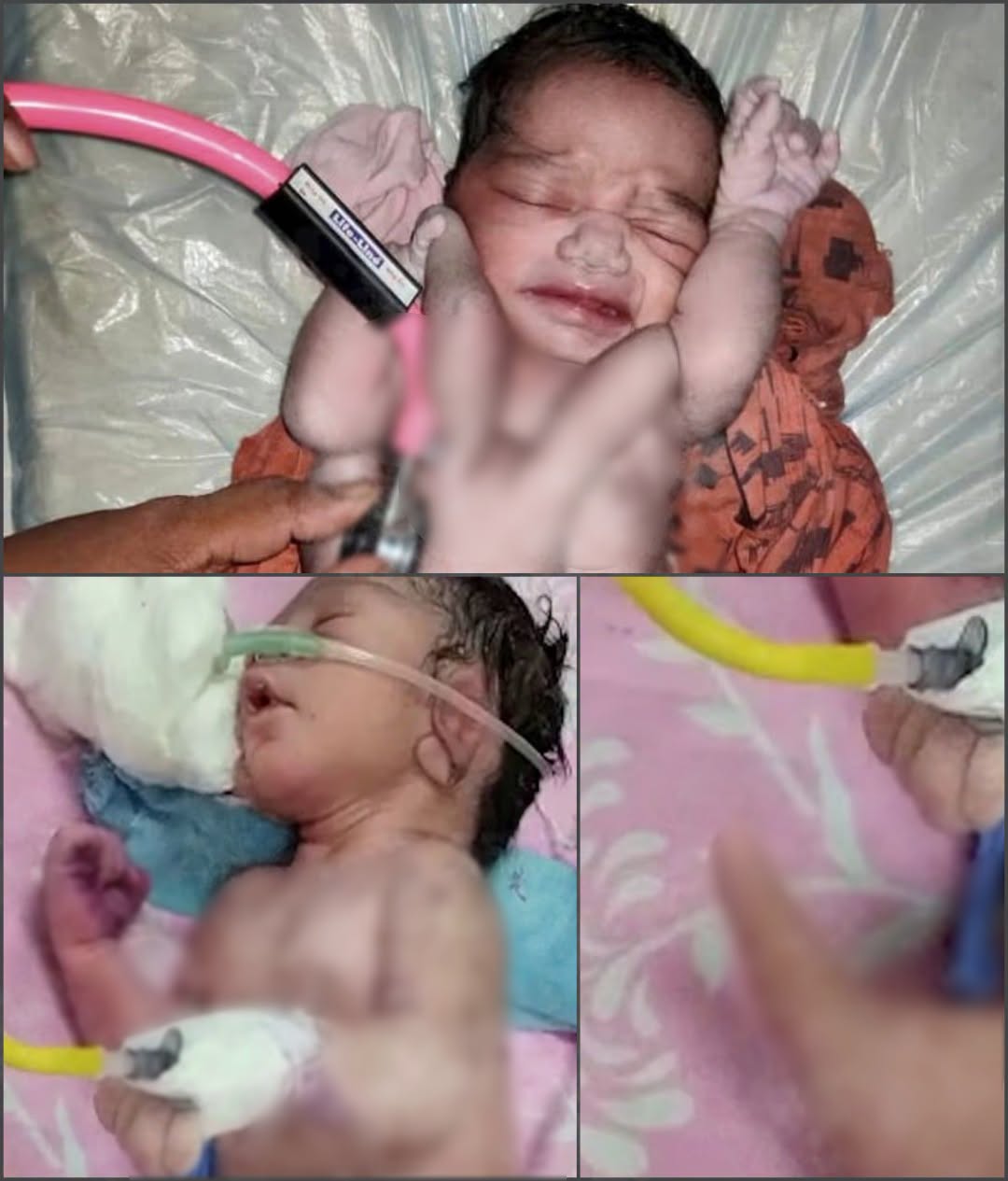
In India’s Shivpuri district, a rare medical event has captured international attention as a newborn arrived with a condition so uncommon that many seasoned physicians never witness a single case throughout their entire professional careers. The infant was born with Sirenomelia, a profound congenital deformity widely referred to in medical literature as Mermaid Syndrome, characterized by the partial or complete fusion of the lower limbs into a single structure.
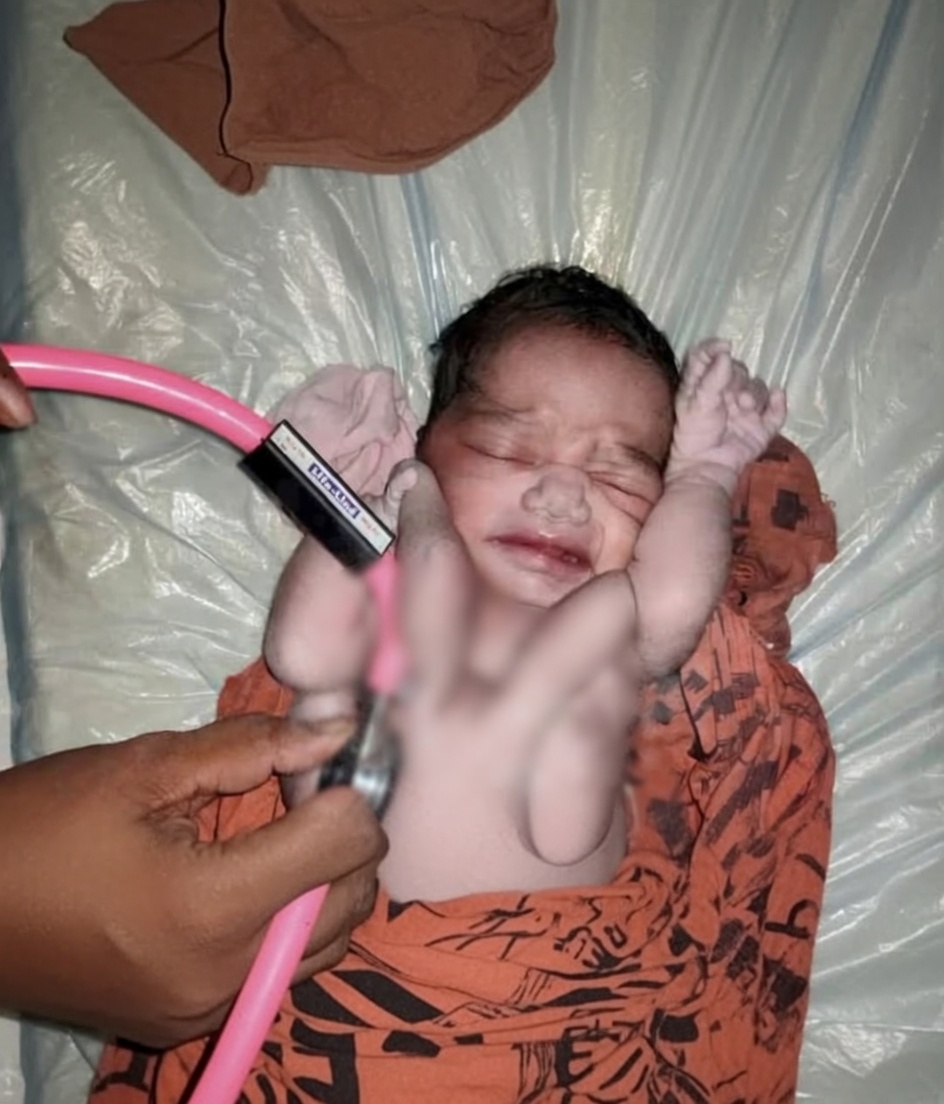
Following delivery, immediate specialized intervention was required due to the complex nature of the condition, which frequently affects internal organ development alongside musculoskeletal formation. Weighing just over two pounds at birth, the newborn was promptly transferred to a specialized neonatal care unit, where a multidisciplinary medical team continues to provide dedicated care, intensive monitoring, and diagnostic assessments to understand the full scope of the infant’s health status.
According to attending medical specialists, Sirenomelia is an exceptionally rare developmental anomaly, with statistical estimates indicating it occurs in approximately one out of every 100,000 live births. The precise etiology remains a subject of ongoing clinical study, though it is primarily linked to severe vascular disruptions during early embryonic development. Because the condition often impacts renal, gastrointestinal, and circulatory systems, early multi-system evaluation is critical.
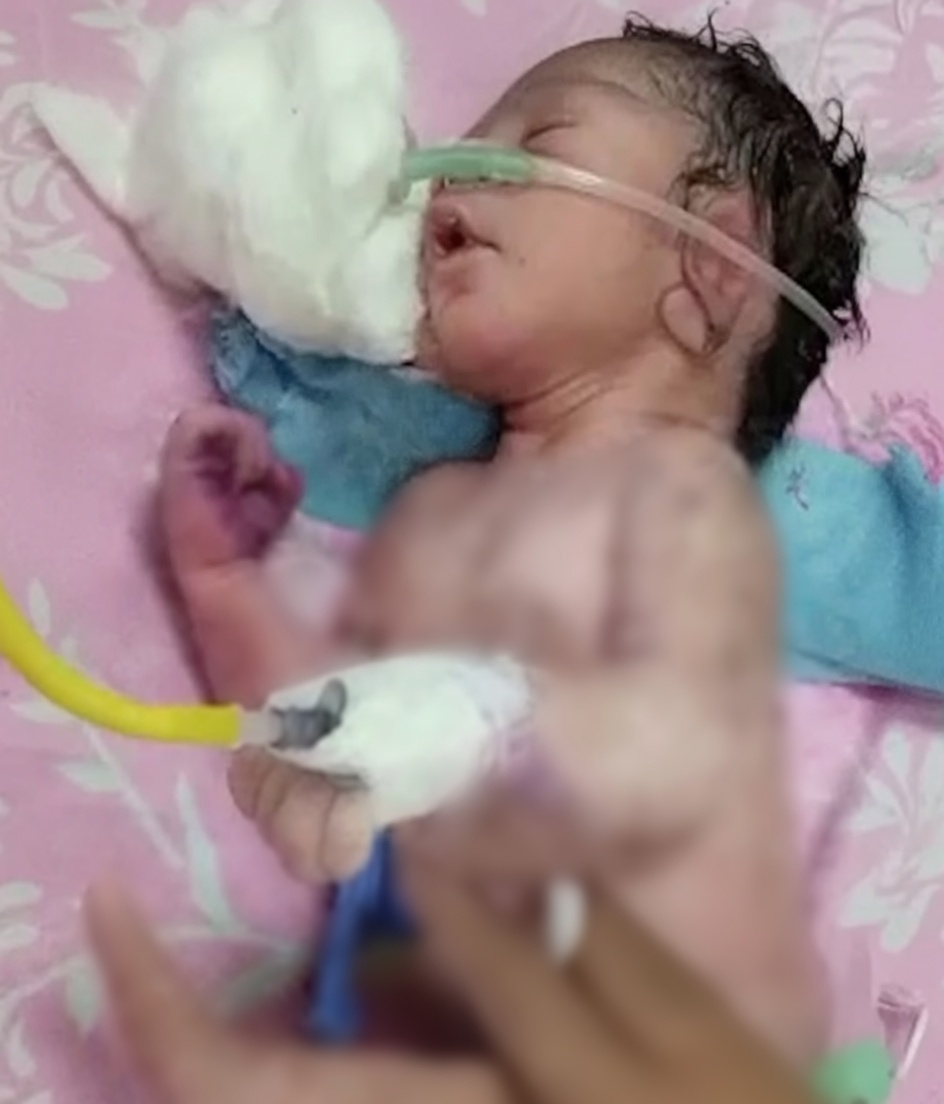
Cases like this highlight the vast complexities of human biology and the vital importance of specialized pediatric care in managing high-risk medical arrivals. As the care team in Shivpuri continues its close observation, the broader medical community remains attentive to the management of this extraordinarily rare case.