Bianca Censori Breaks Her Silence on Kanye West, Control and the Art of Being Watched
By the summer of 2026, the familiar spectacle had returned.
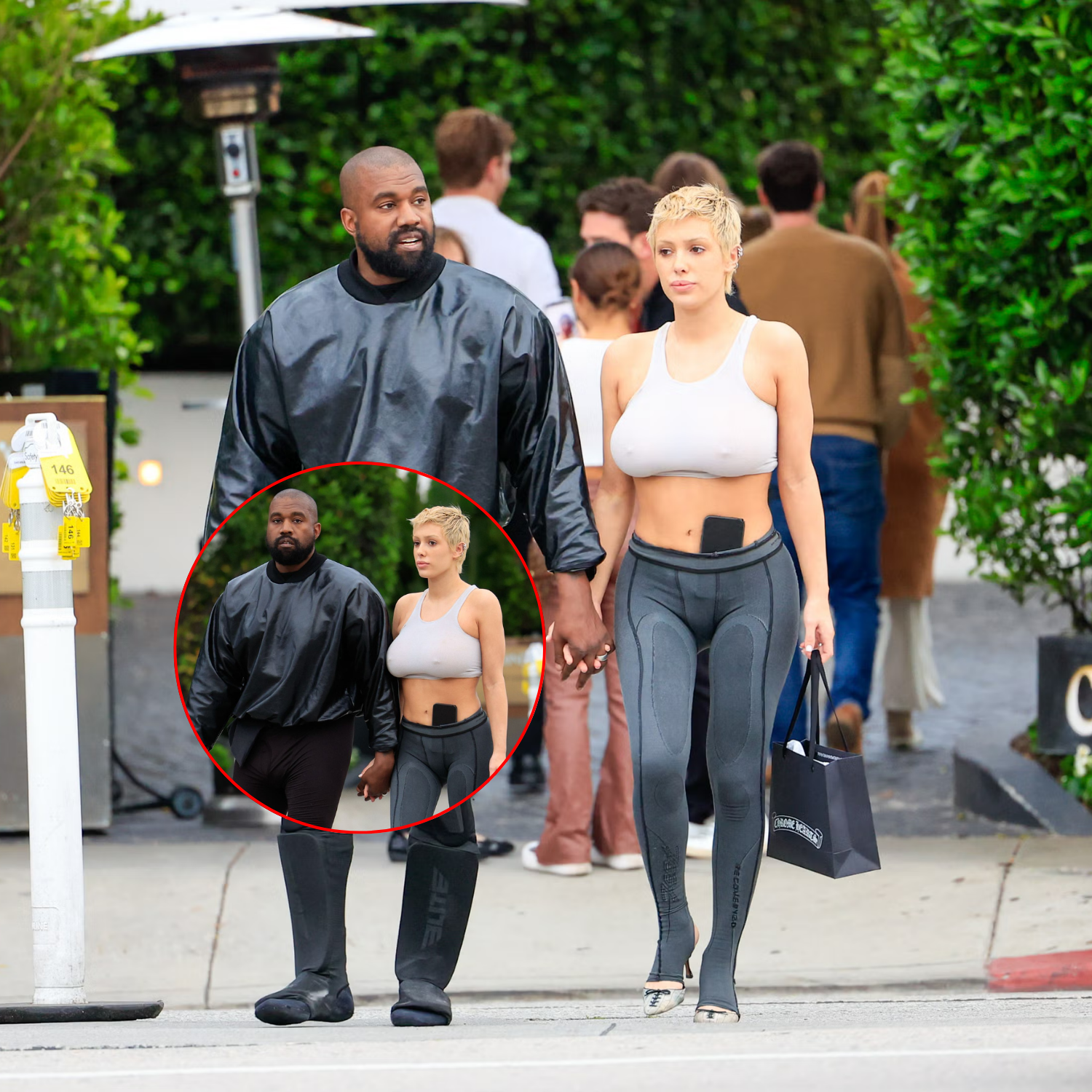
Bianca Censori walked into an Ibiza nightclub wearing a flesh-toned, nearly transparent bodysuit and towering black boots. Kanye West, the musician who legally changed his name to Ye, remained close by in his customary dark clothing. Days later, new images showed the married couple kissing and posing intimately together—another public declaration that, despite years of breakup reports and controversy, they remained united.
Yet something important had changed.
For most of her relationship with Ye, Censori had been one of the world’s most photographed but least-heard celebrity figures. Her body became a global conversation. Her husband’s behavior became a recurring crisis. Strangers debated whether she was an empowered artist, a willing collaborator, a marketing instrument or a woman being controlled.
In February 2026, Censori finally answered in her own words.
The Australian designer insisted that the revealing outfits were not forced upon her. She described them as part of an artistic project developed with her husband—but ultimately chosen by her.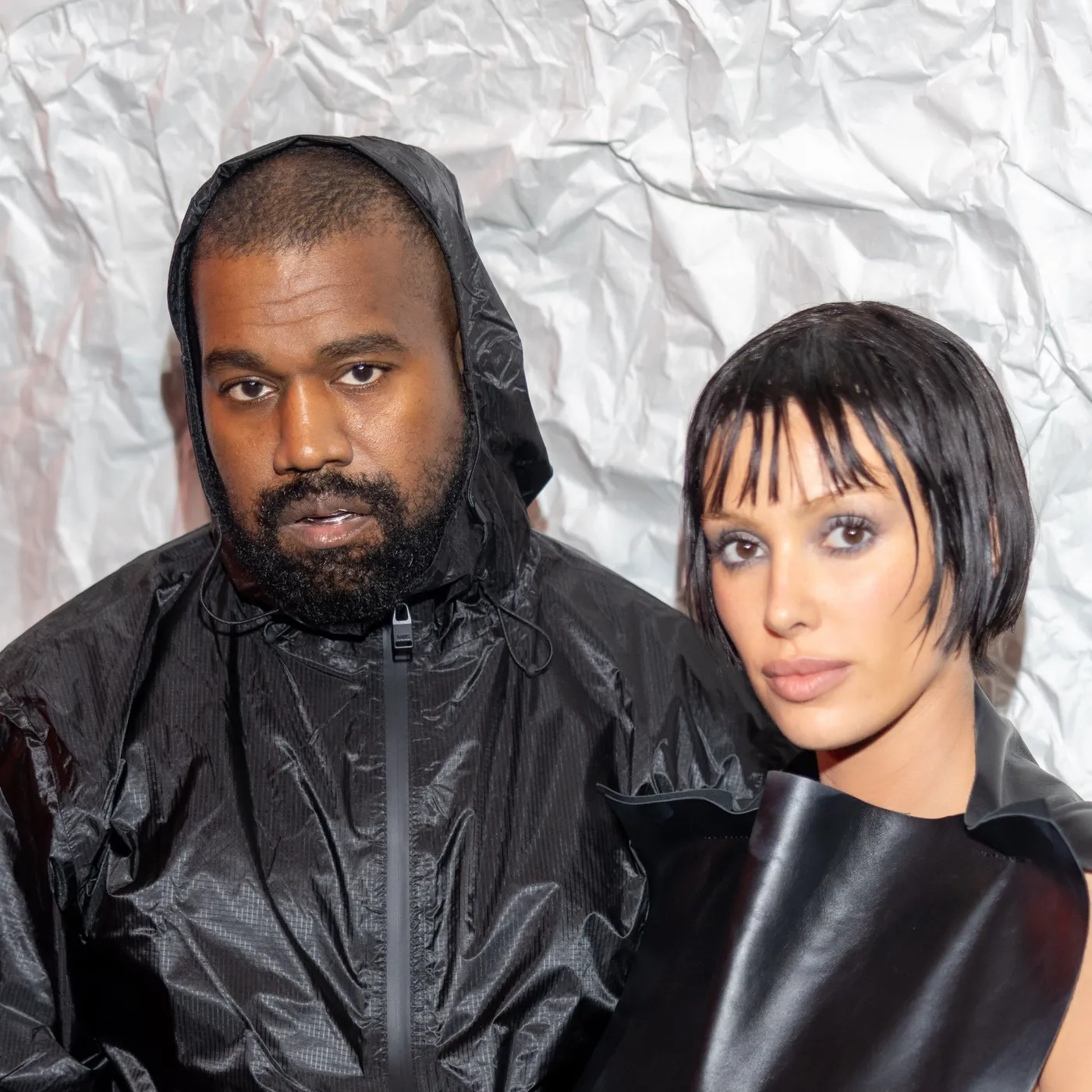
“I wouldn’t be doing something I didn’t want to do,” she told *Vanity Fair*.
Censori’s path into Ye’s world began through design rather than romance. Raised in Melbourne, she studied architecture at the University of Melbourne, earning bachelor’s and master’s degrees. While finishing her graduate work in 2020, she was contacted by Yeezy after Ye reportedly noticed a digital mask she had posted online. She later moved to Los Angeles to lead architectural work for the company.
The pair married under a confidential California marriage license in December 2022. Their relationship became public in early 2023, only months after Ye’s divorce from Kim Kardashian was finalized.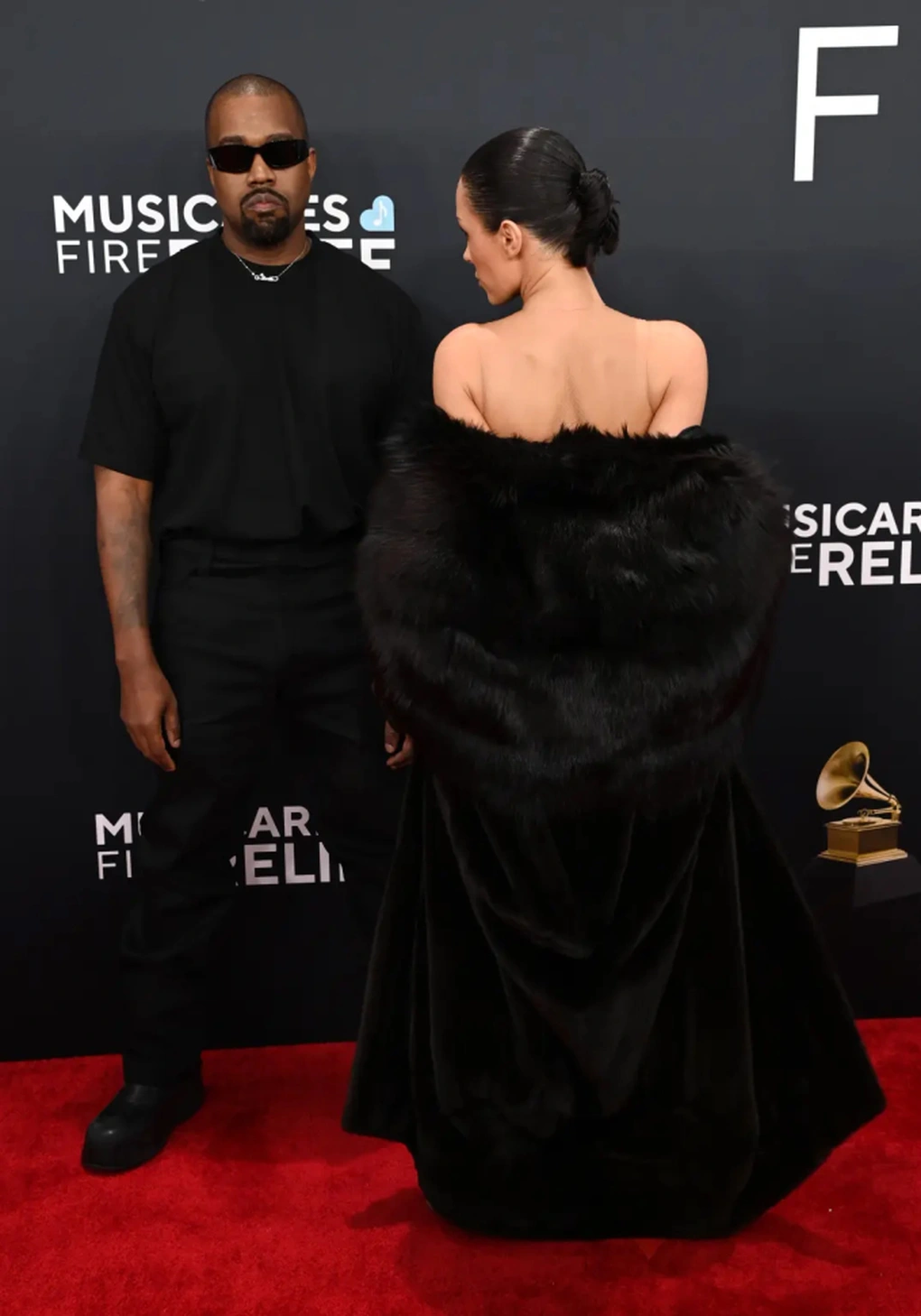
Almost immediately, their appearances began functioning like carefully constructed images.
Censori wore bodysuits made from tights, transparent raincoats, sculptural coverings and pieces that appeared to erase the boundary between clothing and nudity. Ye generally stood beside her fully covered, often in black from head to toe.
The contrast was impossible to ignore. It was also commercially powerful. Each outing generated photographs, arguments and headlines without either person needing to explain what the image meant.
The culmination came at the Grammy Awards in Los Angeles on February 2, 2025.
Censori arrived wrapped in a dark fur coat. Standing beside Ye on the red carpet, she turned toward the cameras and let the coat fall, revealing an extremely sheer minidress made from illusion netting. The couple left after completing the red-carpet appearance; reports that they had been forcibly removed were later contradicted by sources who said they chose to depart.
The moment became one of the most discussed celebrity images of the year.
Some observers treated it as fashion theater. Others saw it as degrading. Many focused on Censori’s expression and the visible exchange between the couple before she removed the coat, interpreting the footage without knowing what had been discussed.
Questions about control became more serious because of Ye’s own words.
Within days of the Grammys, he launched another barrage of offensive social media posts. Among them was a declaration that he had “dominion” over his wife. He also identified himself as a Nazi, made further antisemitic statements and directed viewers to a Yeezy website that sold a shirt bearing a swastika. Shopify subsequently removed the store for violating its rules.
The episode did not occur in isolation. Adidas had already terminated its lucrative partnership with Ye in October 2022 after condemning his antisemitic comments as hateful and dangerous.
Against that history, public concern about Censori was not based solely on the amount of clothing she wore. It grew from an apparent imbalance: Ye spoke constantly and explosively, while his wife remained silent and exposed beside him.
Censori’s 2026 interview challenged that interpretation.
She said she and Ye worked on her outfits together, describing the process as collaboration rather than instruction. Her nudity, she explained, was not a character invented after their marriage. It was part of a longer fascination with using her own body as material.
“I live my artwork,” she said.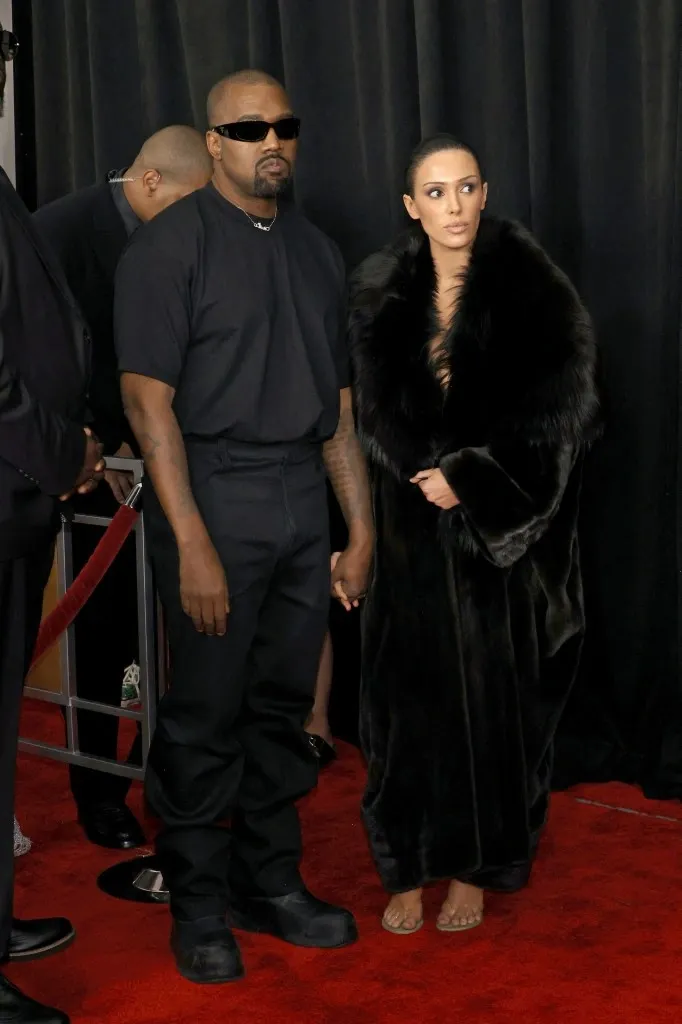
She described the Grammy appearance as the unexpected climax of a multiyear “nudity project.” According to Censori, the transparent material was discovered shortly before the event, and the dress was constructed directly onto her body.
That explanation reframed the image. In her account, she was not merely the subject of Ye’s concept. She was one of its creators.
Censori later developed those ideas further through “BIO POP,” a performance staged in Seoul. The work featured a version of Censori preparing a cake while body doubles resembling her were arranged as pieces of human furniture. The disturbing imagery explored what happens when a person becomes famous through association and is repeatedly photographed, copied, judged and consumed. Ye contributed the score but kept a relatively low profile during the event.
The performance offered a more complicated portrait than the paparazzi photographs had allowed. Censori appeared to be examining the same machinery that had turned her into a spectacle—and using that machinery deliberately.
She also rejected the idea that remaining silent proved she lacked agency. Public demands that she speak, she argued, could become another attempt to control her. She had not married Ye to obtain a platform, she said, but because she loved him.
That loyalty has been repeatedly tested in public.
In early 2025, reports claimed the couple was preparing to separate following Ye’s latest offensive statements. Ye then previewed a song titled “Bianca,” in which he indicated that she had left and was distressed by his online behavior. By the following year, however, they were clearly together again.
During 2026, they were seen on date nights in Los Angeles, smiling together in Amsterdam and traveling through Europe. Censori accompanied Ye during his concert schedule, while their affectionate appearances continued into the summer.
Ye, meanwhile, attempted another public reset.
On January 26, 2026, he purchased a full-page advertisement in *The Wall Street Journal* to apologize for his antisemitic behavior. He attributed some of his actions to bipolar disorder and what he described as a prolonged manic episode, saying he had lost touch with reality and expressing regret toward Jewish and Black communities.
The apology could not erase the damage or resolve every concern about the marriage. Nor does Censori’s defense of her choices require the public to celebrate those choices.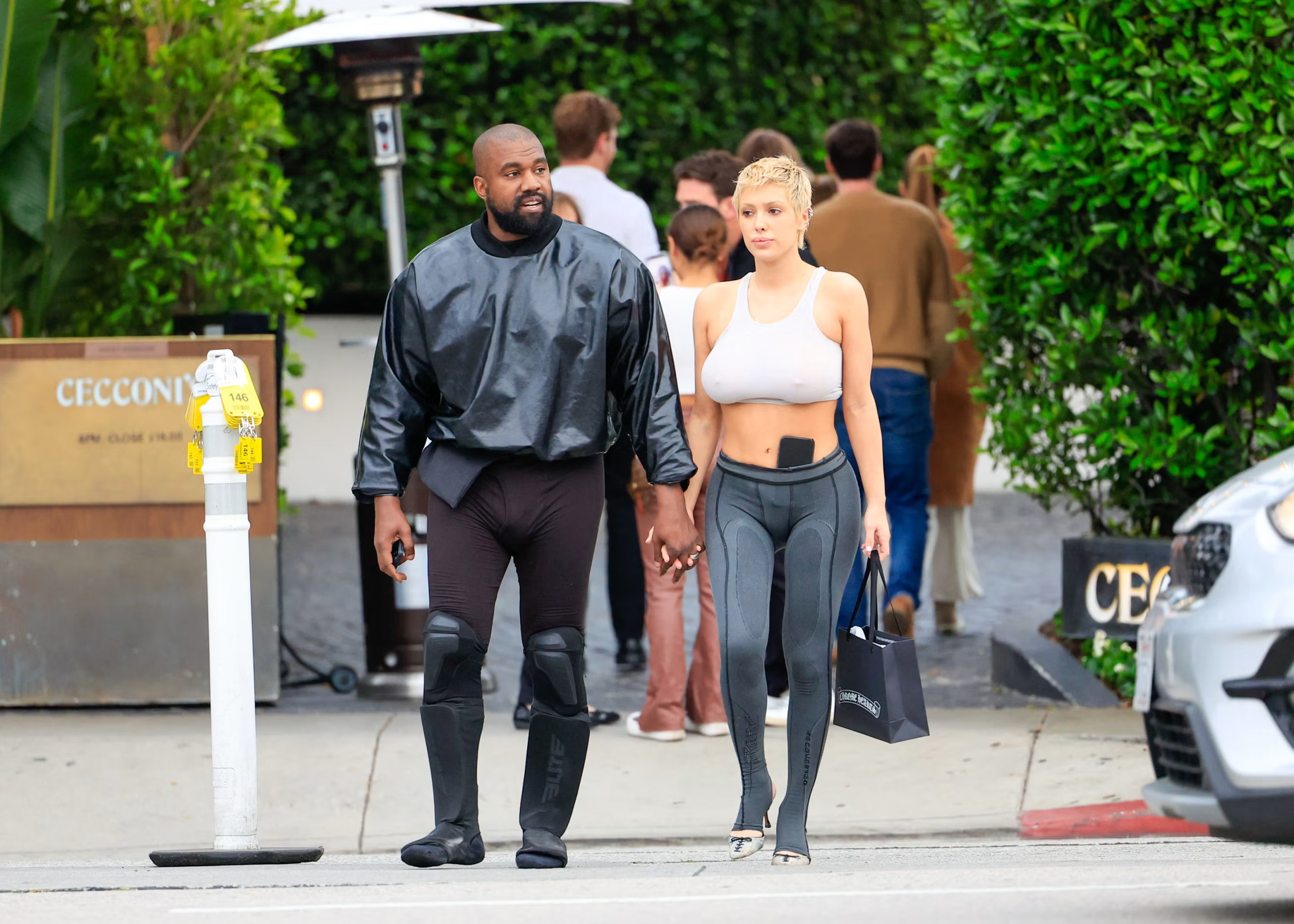
It does, however, complicate the story.
For years, she was discussed as though silence had made her unknowable—and therefore available for anyone else’s interpretation. Now she has offered one of her own: the clothes are intentional, the nudity is artistic, the marriage is based on love, and the images are created through collaboration.
Whether audiences accept that explanation is another matter.
The fascination surrounding Kanye West and Bianca Censori comes from the way their relationship collapses the boundaries between private love, performance art, commercial publicity and genuine crisis. Even their attempts to explain themselves become new material for the spectacle.
Censori may never persuade everyone that she controls the image. But after years of being treated as Ye’s silent canvas, she has made her position unmistakable.
She considers herself one of its authors.