Janis Joplin’s Final Hope: The Young Fiancé and Quiet Future She Never Reached
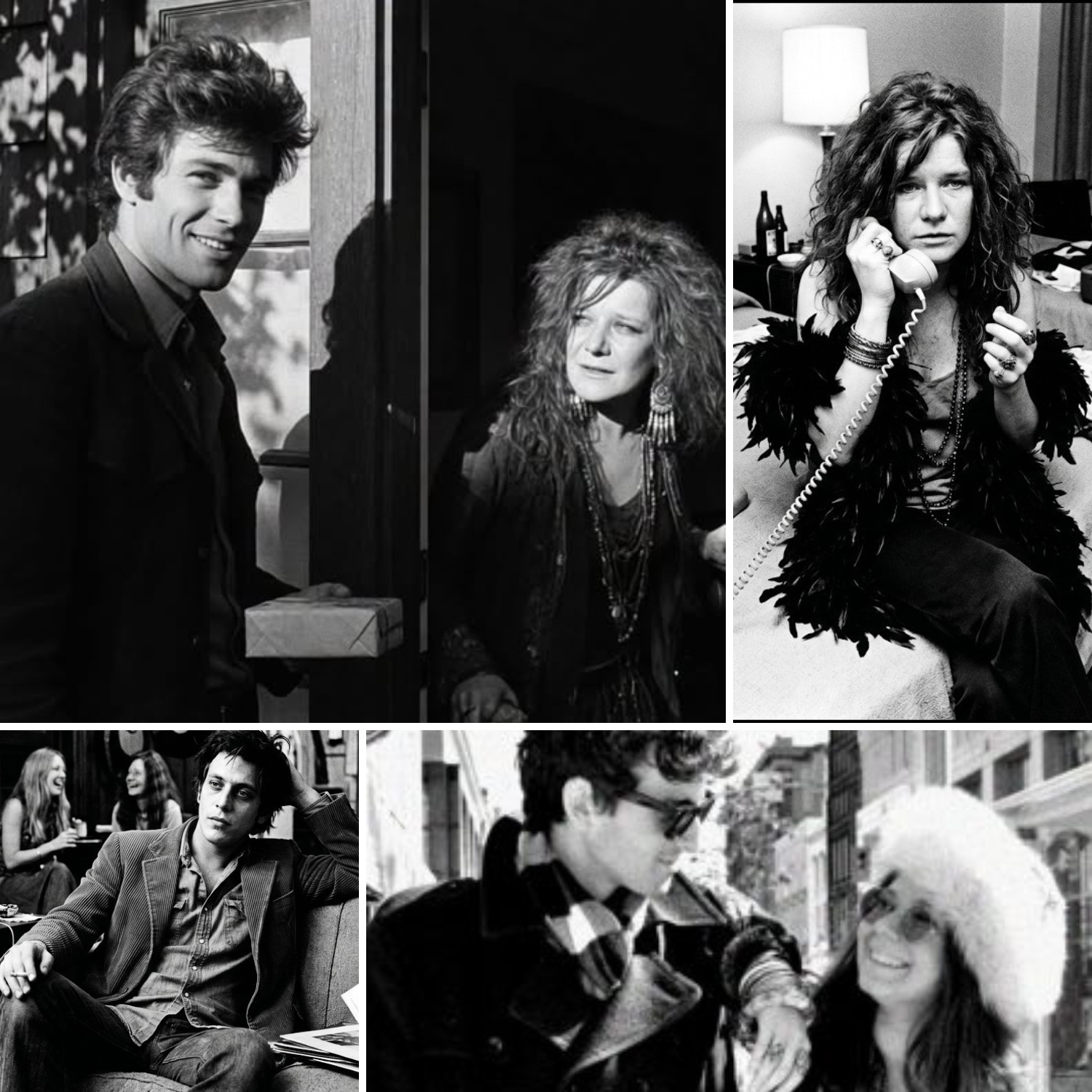
In September 1970, Janis Joplin briefly turned her attention away from recording studios, concert stages and the pressures of fame. She contacted City Hall to ask about obtaining a marriage license.
It was an unexpectedly ordinary step for a woman whose public life had been anything but ordinary.
Joplin had become one of the defining voices of her generation, celebrated for performances that seemed to expose every wound and desire she carried. Yet behind the fearless image was a 27-year-old woman imagining a home, a family and a life that did not require her to perform for anyone.
The man she hoped to marry was Seth Morgan, a 21-year-old former college student from a wealthy and literary family. Their relationship began during the summer of 1970, only months before Joplin’s death on October 4.
For a brief period, Morgan appeared to represent something she had rarely found: the possibility of being loved as Janis, not simply admired as Janis Joplin.
A Young Man From a Different World
Born on April 4, 1949, Morgan came from an environment far removed from the clubs, recording sessions and exhausting tours that shaped Joplin’s daily life.
His father, George Frederick Morgan, was a poet and an heir to a family fortune associated with the soap industry. Seth grew up around literature, art and intellectual conversation. Writers and creative figures were not distant celebrities in his childhood world; they were part of the atmosphere surrounding his family.
That upbringing reportedly made him intelligent, socially confident and comfortable in unfamiliar settings. He could move through a room with the ease of someone who had rarely needed to question whether he belonged there.
Still, confidence did not mean certainty.
Morgan was trying to form an identity separate from his privileged background. He left the University of California, Berkeley, in 1970 and began making choices that pulled him farther from the life his family might have expected him to follow.
Joplin was facing a different version of the same struggle. She had escaped the limitations of her youth and achieved worldwide recognition, but she was still searching for a place where she felt accepted.
Their circumstances were dramatically different. Their restlessness was not.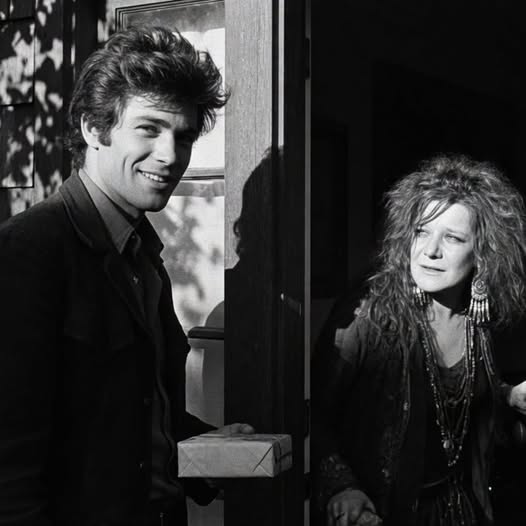
The Private Woman Beneath the Rock Star
By 1970, Joplin was more than a successful singer. Her voice, appearance and uninhibited stage presence had made her a cultural symbol.
Audiences saw someone fearless—a woman willing to scream, ache and celebrate in public without protecting herself from judgment. Her emotional openness became part of her power.
Fame, however, did not remove the loneliness beneath it.
Touring was demanding. Public attention followed her constantly. The pressure to remain the wild, unpredictable Janis Joplin could be thrilling, but it was also exhausting. People close to her understood that she sometimes wanted a future much quieter than the one her reputation suggested.
Her sister, Laura Joplin, later described Janis as someone who had begun thinking about slowing down, remaining at home more often and possibly raising a family.
To the public, domestic life might have seemed incompatible with the rebellious star they knew. To Janis, it offered the stability she had spent years seeking.
Morgan was not a musician or an industry insider. He did not appear to be pursuing her fame. His distance from that world may have made the relationship especially meaningful to her. Marriage was not merely a romantic milestone; it suggested an escape from the machinery that had turned her into an icon.
Her Music Was Entering a New Era
Joplin’s hopes for a different personal life emerged just as her creative confidence was reaching a new level.
During the sessions that produced Pearl, she worked with producer Paul Rothschild and the Full Tilt Boogie Band. The recordings revealed greater control and depth while preserving the emotional force that had made her famous.
Her road manager, John Byrne Cooke, later recalled her enthusiasm for working with Rothschild. The collaboration was helping her explore what her voice could accomplish inside a studio, rather than relying only on the raw intensity of live performance.
Professionally, she appeared to be moving forward.
Personally, she believed Morgan might be part of that future.
It was a painful combination of promise and fragility. She was creating some of her strongest music while imagining that she might finally have a stable relationship waiting beyond the studio. But the dream was already showing signs of strain.
The Distance Between Them
Although Joplin and Morgan discussed marriage, he appeared at the Pearl sessions only occasionally.
His absence carried emotional weight. Joplin was experiencing a major artistic breakthrough, surrounded by people who recognized the importance of what she was creating. Yet the person she expected to share her life was not consistently present.
The difference between them also extended beyond schedules.
Joplin wanted certainty. After years of instability, she wanted someone who would choose her without hesitation. Morgan was only 21 and still trying to understand the direction of his own life.
Their connection may have been genuine, but affection could not automatically erase their differences in age, maturity, expectations and lifestyle.
The future Joplin imagined—a marriage, children and peaceful evenings away from the spotlight—began to collide with the complicated reality of the relationship.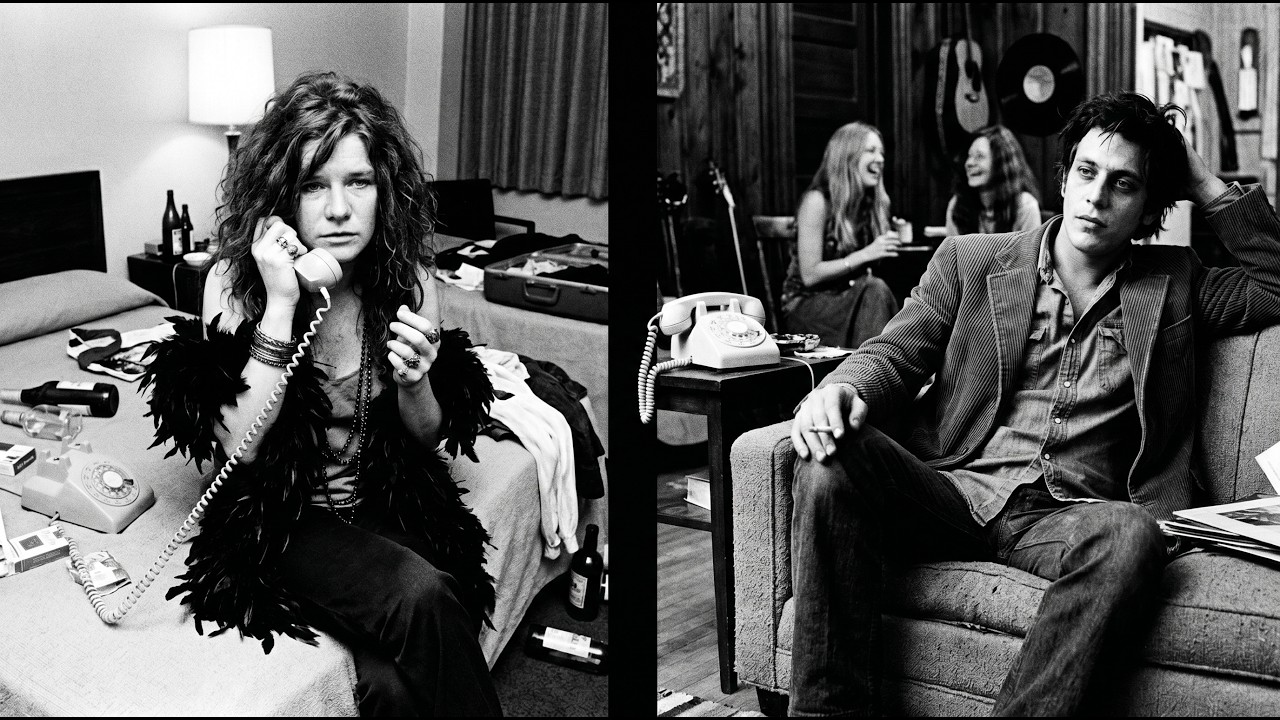
A Promise Broken in Her Final Hours
On October 3, 1970, Joplin reportedly learned that Morgan had been seen with other women at a party in Marin County.
For someone who had placed so much emotional hope in the relationship, the news was deeply painful.
That evening, she went to Barney’s Beanery with members of her band. She drank, talked and spent time among people familiar with the unpredictable rhythm of her life. Later, she returned to the Landmark Hotel, where she was staying while recording.
She expected Morgan to join her. Peggy Caserta, another important and complicated figure in her personal life, was also supposed to come.
Neither arrived.
The following day, Joplin was found dead at the hotel. She was 27 years old.
The marriage license was never obtained. The quiet home was never built. The family she had begun to imagine existed only as a possibility discussed during the final months of her life.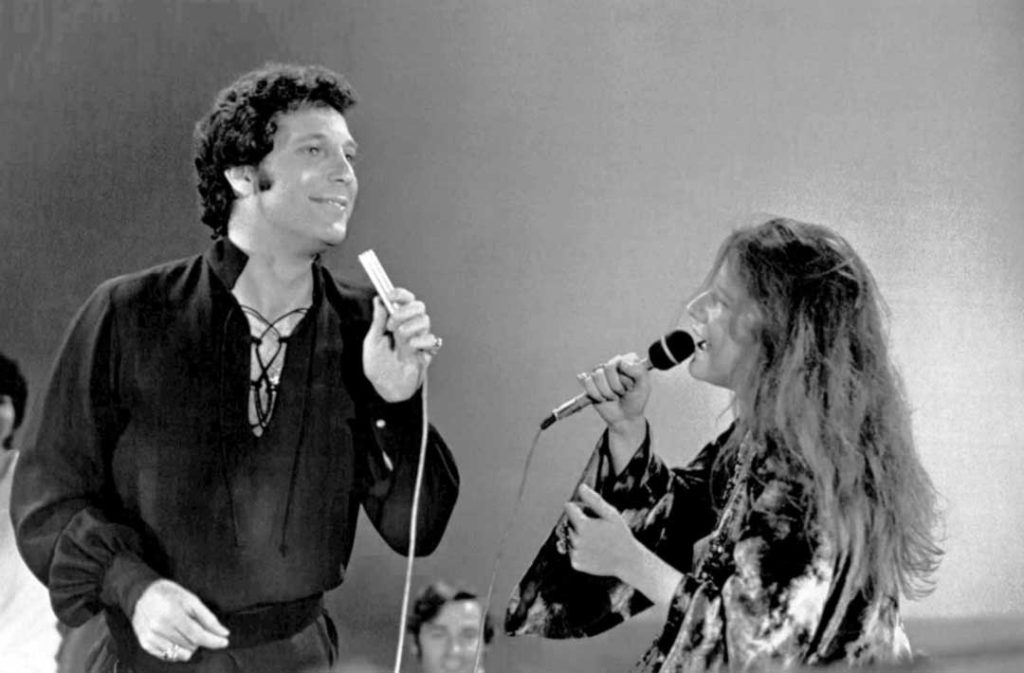
The Man Who Remained Behind
After Joplin’s death, Morgan did not transform his connection to her into a public career. He largely disappeared from the attention surrounding her legacy.
His life remained troubled and complicated, but he did not become widely known as a spokesperson for the woman he had planned to marry. While millions mourned a musical icon, Morgan was left with a more private loss: the memory of an unfinished relationship and a future that could never be tested.
That difference is often hidden when a famous person dies.
The public remembers performances, photographs and recordings. Those who knew the person behind the image are left with missed meetings, private conversations, disappointments and questions that no biography can fully answer.
Joplin’s relationship with Morgan has endured because it reveals a side of her that fame often obscured.
She was not only the electrifying performer whose voice could fill a room with longing. Near the end of her life, she was also a woman making ordinary plans and hoping that love might lead her somewhere quieter.
Pearl would become part of her lasting musical legacy. The life she hoped to begin after it remained forever unwritten.