He Still Reaches for Her Hand: An 85-Year-Old Husband’s Love After Alzheimer’s Erased Her Recognition
His wife no longer recognizes the man beside her.
She has not known who he is for years. The memories that once connected them—the life they built, the experiences they shared, the familiarity of his face—have faded from her mind.
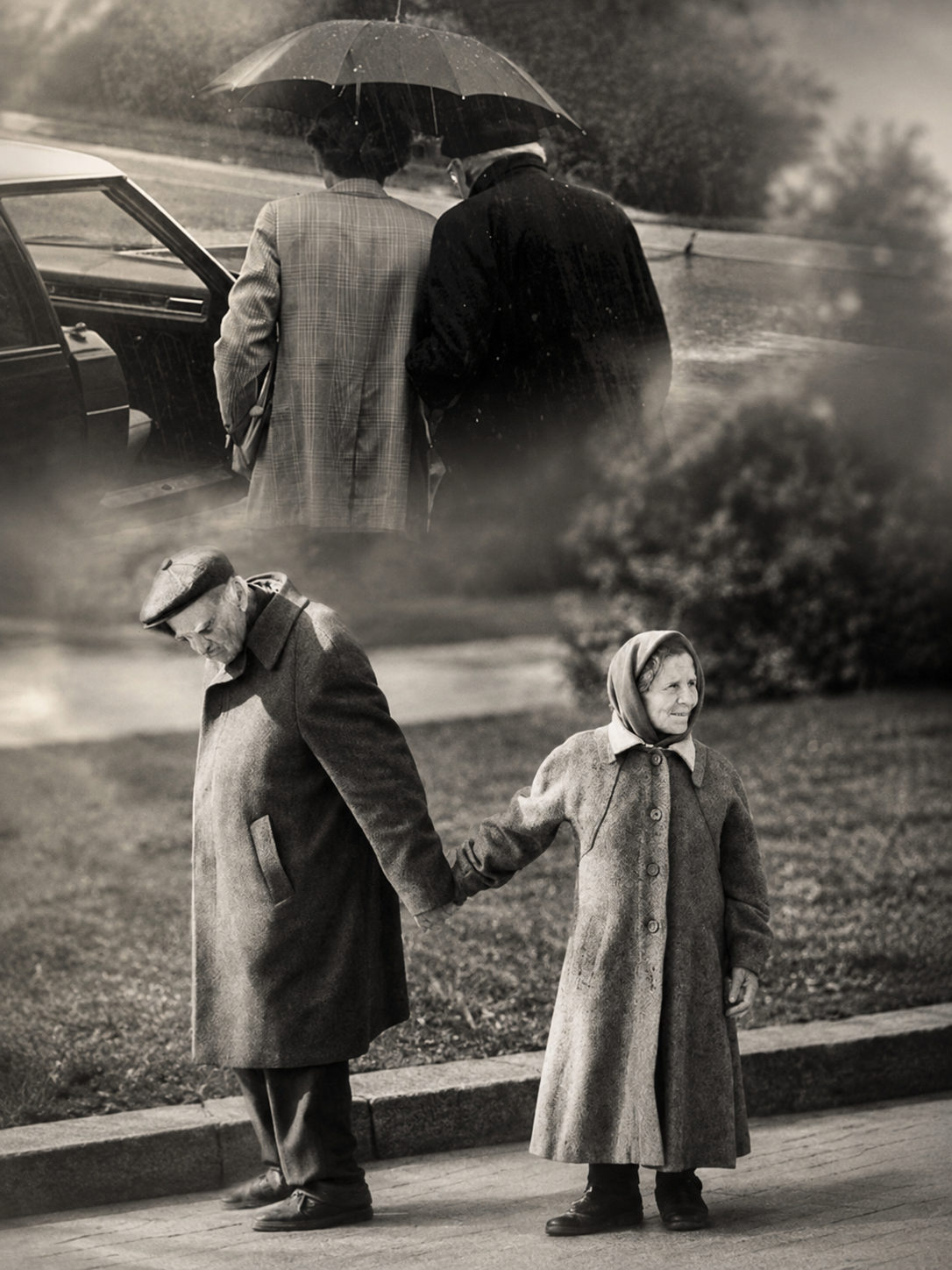
But at 85, her husband still reaches for her hand.
Whether the couple is walking through a garden, going into a store or simply sitting together, he keeps close to her, his hand wrapped around hers. To a stranger, the gesture might look like an ordinary habit shared by two people who have grown old together.
The truth behind it is far more painful—and far more powerful.
The Question That Revealed Their Story
Someone watching the couple noticed that the woman frequently seemed distant. Even while her husband stayed beside her, she would look away as though her attention belonged somewhere else.
Eventually, the observer asked why.
The husband explained that his wife has Alzheimer’s.
Then came another question: Would she become worried if he stopped holding her hand?
His answer revealed how dramatically their relationship had changed. She could no longer remember him. She had not recognized him as her husband for years.
And yet he remained beside her.
The most moving explanation came when he described why he continued caring for and guiding the woman who could no longer identify him.
“She may not know who I am, but I know who she is,” he said, describing her as the love of his life.
That simple distinction transforms the story.
His devotion no longer depends on being recognized. He is not waiting for her to remember his name before offering affection. He does not require gratitude or reassurance before taking her hand.
He remembers enough to keep choosing her.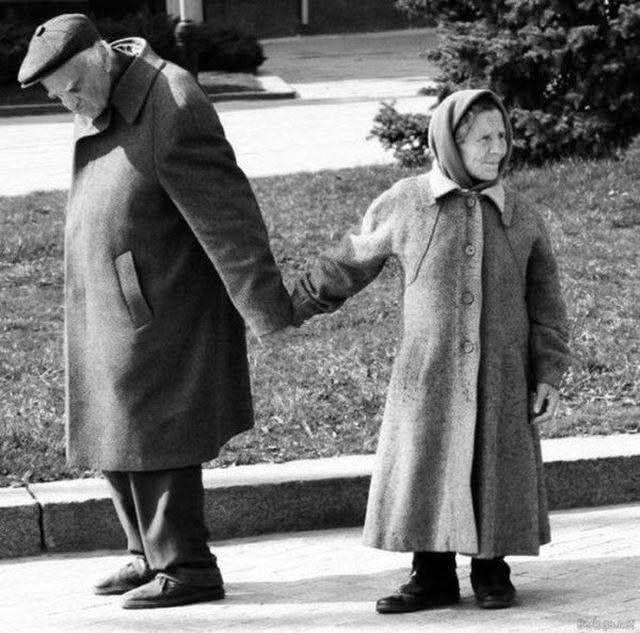
When One Person Carries the Memories
Much of a long marriage is built from shared memories.
There are beginnings only two people fully understand, private jokes that make little sense to anyone else, difficult periods survived together and ordinary days that become meaningful only after decades have passed.
For this couple, that shared archive has become painfully unequal.
The husband can still look at his wife and see more than the elderly woman standing in front of him. In his mind exists the person with whom he built a life. He knows the history behind the face she sees in the mirror, even when she can no longer connect his face to her own past.
That is what makes his daily gesture so meaningful.
Holding her hand is no longer simply an affectionate routine between two people remembering the same story.
It has become an act of remembrance performed by one person for both of them.
He cannot restore what has disappeared from her memory. He cannot make recognition return through determination alone.
What he can do is remain.
A Promise Tested by Change
Wedding promises can sound simple when they are spoken during happier, healthier years.
Their true weight often becomes visible much later.
The husband’s actions reflect the difficult side of commitment: staying emotionally present when the relationship no longer looks the way it once did.
His wife has changed. Her ability to recognize him has changed. Their conversations and daily experiences cannot carry the same shared awareness they once did.
But in his eyes, her value has not been diminished by what she can no longer remember.
That idea lies at the center of their story.
Human connection is often described through reciprocity. We give affection and receive it. We speak and expect to be understood. We remember someone and feel comforted when that person remembers us.
This husband is living through a relationship in which that balance has been profoundly altered.
Still, he continues giving.
Not because the past can be recreated, but because the person he loved throughout that past is still beside him.
The Loneliness Hidden Behind a Tender Gesture
From a distance, an elderly couple walking hand in hand can appear almost effortlessly romantic.
What strangers cannot see is everything that gesture may contain.
There is the sadness of standing beside someone who once knew your voice, your history and your place in their life, only to realize that recognition is gone.
There is the strange loneliness of being physically close to the person with whom you shared decades while carrying memories they can no longer revisit with you.
There are likely no dramatic speeches each time the husband reaches for his wife’s hand. The action itself is enough.
It says that companionship can survive even when circumstances become unrecognizable.
It says that caring for someone does not have to depend on what they can offer in return.
And most of all, it says that forgetting and being forgotten are not the same thing.
His wife may have lost access to their shared history.
He has not.
Love Expressed Through Showing Up
Some relationships are remembered through milestones: weddings, anniversaries, photographs, vacations and celebrations.
Others reveal their deepest meaning in quieter moments.
For this husband, love now appears in repetition.
Another walk.
Another day together.
Another hand reached for.
The gesture cannot return the memories Alzheimer’s has taken from his wife. It cannot make her suddenly understand the decades behind their connection.
But it can offer something in the present.
She may not know why this familiar man stays close. She may not understand the entire story behind his tenderness.
He does.
And that knowledge appears to be enough for him to continue.
Their story ultimately becomes less about whether memory can preserve love and more about whether love can endure when memory cannot.
For this 85-year-old husband, the answer is visible every time he reaches across the distance Alzheimer’s has created and takes his wife’s hand again.
She may no longer remember the life they shared.
But he remembers who she is.
And day after day, he is still there beside her.