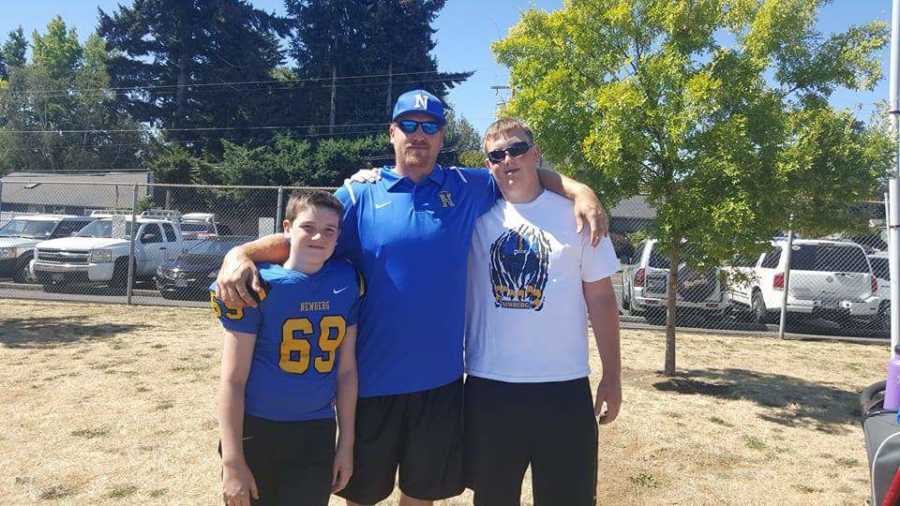
From More Than 40 Foster Placements to Fatherhood: How Blake Woody Built the Stable Family He Never Had
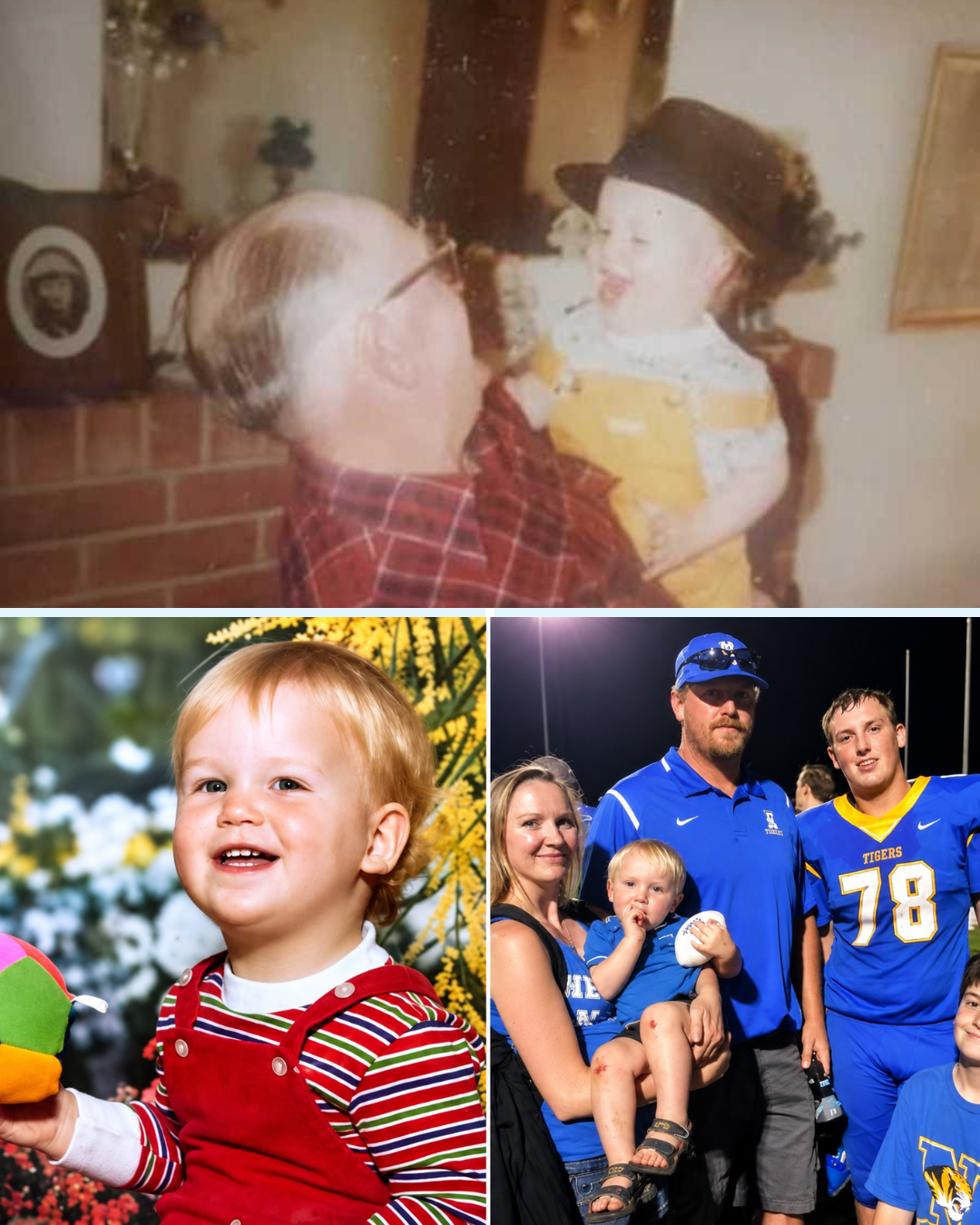
By the time Blake Woody became a father, he had already lived through a childhood defined by instability.
He had been removed from home, returned, removed again, shuffled through foster homes and group facilities, slept beneath an interstate overpass, struggled with drugs, and repeatedly found himself in trouble with the law.
For years, adults around him predicted where that road would lead.
Prison. Addiction. A broken family of his own.
Instead, the arrival of his first son forced Woody to confront a question that would shape everything that followed: Would his children inherit the chaos he had known, or would he build something entirely different?
For Woody, fatherhood became the turning point.
A Childhood Without a Lasting Home
Woody was born in Cottage Grove, Oregon. His mother left his biological father, whom Woody described as abusive and addicted to drugs, while Woody was still very young. She later married a man who became the father of Woody’s two younger sisters.
According to Woody, life with his stepfather was also deeply abusive.
The situation eventually became impossible to hide. While Woody was in first grade, a teacher noticed a distinctive bruise on his arm. Woody tried to explain it away, but shortly after he returned home that day, Child Protective Services arrived.
He was taken to a temporary foster home.
It would be the beginning of years of movement between family homes and state custody.
At one point, after his family moved to Nebraska, the abuse intensified. Woody recalled being deprived of food as punishment. At age 7, after another incident involving food, he tried to harm himself and spent 44 days hospitalized, including Thanksgiving and Christmas.
Eventually, officials planned for him to remain at Boys Town in Omaha while his parents and three sisters moved to California.
Woody feared he would be left behind.
Then his grandfather arrived.
Living in Sacramento, Woody’s grandfather traveled to Nebraska and arranged to take custody of him. Back in California, Woody found something he had rarely experienced: relatives who made him feel protected.
His great-grandparents became especially important. Their house was a place where he could eat, feel safe and experience the kind of family life he had largely been missing.
More Moves, More Anger
The stability did not last.
Woody struggled behaviorally and was frequently suspended from school. His grandfather worked long railroad shifts and could not supervise him constantly. Eventually, California officials allowed Woody to return to his mother and stepfather.
Woody said the abuse resumed.
By age 9, he was again placed in state custody—this time permanently. Over the following six years, he cycled through foster homes and later group homes as placements for an older boy became increasingly difficult to find.
At 13, Woody was sent to the Sacramento Children’s Home. He described an environment where fights were common and where he gradually became harder and more violent.
Then another loss arrived.
While waiting for a visit from his mother, Woody learned from a social worker that his family had moved back to Oregon.
He eventually followed them. His mother had divorced his stepfather and was working toward sobriety, but their relationship remained unstable. Woody returned to Oregon state custody before eventually simply walking away from the system.
His teenage years became a cycle of couches, relatives and temporary places across Oregon, Washington, California and Illinois.
Eventually, he was sleeping beneath the I-5 overpass in Medford, Oregon.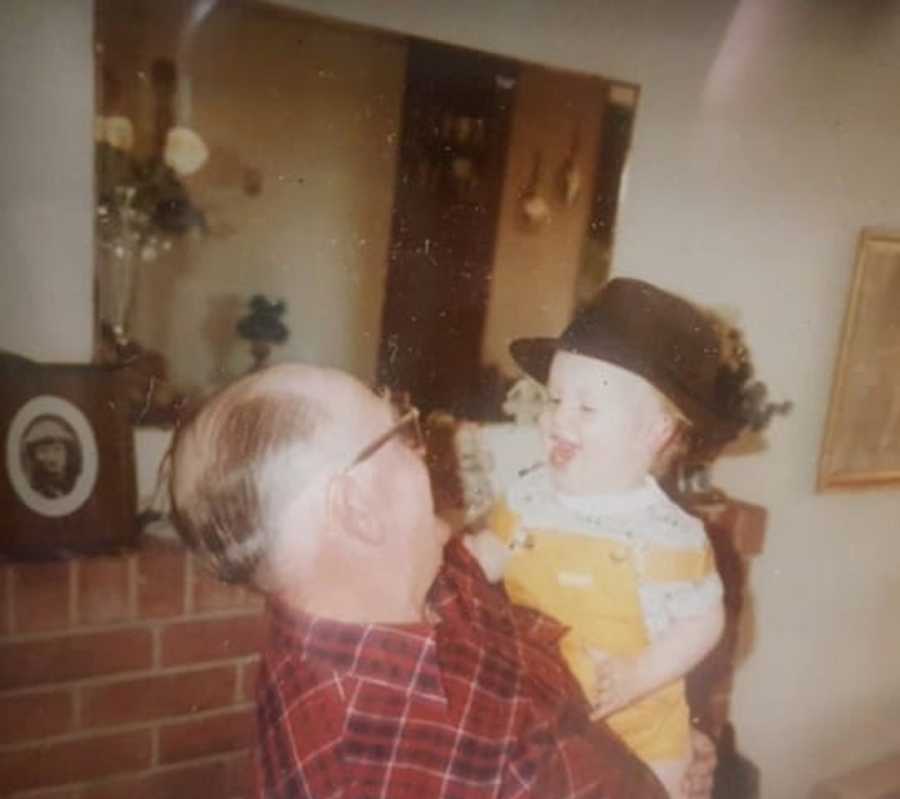
At 16, Drugs Became Part of the Story
Woody found three jobs by claiming to be older than he really was. He also found a room by pretending to be a recovering alcoholic.
But when the jobs disappeared and he could no longer afford rent, he contacted the biological father he had barely known.
His father had recently been released from prison.
At 16, with few alternatives, Woody moved in with him in Goshen, Oregon. They initially worked together at a truck tire shop.
Then his father returned to drugs.
Woody said his father eventually offered him methamphetamine and injected the drug into his arm. Woody used meth with him several more times before asking his mother to let him return.
Back in Medford, his life continued moving in a dangerous direction. He became involved with drugs and crime and faced serious criminal charges.
A judge eventually gave him an alternative: Job Corps.
There, Woody earned his GED and completed three trades, although his drug use continued. At 19, facing trouble again, he received another chance because he had plans to join the Navy.
He entered boot camp but was medically discharged after testing positive for asthma.
Afterward, Woody moved to Idaho, where drugs and alcohol again became a major part of his life.
That was where he met Tina, the woman who would later become his wife.
One Pregnancy Changed the Direction of His Life
Woody and Tina eventually moved to Medford.
Within weeks, they learned she was pregnant.
For Woody, the news changed everything.
When his first son, Elijah, was born, Woody realized that his own childhood could not become the blueprint for his son’s life. He wanted Elijah to have stability, opportunity and a dependable parent.
Woody stopped using drugs.
He found steady employment.
And for perhaps the first time, instead of simply surviving whatever happened next, he began deliberately building a future.
In August 2004, his second son, Izaiah, was born.
Woody had spent much of his youth hearing predictions that he would never be capable of raising a healthy family. Yet as his sons grew, ordinary fatherhood became his quiet answer to those predictions.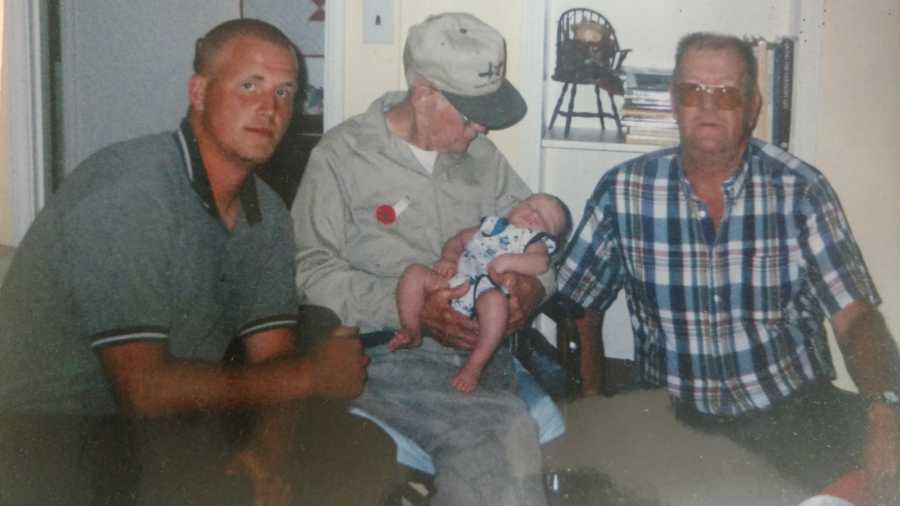
Then His Sons Experienced a Pain He Knew Too Well
In 2010, after roughly 10 years together, Woody said Tina told him she had met another man and was leaving.
She also left the boys.
Watching his sons, then approximately 5 and 8, experience a parent walking away was devastating for Woody because abandonment was something he understood intimately.
For the next two to three years, it was primarily Woody and his sons.
One lesson from his own unstable youth helped him find direction.
Throughout the many schools he attended—Woody said he attended 12 different high schools during his freshman year alone—coaches had often been among the first adults to make him feel welcome.
He decided to provide that same sense of belonging for other children.
Woody began volunteering in youth football and later coached his sons’ teams. By the time he shared his story, he had spent 14 years coaching youth sports and continued even after his own children had moved beyond those programs.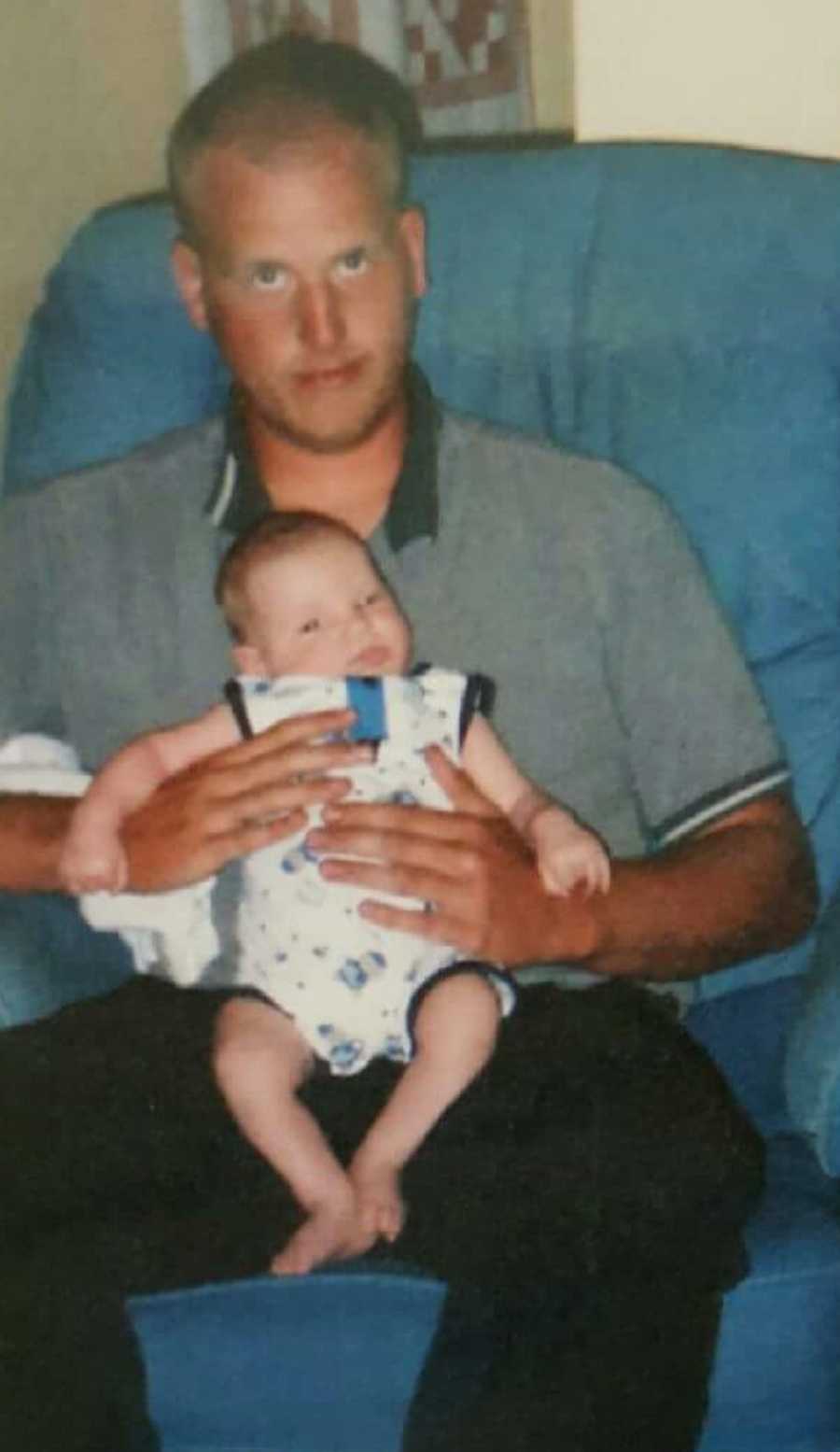
Giving His Sons the Roots He Never Had
Woody made another promise to himself: once his children began school, they would not be constantly uprooted.
They stayed in the same community and built lasting relationships.
Elijah, who struggled with bullying when he was younger, eventually grew into a confident high school athlete. By his senior year at Newberg High School, he had received scholarship offers and was on track to become the first male in his family to attend college.
But Woody’s pride extended beyond academics and sports.
Elijah spent years raising money for families in need. After varsity sporting events, he would return to the stands and clean the facilities—sometimes working until midnight—then use the money he earned to help families during the holidays.
He also collected school supplies for students who could not afford them.
Izaiah joined his brother in looking for opportunities to help others.
For their father, those acts carried enormous meaning.
Woody had once moved through more than 40 foster homes, boys’ homes, group facilities and juvenile institutions. He had spent his childhood being told that his future had already been decided for him.
His adult life was not without difficulty. He acknowledged living paycheck to paycheck and dealing with financial consequences from decisions he made while surviving on the streets.
But by then, the measure of success had changed.
He had a career. He had become a longtime community coach. Most importantly, he had become the father of three boys.
The childhood Woody endured could not be rewritten.
What he could change was what came after it.
And in the stable home, community roots and sense of service he gave his sons, Woody created the very things he had spent so many years searching for himself.