Connecticut Woman Mauled by Chimpanzee Shares Her First Memories After Waking Up in the Hospital
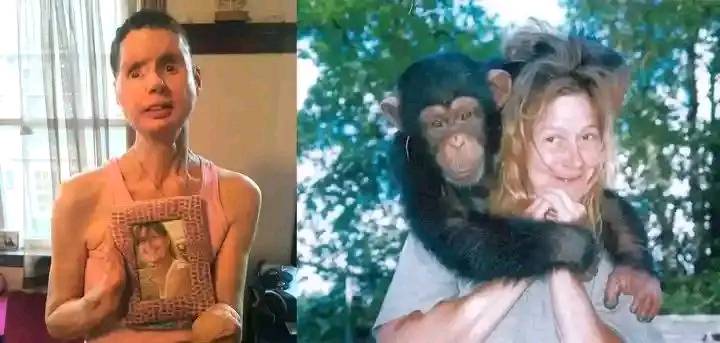
Charla Nash — the Connecticut woman who survived one of the most shocking animal attacks in U.S. history — has spoken publicly in a newly released video, describing what it was like to wake up in the hospital after being mauled by a friend’s 200-pound chimpanzee in 2009.
In the video, shared with Connecticut state lawmakers, Nash recalls her confusion in the first moments after regaining consciousness. Still unaware she had permanently lost her sight, she asked her brother, Mike, to turn on the lights in the room.
“He said the lights are on,” Nash explains. “Little by little, it started to come together.”
The interview captures the emotional weight of her realization. Nash remembers trying to scratch her leg but feeling nothing — a moment when she began understanding the extent of her physical trauma.
“It’s a different world to not be able to see again,” she says. “Or to use your hands and do things for yourself. You have to depend on other people now.”
A Life-Changing Attack
Nash was attacked while attempting to help guide Travis — her friend’s 14-year-old chimpanzee — back into the house. Travis, who had appeared in several national commercials, suddenly turned violent. He charged at Nash, inflicting devastating injuries.
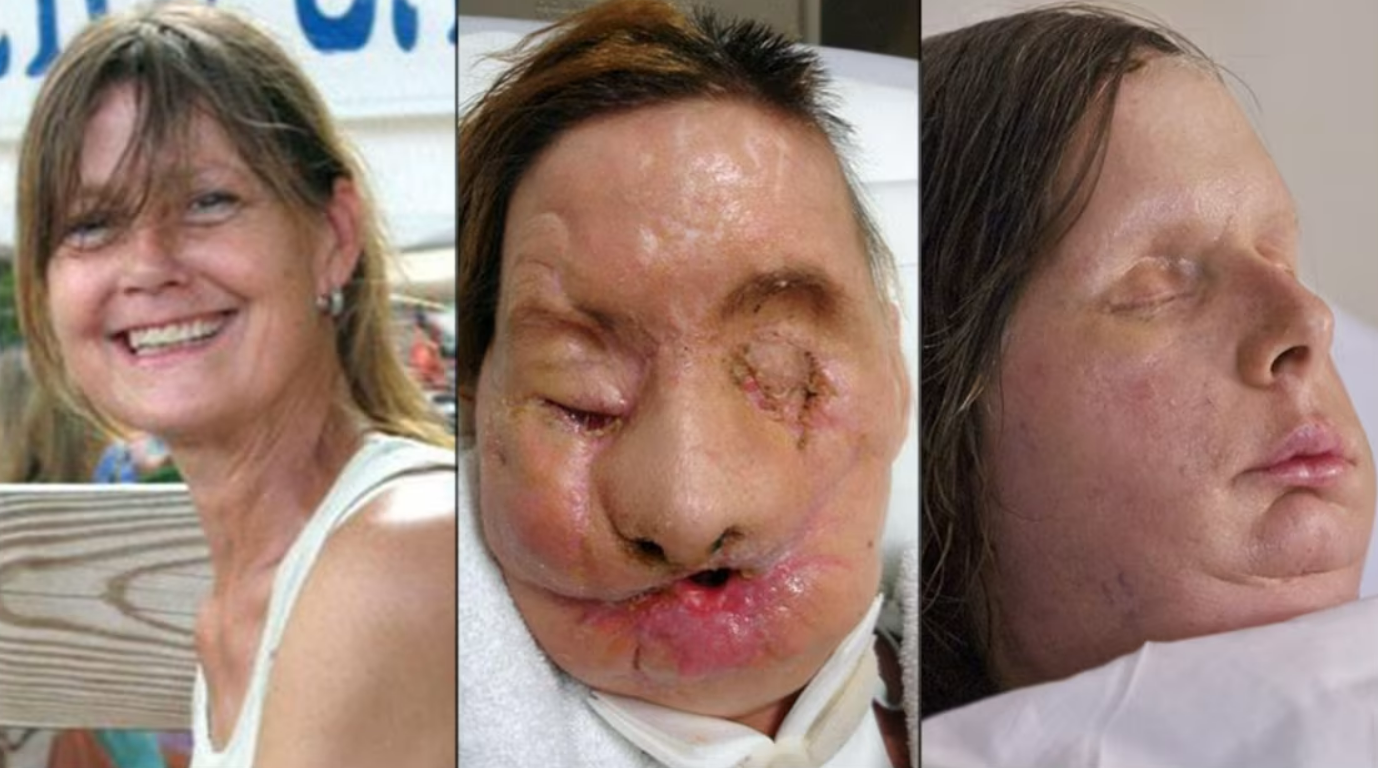
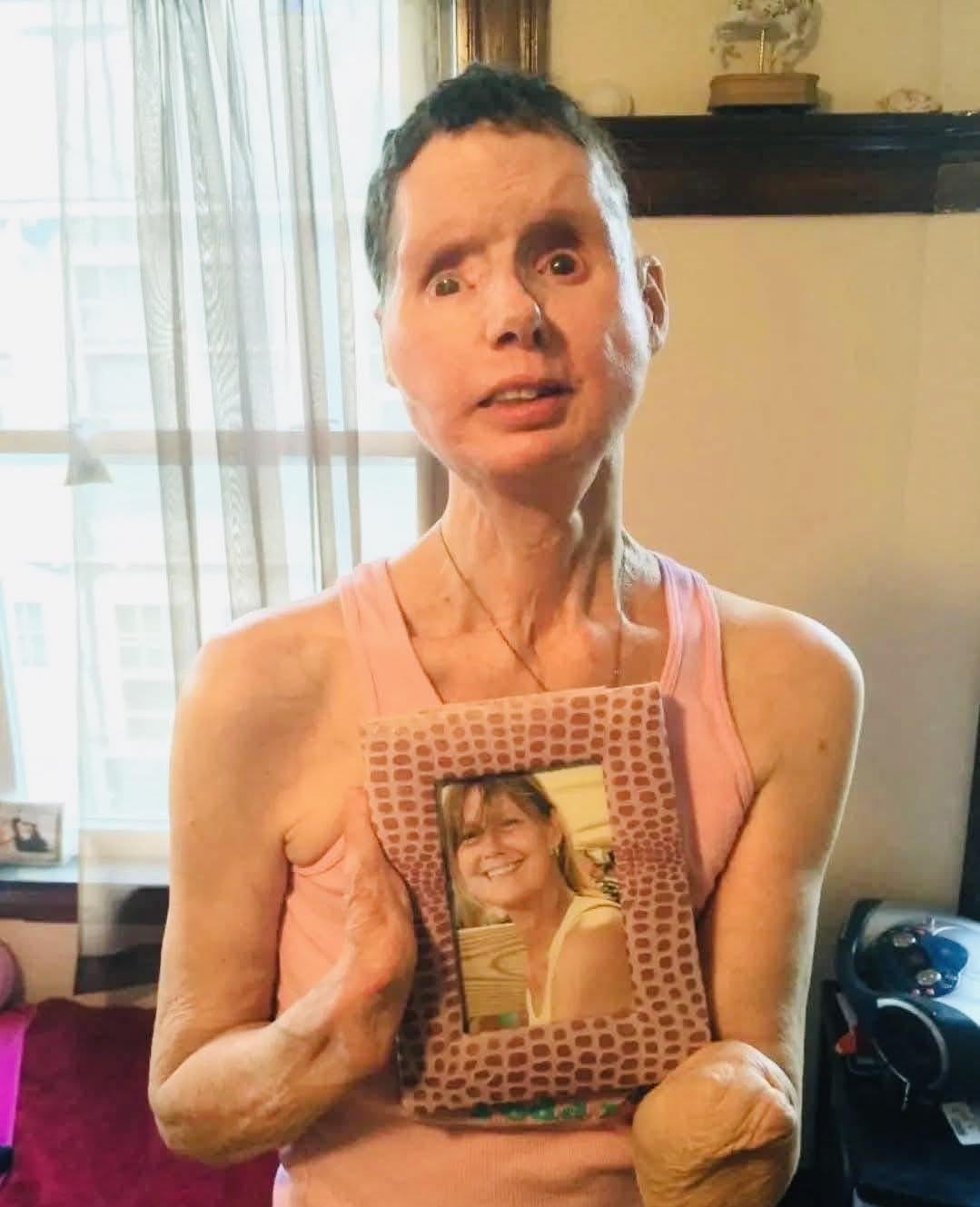
Police ultimately shot the chimpanzee to stop the assault, but the attack left Nash without hands, a nose, lips, or eyelids.

Over the past five years, she has undergone multiple surgeries, including a complex face transplant. Doctors also attempted a hand transplant during the same procedure, but it was unsuccessful. She hopes future medical procedures will help her regain more independence.
“I want to be able to do more on my own,” Nash says.
Seeking Accountability From the State
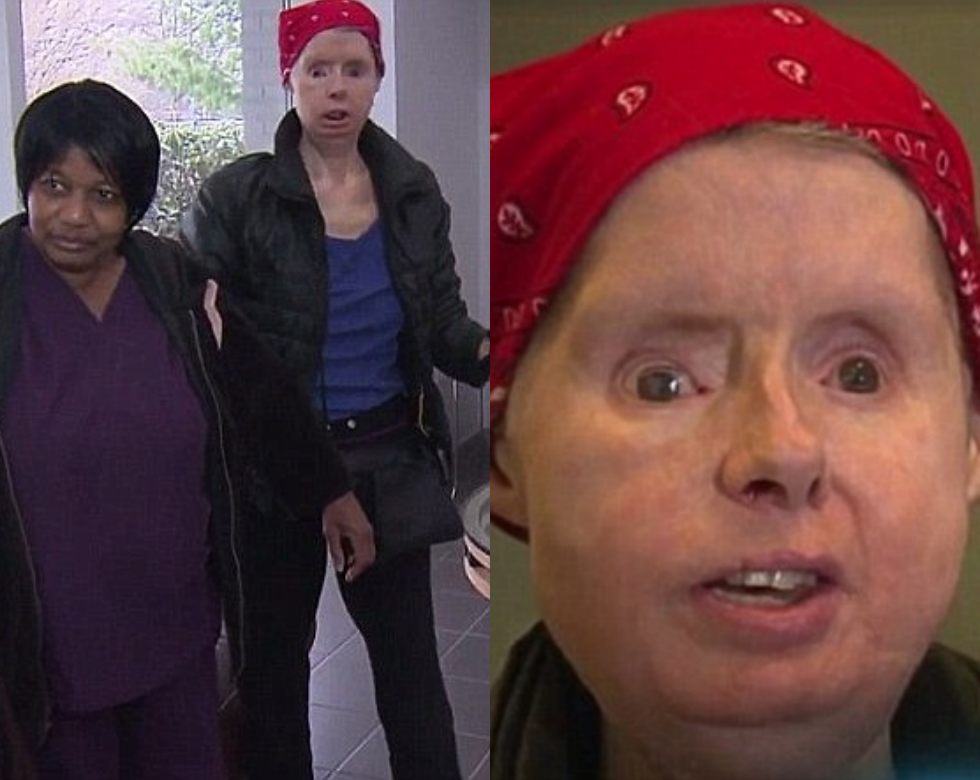
Nash is now appealing to Connecticut lawmakers for permission to sue the state for $150 million — arguing her injuries could have been prevented. The video is part of her legal team’s presentation to the State Judiciary Committee.
Her representatives say state officials ignored a warning from biologist Elaine Hinsch, who wrote in October 2008 that Travis was “an accident waiting to happen.” According to spokesperson Shelly Sindland, the state knew the animal posed a serious risk but failed to take action.
The Connecticut Attorney General’s Office, however, disputes responsibility.
A spokesperson stated that the state had no legal obligation to protect Nash from a privately owned chimp on private property, adding that allowing such a lawsuit would create a precedent exposing taxpayers to limitless claims.
In June, the Office of the Claims Commissioner denied Nash’s request to sue. Friday’s appeal represents her final attempt to move forward. Even if approved by the Judiciary Committee, the request must still pass votes in both the Connecticut House and Senate.
“I’m hoping the legislation will allow me to have my day in court,” Nash said.
Broader Implications: Exotic Pets and Public Safety
Nash’s case reignited national debate about exotic animal ownership. Advocacy groups argue that primates are unpredictable and inherently dangerous, no matter how long they have lived with humans.
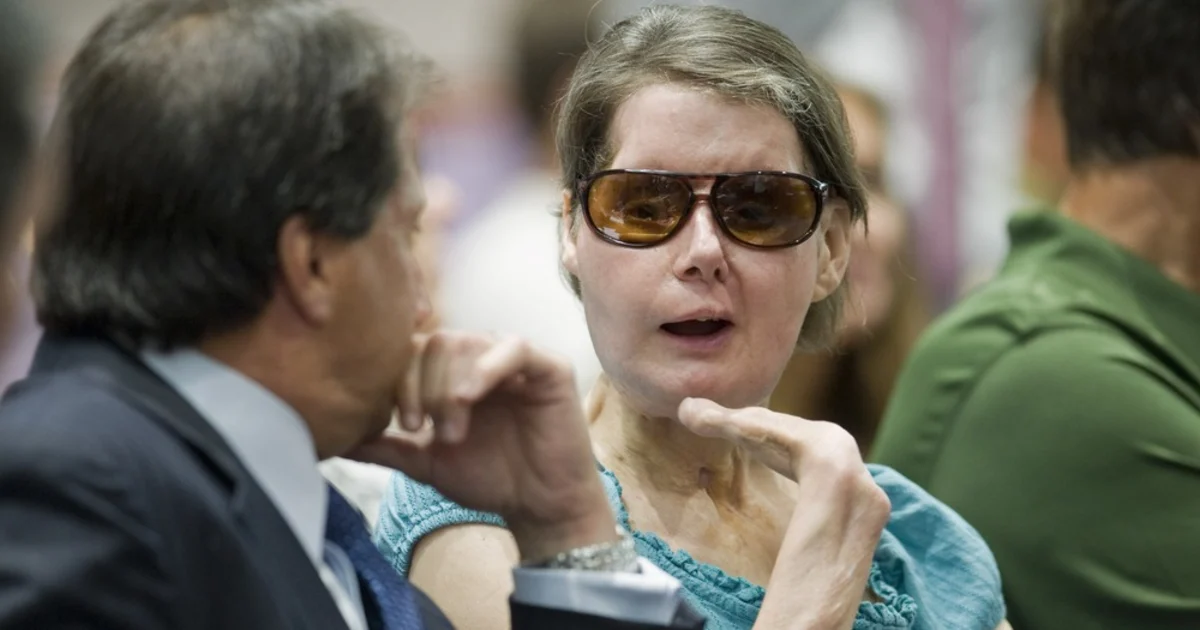
Her attack led to increased scrutiny of exotic-pet regulations across several states, prompting calls for stricter laws and bans on private ownership of large primates.
Animal behavior experts emphasize that even well-trained chimpanzees maintain strong natural instincts and physical strength far beyond what humans can control. Travis, weighing around 200 pounds, was capable of inflicting life-threatening injury within seconds — a reality that underscores the ongoing risk of human-primate interaction.
Continuing Her Fight
Today, Nash lives in a medical facility where she receives daily assistance. Despite her challenges, she remains determined to continue her rehabilitation and pursue her legal battle.
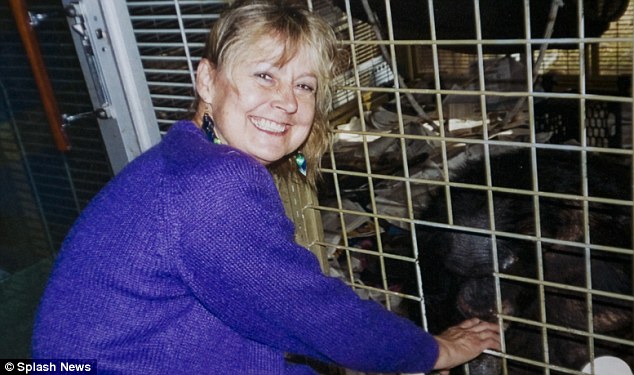
Her story continues to resonate as a reminder of both personal resilience and the larger societal questions it raises — about public safety, government responsibility, and the risks of keeping exotic animals as pets.