Understanding Limb Differences from Birth: Awareness, Care, and Empowerment for Children with Phocomelia
Understanding Limb Differences from Birth: Awareness, Care, and Empowerment for Children with Phocomelia
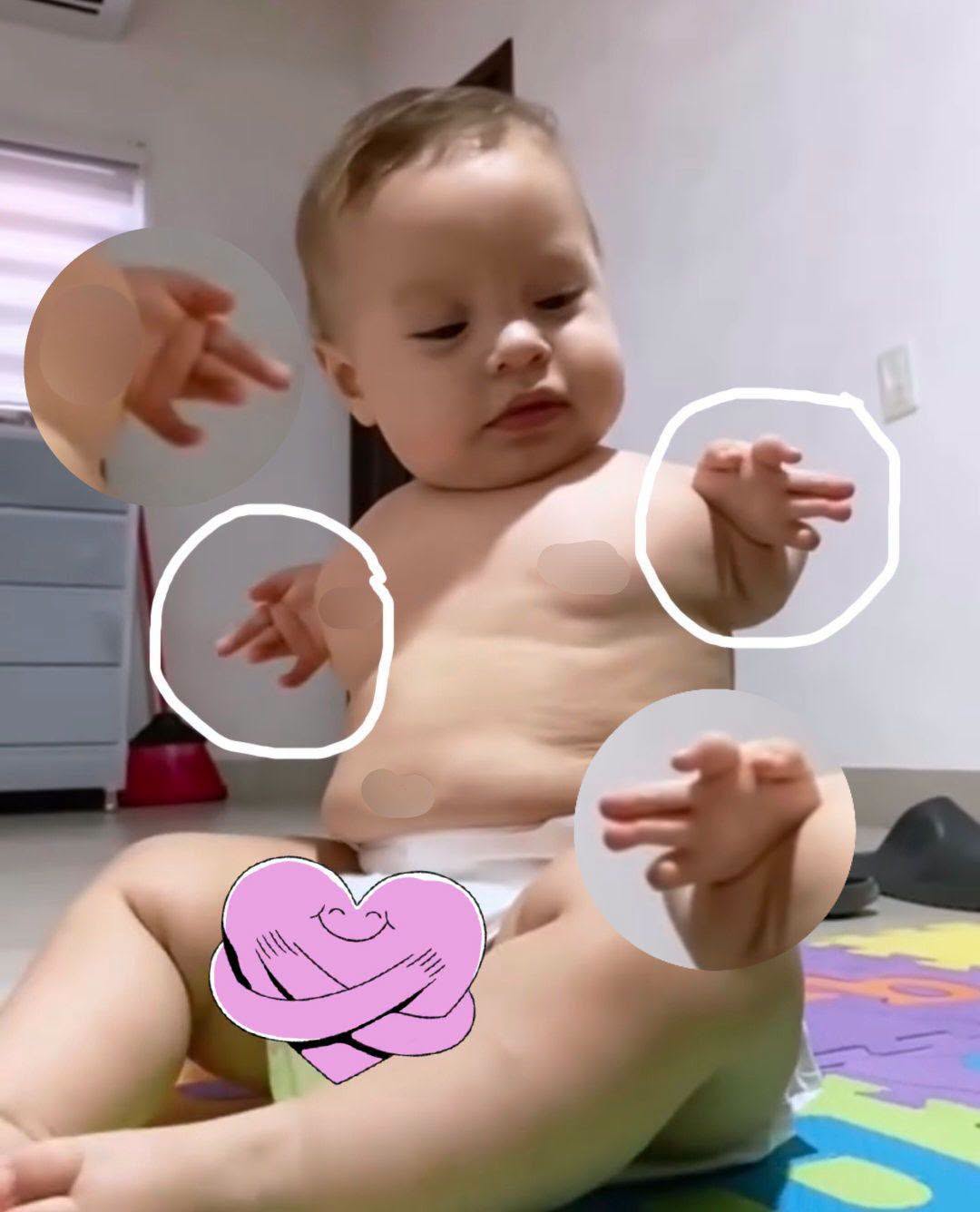
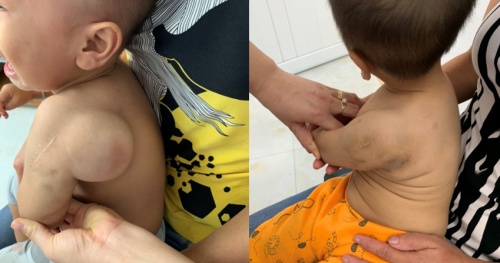
Limb differences present from birth are rare medical conditions where a baby’s arms, legs, fingers, or toes do not fully form or develop as expected during pregnancy. Among these variations is phocomelia, an exceptionally rare congenital condition characterized by severe underdevelopment of the limbs. In many cases, the long bones of the arms or legs are either significantly shortened or entirely absent, causing the hands or feet to be attached much closer to the trunk of the body. While the physical presentation varies dramatically from one child to another, accurate diagnosis and assessment rely entirely on comprehensive medical evaluations by specialized healthcare professionals.
Navigating a diagnosis of phocomelia requires a holistic, compassionate approach centered on early intervention. Modern rehabilitation practices, physical therapy, occupational therapy, and adaptive technology play crucial roles in helping affected children gain mobility, adapt to daily tasks, and build personal independence. Equally important is the emotional support provided by family members, caregivers, and community networks, which fosters confidence and self-worth as these children grow and explore their abilities.
Raising public awareness about congenital limb differences helps break down harmful stereotypes, reduce societal stigma, and build inclusive environments where every individual is treated with dignity. By choosing compassion, education, and acceptance over judgment, communities can ensure that children born with limb differences receive the opportunities, care, and respect they deserve to thrive and achieve their full potential.