Psychiatrist Questioned About Remote Appointments During Lindsay Clancy Trial

Psychiatrist Questioned About Remote Appointments During Lindsay Clancy Trial
A psychiatrist faced pointed questions about remote appointments during the ongoing Lindsay Clancy murder trial, as defense attorneys examined the methods used to evaluate Clancy’s mental health.
The questioning focused on psychiatric assessments conducted remotely and whether virtual appointments provided enough information to accurately understand Clancy’s condition during a critical period in her life.
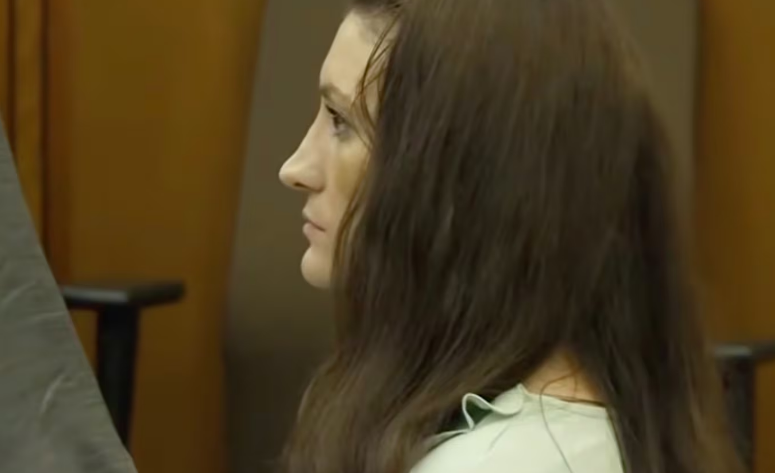
Clancy is accused of killing her three children in January 2023 and has pleaded not guilty by reason of insanity. Her mental health at the time of the deaths is one of the most important issues being debated in court.
Defense attorneys questioned the psychiatrist’s experience and the limitations of conducting evaluations through video rather than in person. They pressed the witness on whether remote sessions could make it more difficult to observe subtle behavioral changes, emotional responses, or other clinical indicators.
The defense has argued that Clancy experienced severe mental illness and that her psychiatric condition significantly affected her ability to understand or control her actions. The prosecution has presented a different interpretation of her mental state and the evidence surrounding the tragedy.
The psychiatrist’s testimony is part of a broader battle over expert opinions in the case. Jurors have heard from medical professionals and other witnesses as attorneys attempt to establish what Clancy was experiencing before and around the time of the children’s deaths.
Questions about the reliability of remote psychiatric evaluations could become particularly important as jurors consider competing assessments of Clancy’s condition.
The courtroom testimony has also been emotionally difficult, with witnesses discussing the children and the family’s experiences before the tragedy.
As the trial continues, additional experts and witnesses are expected to testify. Jurors will ultimately have to weigh the medical evidence, expert opinions, and other testimony before determining whether the legal standard for an insanity defense has been met.
The case remains ongoing, and no final verdict has been reached.
Source: NBC Boston